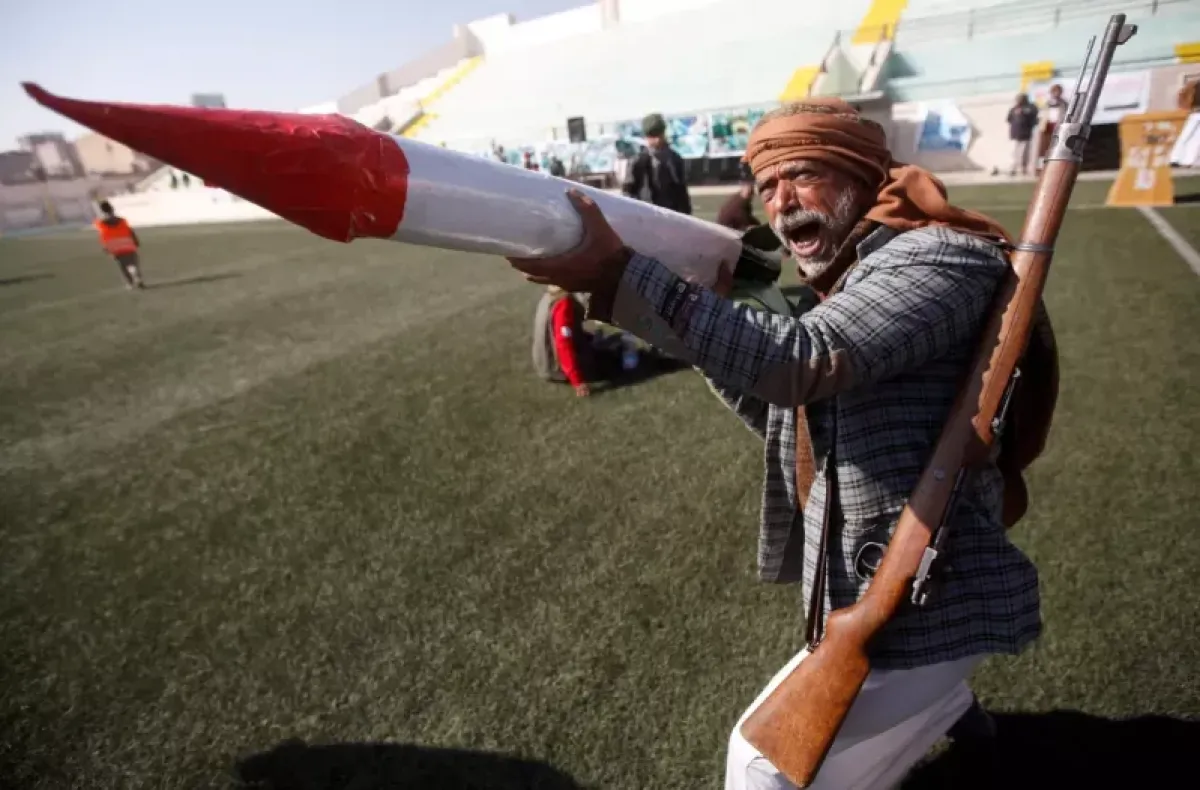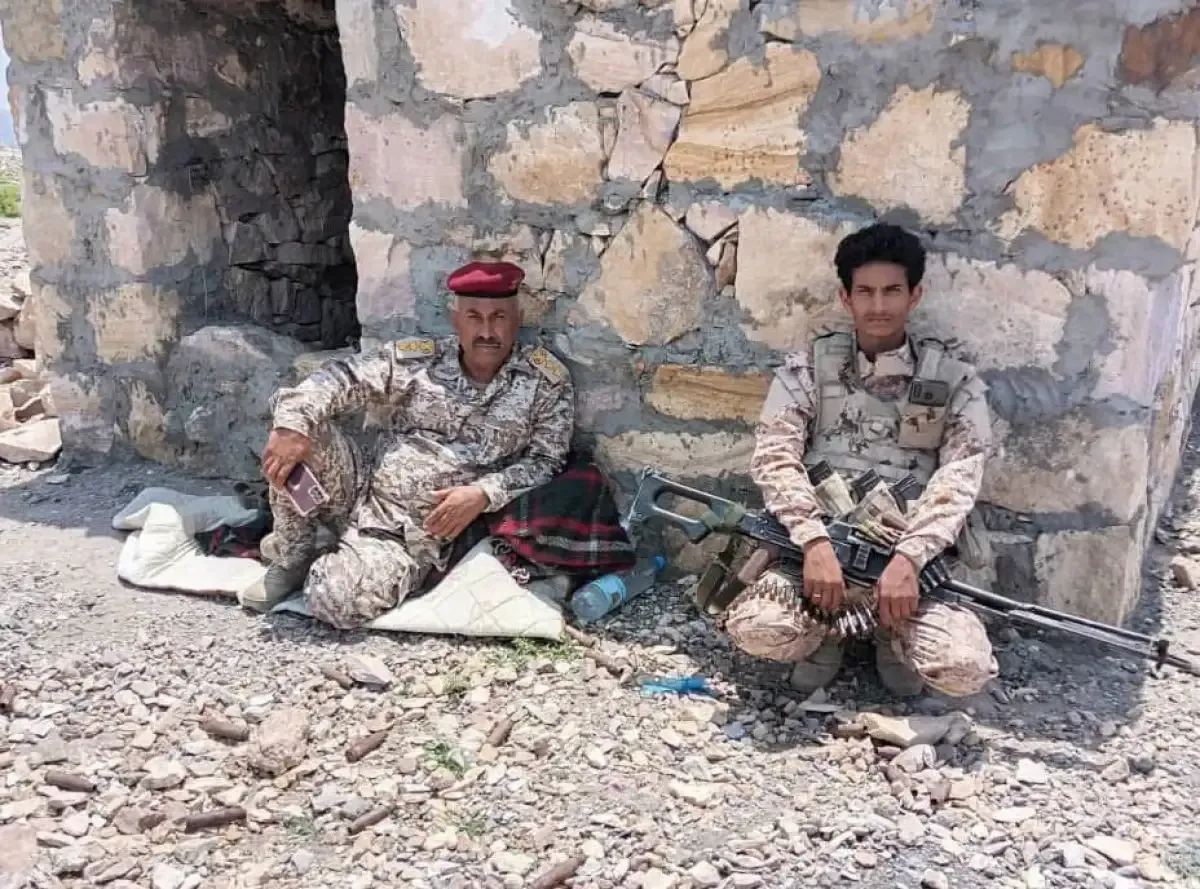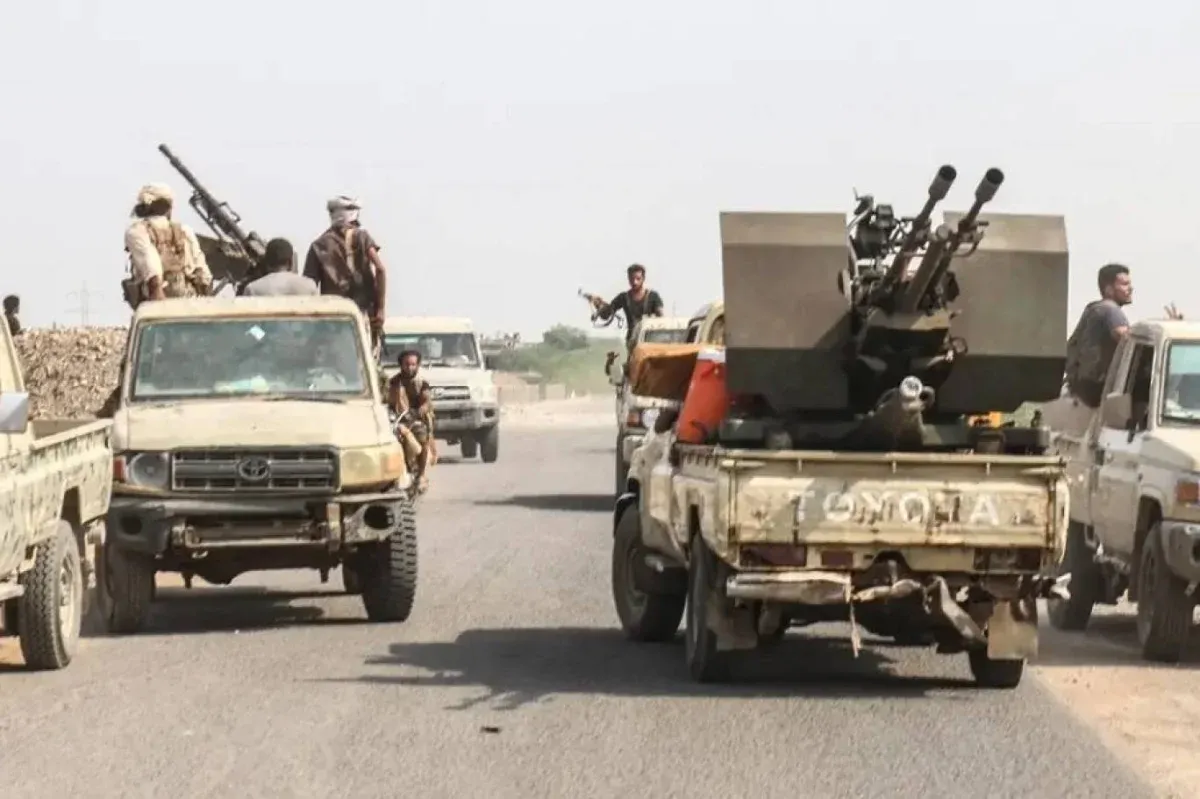
The Washington Post has reported that Iranian-backed Houthi militia escalations, including attacks on Saudi Arabia, vital infrastructure, and the internationally recognized Yemeni government, are pushing the region toward open conflict. With diminishing prospects for negotiation and no signs of an imminent political settlement, a decisive military outcome is increasingly seen as Riyadh's primary option to address Houthi threats.
The newspaper's report, detailing the widening war and its regional implications, cited Yemeni government officials stating that Saudi leadership now views military victory as its sole recourse against Houthi threats and attacks. Both sides reportedly perceive continued fighting as the path forward, extending the confrontation with Iran. This perspective reflects a reduced reliance on the de-escalation efforts that have persisted since 2022 without resolving the conflict or addressing its root causes. Yemeni officials quoted by the Post suggested that the Houthi militia exploited this period of calm to enhance its capabilities and prepare for renewed hostilities.
The report highlighted that Houthi attacks, which have targeted Saudi Arabia's capital airport, oil facilities, and the Yemeni government's headquarters in the temporary capital of Aden, have elevated security risks. The confrontation has expanded beyond Yemen and Saudi Arabia to encompass the security of the Gulf, critical maritime passages, and international trade. Yemeni officials further indicated to the newspaper that the absence of effective international action against Houthi expansion has enabled the militia to achieve battlefield gains along the Red Sea coast. Concerns are mounting regarding global trade routes due to threats around the Bab el-Mandeb strait, a strategically vital passage connecting the Red Sea to the Gulf of Aden and the Indian Ocean.
Analyzing the conflict's trajectory, Ahmed Naji, Senior Yemen Analyst at the International Crisis Group, stated that Saudi-led coalition airstrikes inflict greater damage on the Houthis than publicly acknowledged. However, he also noted that the coalition's ground performance has been weaker than anticipated. This disparity between air strike impact and limited ground results underscores a significant challenge: targeting Houthi military capabilities alone is insufficient without a tangible shift in territorial control and an end to their ability to threaten cities, vital installations, and maritime routes.
The report also indicated that Saudi Arabia is re-evaluating its air defense priorities and intensifying its focus on countering Houthi attacks, particularly following the incident at the Saudi airport that resulted in casualties. Saudi writer and commentator Ali Shihabi told the Post that Riyadh feels a degree of frustration regarding the limited direct U.S. military support, despite appreciating intelligence backing and U.S. presence on the ground. Conversely, the newspaper quoted Saudi Deputy Minister of Foreign Affairs for Public Diplomacy, Rayed Al-Krimly, who believes Iran has encouraged Houthi escalation as part of its strategy to bolster influence during its confrontation with the United States. Yemeni officials also pointed out that external support enables the militia to sustain its fighting and threaten regional and international interests.
Domestically, the suffering of civilians remains a prominent aspect of the escalation, particularly in Taiz, which the report noted is still under Houthi siege, preventing food and aid from reaching its inhabitants. A Yemeni official quoted by the newspaper stated that the government will not cease fighting as long as the siege continues, with humanitarian consequences escalating due to increased displacement and worsening food insecurity. The report cautioned that prolonged conflict without a shift in power balances could extend the war. Analysts suggest Saudi Arabia faces complex choices between containing the Houthi threat and preventing them from becoming a more influential regional force, while also mitigating the risks of continued military, economic, and humanitarian attrition.
The Washington Post's analysis concludes that persistent Houthi escalation and threats against Saudi Arabia and international navigation have narrowed political maneuverability, elevating the importance of the military factor in the current phase. However, achieving sustainable military results remains contingent on the ability of anti-Houthi forces to translate airstrikes into tangible gains on the ground, alongside addressing the root causes of the humanitarian and political crisis in Yemen.