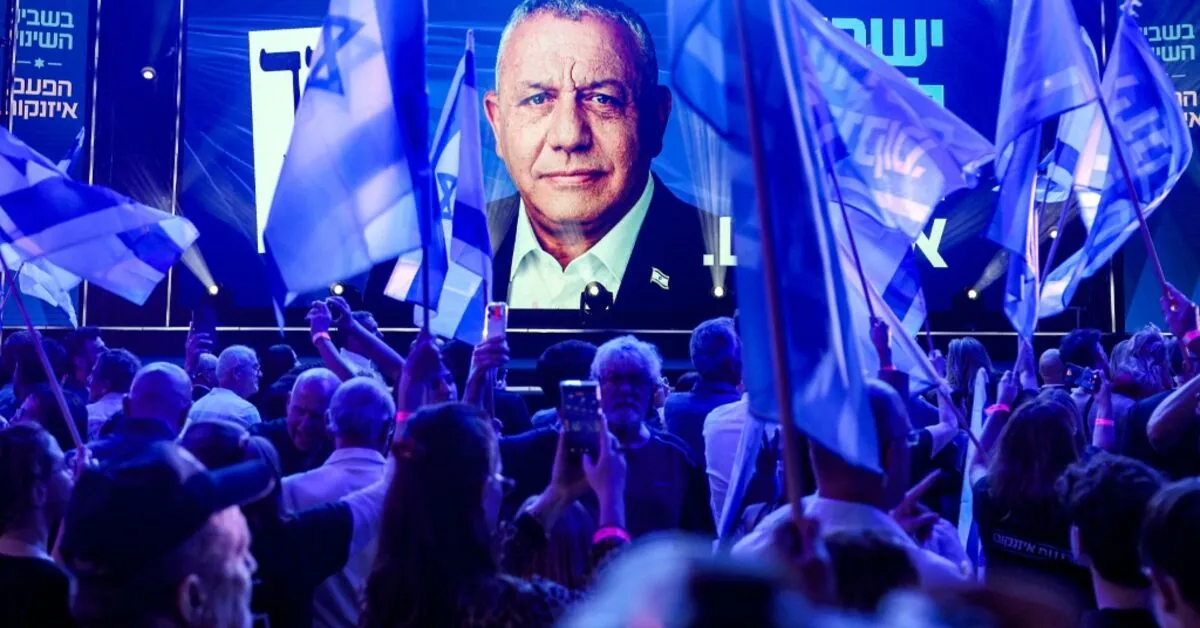
Gadi Eisenkot, a leading contender in the Israeli election, vowed to unite the nation during his final major rally, while Prime Minister Benjamin Netanyahu sought to portray him as weak on Iran.
Netanyahu has centered his campaign on security credentials, portraying Eisenkot as unfit to lead. In contrast, Eisenkot has pledged to establish a state commission of inquiry into the perceived failures that preceded the October 7th Hamas attack under the current government's leadership. Pre-election polls indicated a close race between Netanyahu and Eisenkot before a polling blackout came into effect for the three days preceding Tuesday's vote.
Speaking to hundreds of supporters, Eisenkot committed to mending societal divisions exacerbated by Netanyahu's tenure, emphasizing his dedication to both security and economic stability. "Our goal is not for one side to defeat the other. That is not our way," Eisenkot stated. "We will work to bring all Israelis together again -- those who voted for us and those who did not." His platform, which emphasizes unity and a more straightforward approach, has resonated with some voters, appealing to those seeking a departure from the political establishment.
Eisenkot directly appealed to undecided voters and supporters of Netanyahu's Likud party, urging them to consider a change. "Deep down, you too know that Israel cannot go on like this," he asserted. "Israel needs change." Critics accuse Netanyahu of prioritizing his political survival over national interests, a sentiment echoed by rally attendee Chen Sharon, an army reservist who expressed a desire for leaders with verifiable values and trustworthiness.
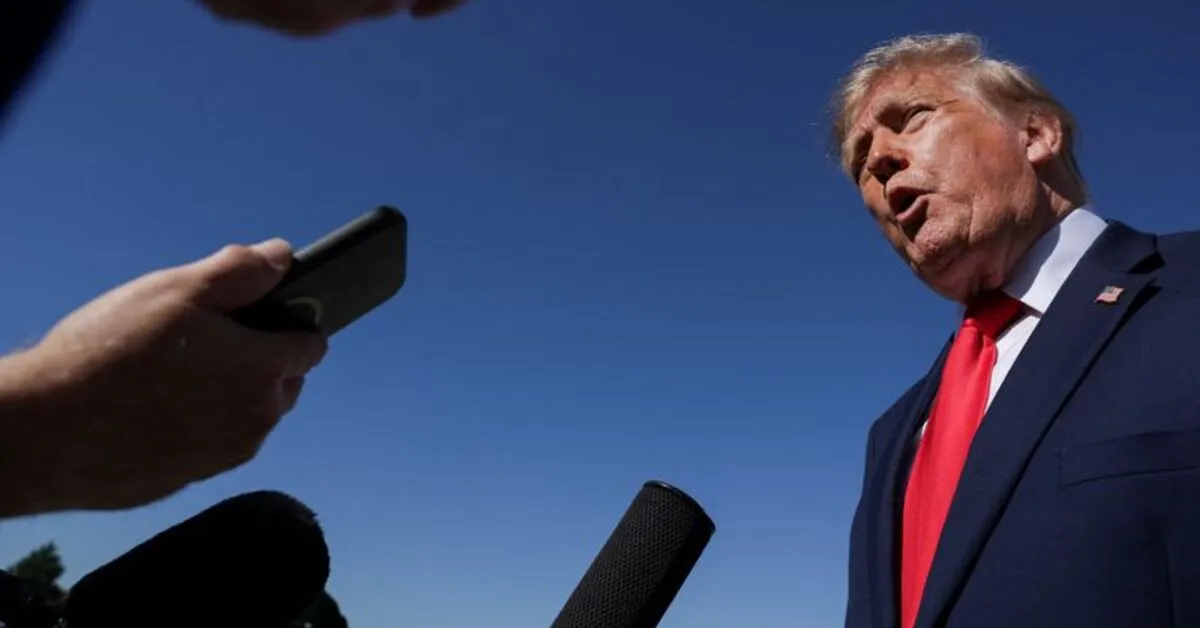
Meanwhile, Netanyahu has leveraged opposition to a Palestinian state and highlighted his efforts against Iran, supported by endorsements from figures like former US President Donald Trump. Appearing on television following Eisenkot's rally, Netanyahu reiterated his claim that Eisenkot and his allies posed a risk of establishing a Palestinian state, which he described as "a catastrophe for Israel." He also questioned Eisenkot's ability to address Iran's nuclear program, asserting, "Only I can do it."
Eisenkot has publicly opposed the creation of a Palestinian state but has committed to a firm stance against extremist West Bank settlers who have reportedly attacked Palestinians with impunity. Netanyahu has also employed stark imagery, including an AI-generated depiction of a mushroom cloud over Tel Aviv, to emphasize the perceived existential threat posed by Iran. Eisenkot had previously accused Netanyahu of exploiting the Iran threat for political gain, citing failures to achieve stated war objectives.
Opposition leader Yair Lapid criticized Netanyahu's recent statements regarding US security aid and sanctions, and his use of alarming imagery. "This man has lost his grip. We absolutely must send him home," Lapid declared.