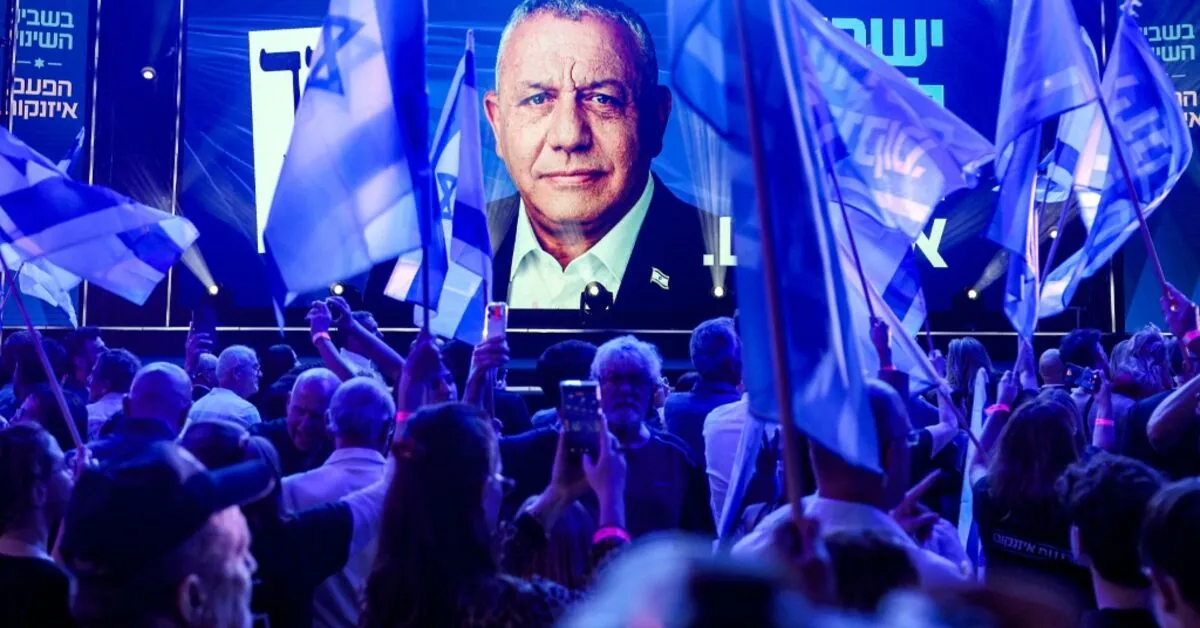
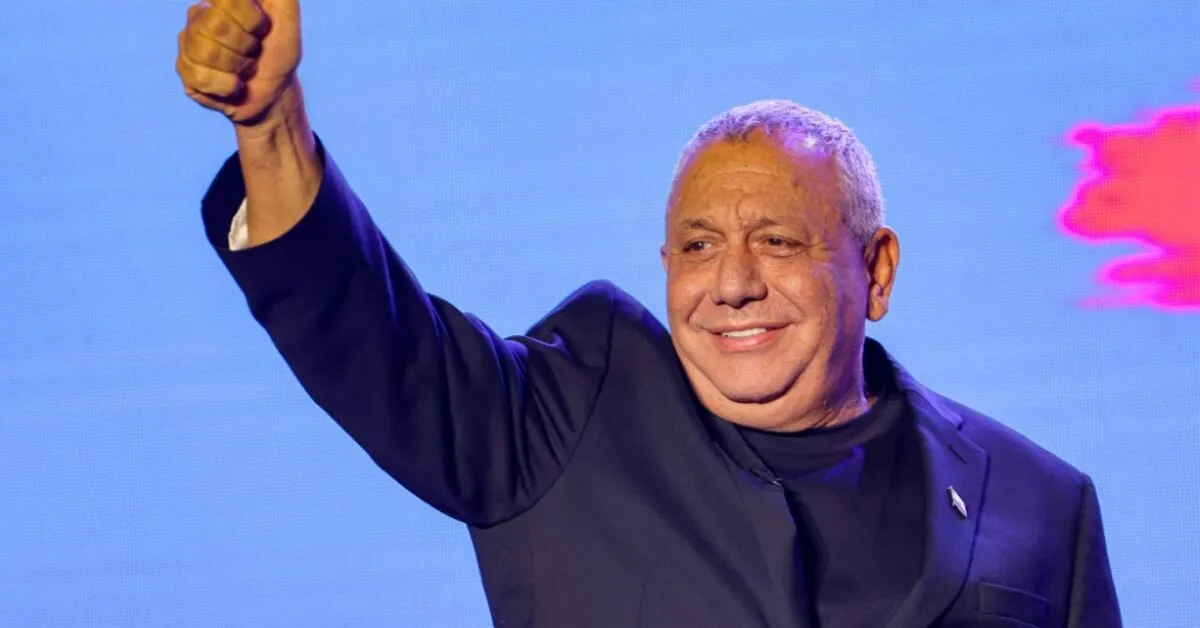
Gadi Eisenkot, a leading contender to unseat Israeli Prime Minister Benjamin Netanyahu, presents a stark contrast to the incumbent, projecting seriousness and an understated demeanor that may appeal to voters weary of political polarization.
Eisenkot, a former military chief of staff, has cultivated an image as the antithesis of Netanyahu, who is known for his fluent English and flair for media soundbites. The 66-year-old Eisenkot, by contrast, speaks halting English and often relies on military-style bullet points, qualities that some voters perceive as assets of reliability and lack of pretension. His campaign centers on uniting a fractured Israeli society after Netanyahu's divisive leadership, which has seen the country shift significantly to the right.
Researchers suggest a segment of the Israeli electorate, particularly the middle class, is seeking a "responsible, boring" leader. Eisenkot's promise to restore Israel's international standing, strained by prolonged conflicts in Gaza and the West Bank, resonates with this desire for stability. He has also vowed to address the issue of extremist West Bank settlers and their attacks on Palestinians, labeling such incidents as "Jewish terror" allegedly enabled by the current government.
Despite his focus on national unity, Eisenkot is not advocating for immediate concessions on security matters. He has taken a firm stance against the establishment of a Palestinian state and has evoked the "Dahiya doctrine," a military strategy he devised that advocates for the use of overwhelming force against civilian infrastructure in hostile areas. This doctrine has been applied in Gaza, leading to significant destruction that has drawn international criticism, though Israel disputes these assertions.
Eisenkot's appeal is further bolstered by his working-class background and Sephardic heritage, which would make him Israel's first prime minister from this demographic. His personal tragedy, having lost his son and nephews in combat in Gaza, has garnered public sympathy. A recent incident involving a derogatory remark about his heritage on a pro-Netanyahu television station allowed Eisenkot's campaign to highlight discrimination against Sephardic Jews and position him as a champion against such prejudice.
On policy, Eisenkot has attempted to bridge divides. He has expressed support for Israeli settlement in the West Bank when it serves state interests and aligns with the law, while appearing to reject unauthorized outposts that provoke violence. He has set a 18-month timeline for ending Hamas rule in Gaza, proposing either a ceasefire plan or decisive military action. Eisenkot has also pledged to reform military service exemptions for religious students and has committed to upholding judicial independence, the rule of law, minority rights, and a free press, thereby appealing to centrist and liberal voters. His campaign has culminated in direct appeals to undecided Netanyahu supporters, urging them to embrace change.