Afghanistan is experiencing a resurgence in poppy cultivation as farmers, struggling to sustain their families on legal crops, are returning to the illicit trade, a development that could significantly impact global drug markets. The United Nations Office on Drugs and Crime (UNODC) reported a sharp increase in cultivation this year, reversing the impact of a strict ban enforced by the Taliban.
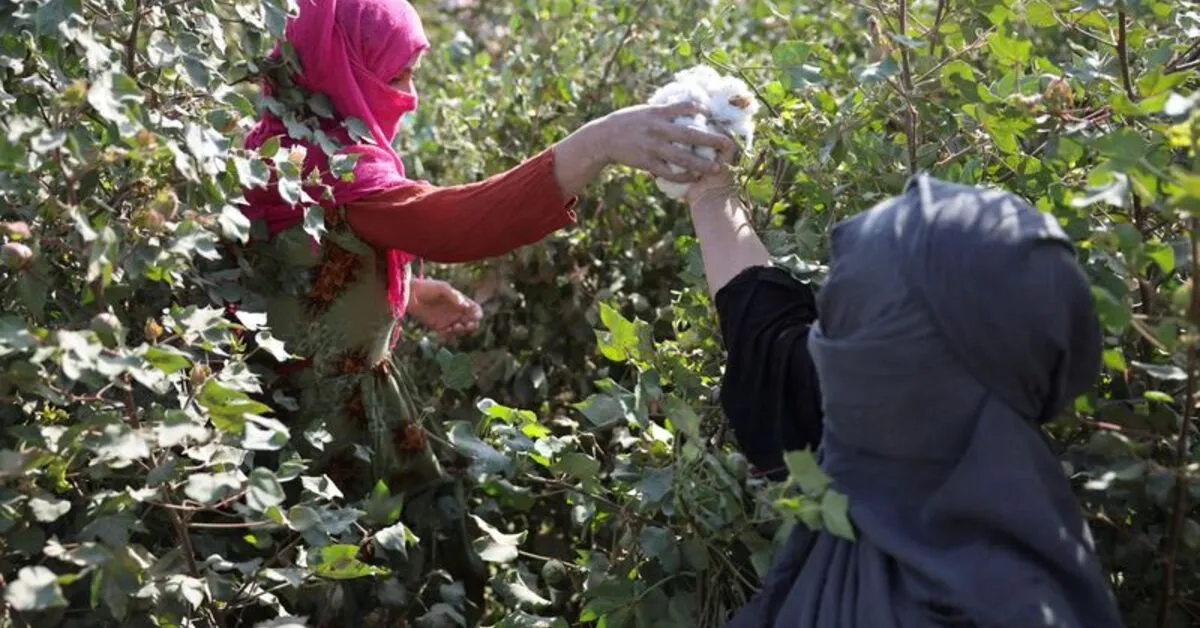
Mohammad Dawood, a farmer from Baba Yusuf village in Balkh province, illustrates the plight of many. Once able to support his family through a single poppy harvest, he now finds that cultivating cotton and wheat barely provides a livelihood, leading to malnutrition among his children. While Dawood claims to still adhere to the ban, he notes that his income from legal crops is a mere fraction of what he previously earned from poppies. Many of his neighbors, however, have reportedly returned to cultivating the illicit crop, a trend corroborated by the UNODC, which found Balkh province, previously declared poppy-free, now showing signs of renewed cultivation.
According to UN satellite imagery analysis, cultivation across Afghanistan has more than quadrupled this year, reaching an estimated 43,300 hectares. While this figure remains below the 2021 levels before the Taliban's ban, opium sales generated an estimated $525 million this year, the highest since 2018, excluding a spike in 2022 caused by the ban itself. Farmers are reportedly resorting to hiding poppies within cereal fields and behind mud walls to evade Taliban scrutiny. The Taliban government has contested the UNODC report, claiming cultivation is half the estimated figure and that eradication efforts are ongoing.
The economic pressure on farmers is severe, with aid groups reporting critical levels of child malnutrition in several provinces. Despite better harvests, high costs and low prices for legal crops, coupled with reduced foreign aid and international isolation of the Taliban, are squeezing poorer farmers. Doctors at a health center in Balkh province primarily attribute the rise in malnutrition cases to declining farm incomes, as families struggle to make ends meet. Nurses at the clinic report that families have found no viable alternative crop to support them since poppy disappeared from local fields, despite owning farmland.
The implications of a full return to poppy production extend beyond Afghanistan. Analysts warn of significant repercussions for global drug markets, citing active trafficking networks and resilient smuggling operations. The crop previously fueled health crises, corruption, and violence worldwide. While pre-ban stockpiles initially cushioned the global shortage after 2022, these reserves may be diminishing, further incentivizing cultivation. The Taliban view the ban as a key achievement and a means to gain international legitimacy, yet officials acknowledge the challenges in sustaining it without adequate support for alternative livelihoods, a concern echoed by UNODC representatives who noted insufficient support from both the government and the international community.
Farmers face harsher conditions than a generation ago, exacerbated by recurring droughts that have depleted water resources. Legal alternatives like wheat barely cover costs, and cotton prices have plummeted due to a nationwide glut and border closures impacting exports. High-value crops require significant time to establish and depend on reliable water and open export routes, making them unviable for many. A UNODC survey indicated that a vast majority of households in affected provinces have not replaced their lost poppy income. Farmers express that while they would prefer not to grow poppy again, dire economic circumstances could compel them to do so, underscoring the potent link between hunger and desperation.