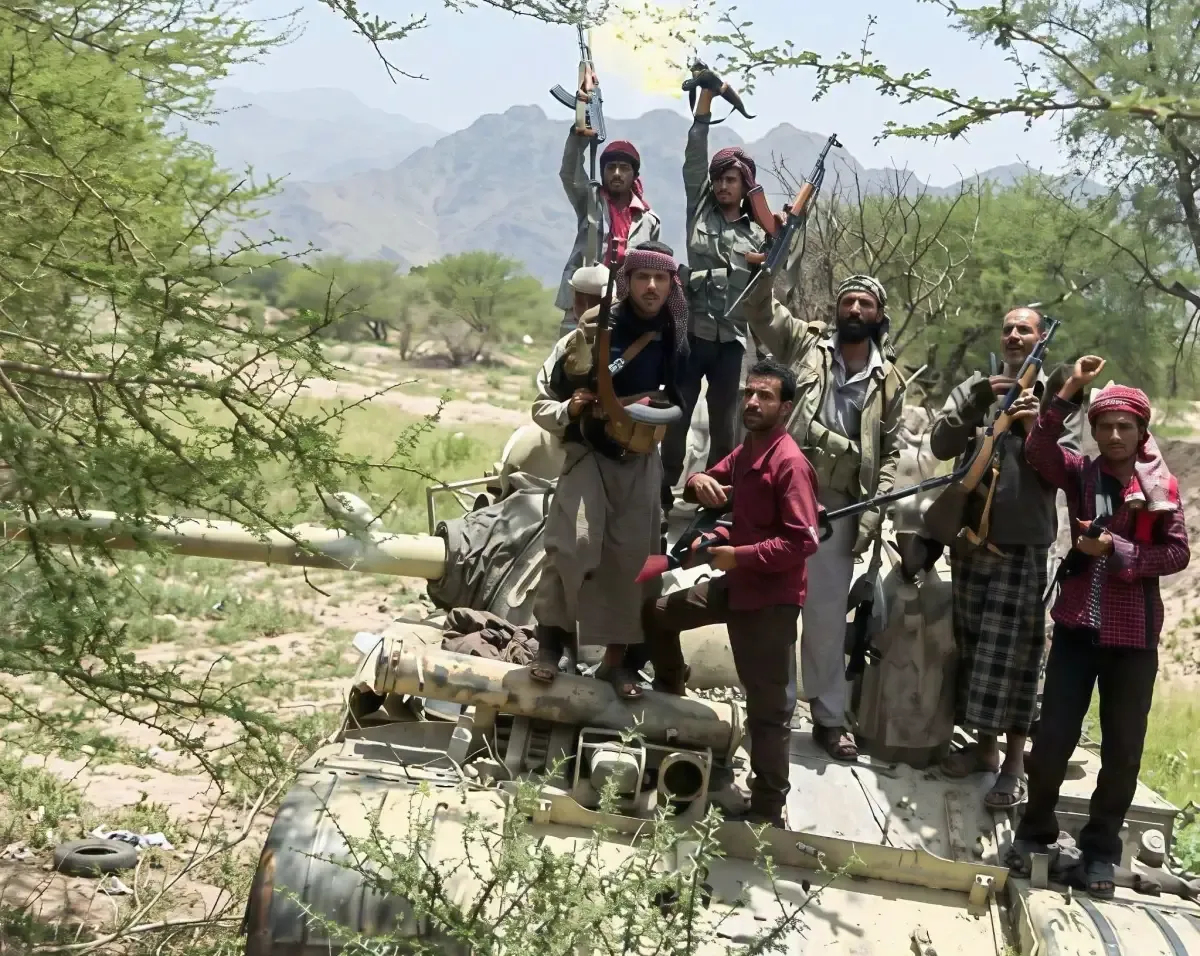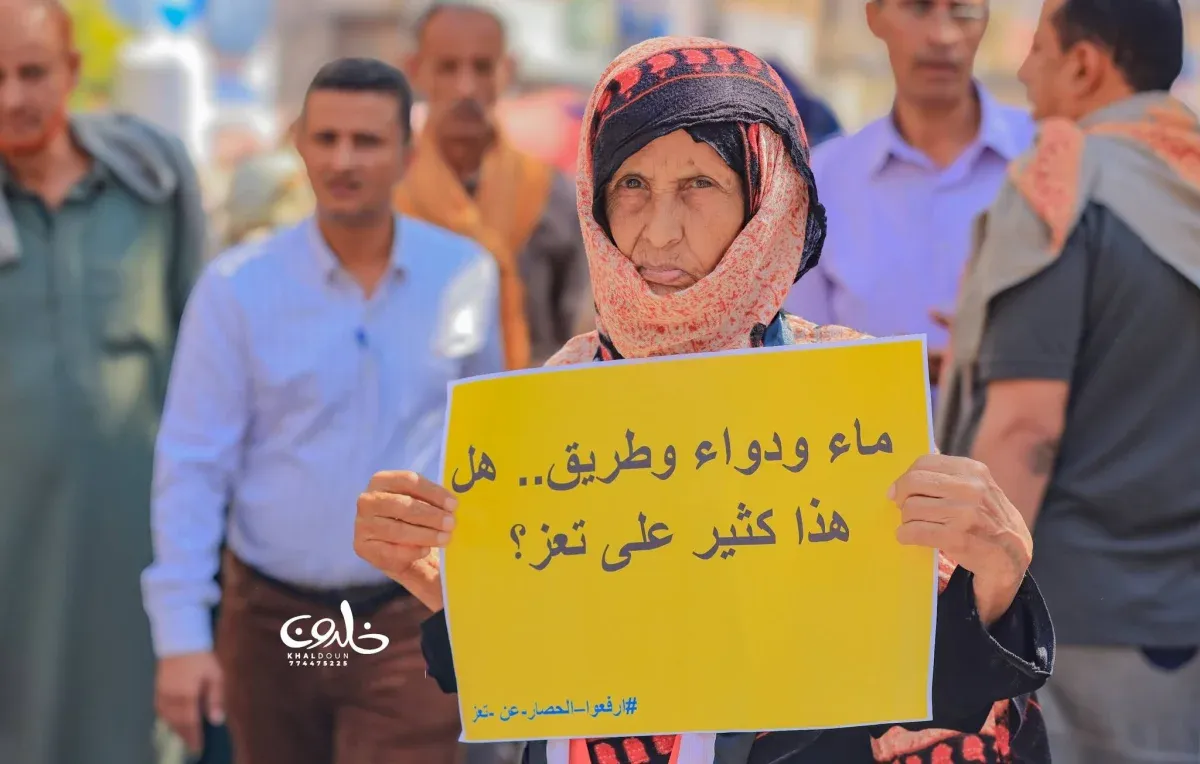
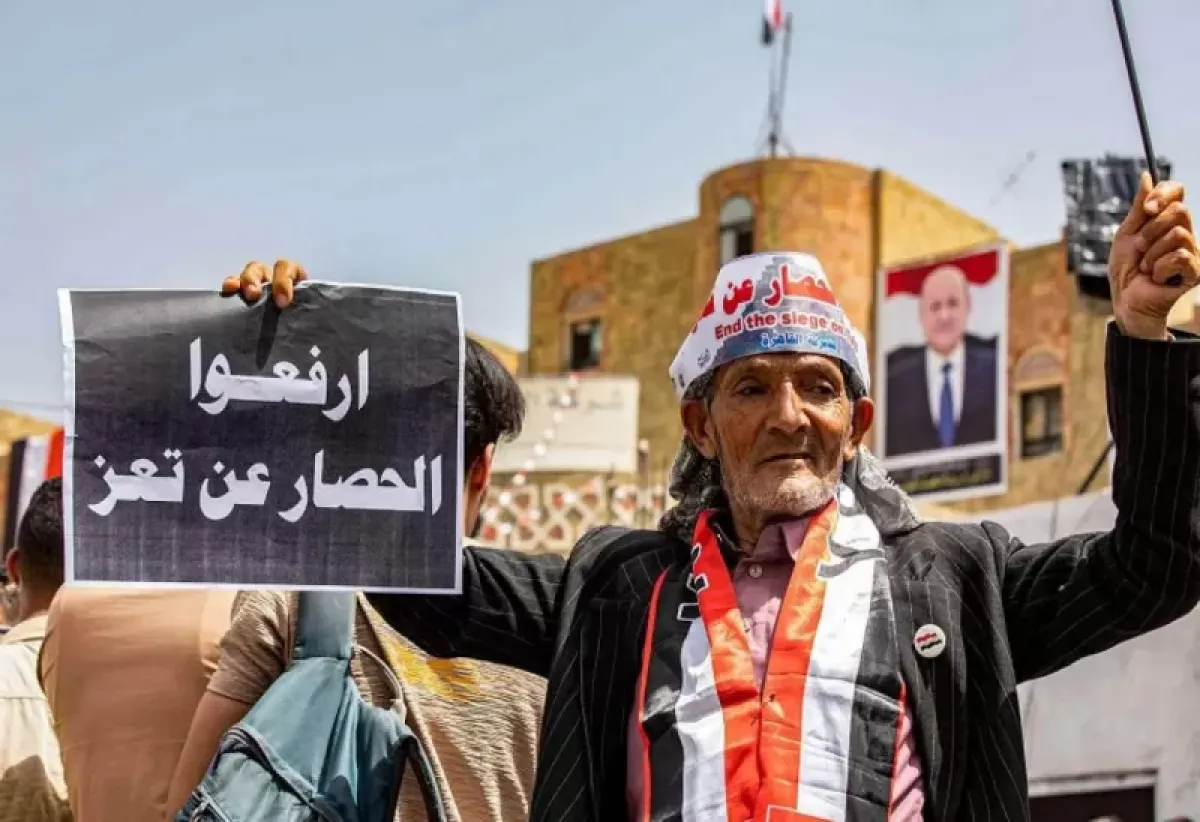
Residents of Taiz continue to endure the harsh realities of the Houthi blockade, characterized by road closures and restricted movement of goods, while the Yemeni government's response has largely consisted of reaffirming commitments and issuing new international appeals. Tangible field actions to alleviate the suffering and reopen key routes have yet to materialize.
During a conference in Aden reviewing the repercussions of the war and the blockade on Taiz, the government reiterated that lifting the siege, protecting civilians, and securing supply routes are paramount national responsibilities. It pledged to mobilize state resources and support the armed forces in reclaiming state institutions and safeguarding citizens. However, these pronouncements, while carrying political and media significance, raise a persistent question among Taiz's populace: For how long will the issue of the siege remain confined to conferences, statements, and international demands, while practical measures to ease daily hardships and reopen the main roads—which have turned travel within the province into an arduous and costly ordeal—are still awaited?
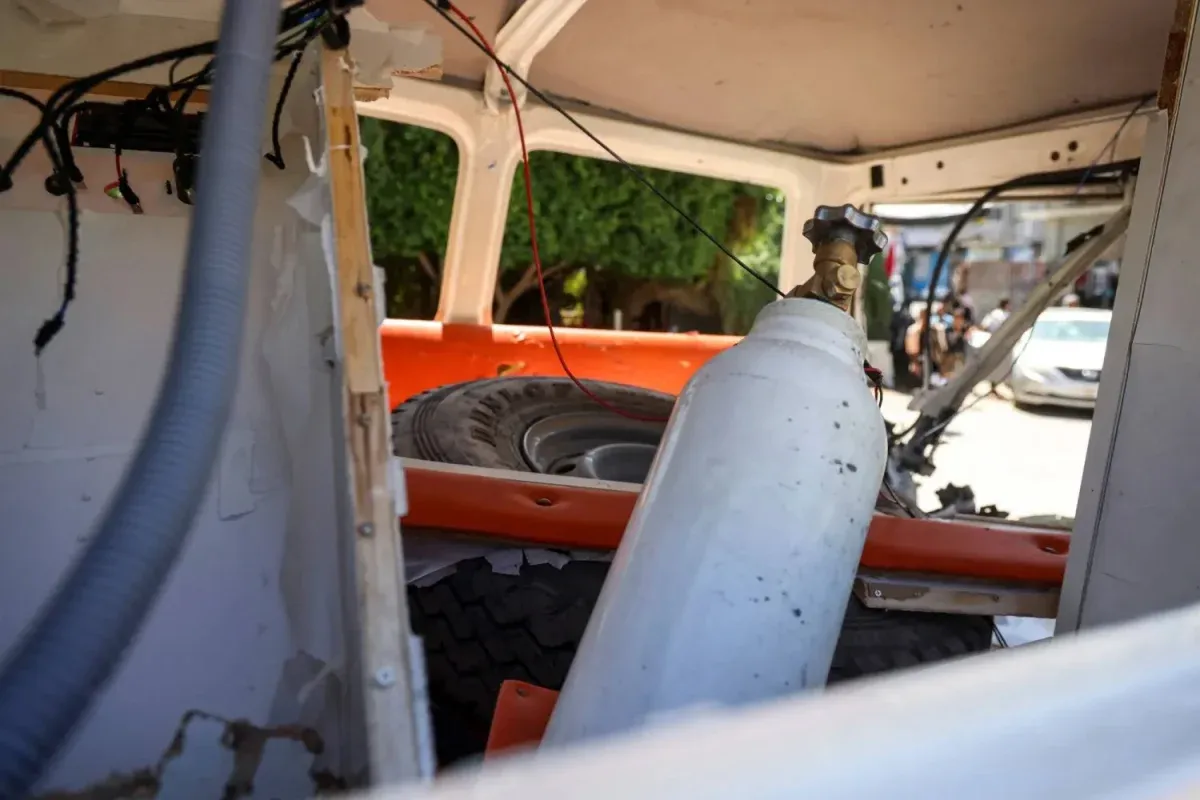
The government's conference not only detailed alleged violations by the Iran-backed Houthi militia, including attacks on civilians and medical facilities and the laying of mines, but also called for more effective international action. This includes advocating for the permanent and safe opening of roads, ensuring the delivery of food, medicine, fuel, and aid, imposing sanctions on implicated leaders and entities, and enhancing oversight of arms and funding smuggling networks.
The repetition of these demands underscores a persistent gap between official rhetoric and the outcomes citizens expect. The government, which emphasizes that lifting the siege is a national priority, is urged to clarify the executive measures taken, the results achieved on the ground, and a timeline for tangible changes that citizens can experience, rather than merely renewing pledges on every occasion.
While the government attributes responsibility for the siege, targeting of civilians, and obstruction of supplies to the Houthis, it stressed that the conference aimed to present facts to diplomatic missions and international organizations to mobilize pressure for effective action. However, documenting violations and explaining their consequences, though necessary, does not replace integrated government action that links diplomatic efforts with measurable political, security, military, and humanitarian measures.
The government also called upon national forces and factions to unite behind state institutions and the armed forces, linking the lifting of the Taiz siege to the restoration of state institutions, general mobilization, and the launch of the "Fajr Al-Yemen" (Dawn of Yemen) offensive. Yet, announcing broad military and political objectives does not, in itself, address the urgent needs of the population or clarify when roads will be secured, freedom of movement restored, and the burdens on the sick, wounded, and families alleviated.
The government appealed to regional and international partners for political, diplomatic, military, security, logistical, economic, and humanitarian support. It also called for expanding the international classification of the Houthis as a terrorist organization and tightening sanctions and oversight on their sources of armament and funding. These demands place responsibilities on the international community but require sustained diplomatic follow-up and clear mechanisms for measuring response, rather than recycling the same demands from one conference to another.
In conclusion, the government stated it awaits practical action from its international partners, considering the tangible impact on lifting the siege, halting aggressions, and cutting off Houthi supply and funding channels as the benchmark for any move. However, this benchmark should also apply to the government's own performance. Tangible results cannot be demanded from partners without presenting a clear assessment of governmental actions and their actual achievements in protecting civilians and alleviating their suffering.