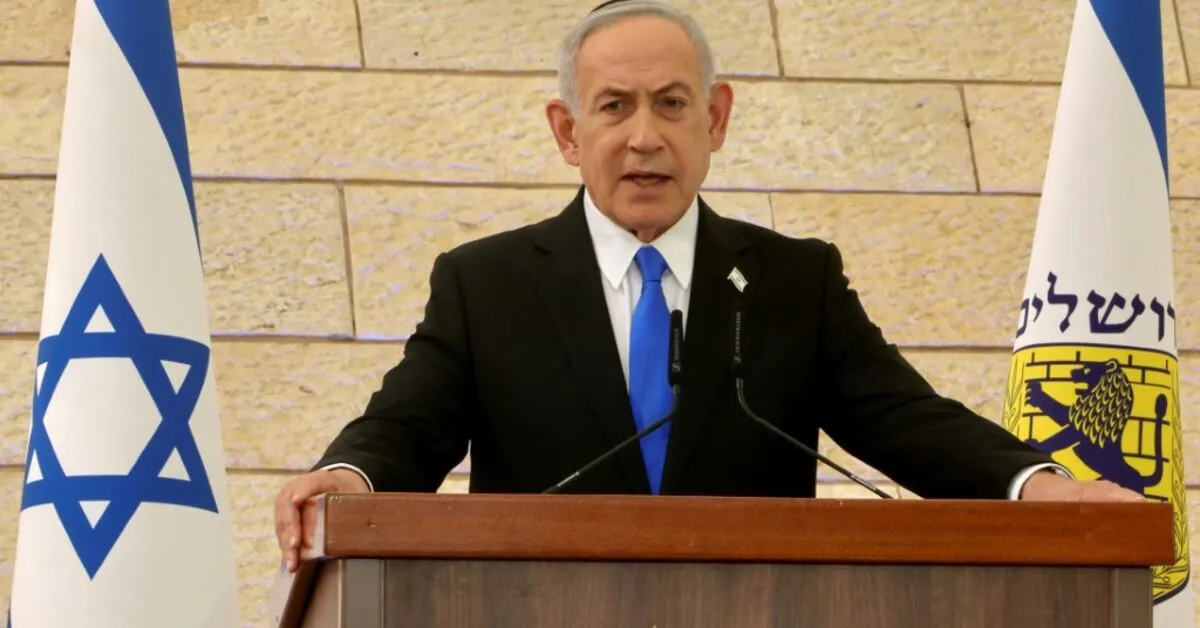
Prime Minister Benjamin Netanyahu is navigating a critical juncture in his political career following closely contested elections that failed to produce a clear victor, leaving him scrambling to retain power.
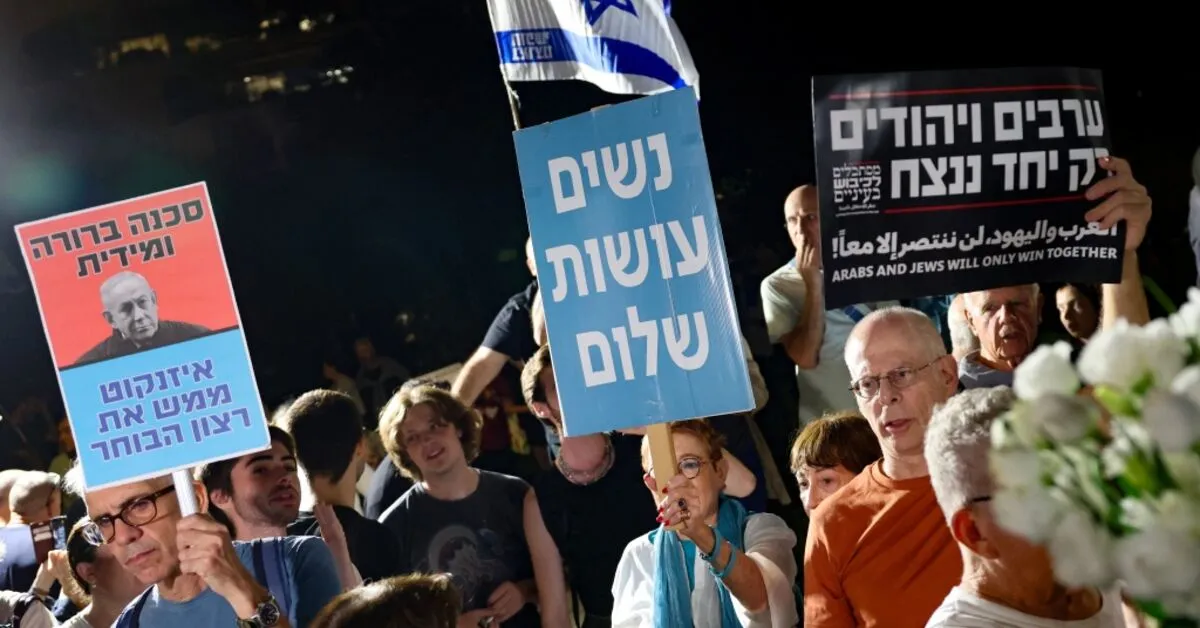
Voters cast their ballots in historically high numbers, participating in a pivotal election widely perceived as a referendum on Netanyahu, whose tenures as Israel's prime minister now span over 19 years. With the majority of votes tallied, Netanyahu's right-wing bloc has a slight lead over his rival, former military chief Gadi Eisenkot, but neither bloc secured a parliamentary majority. Both leaders have indicated their intention to form a government, suggesting that the coming weeks may involve complex coalition negotiations.
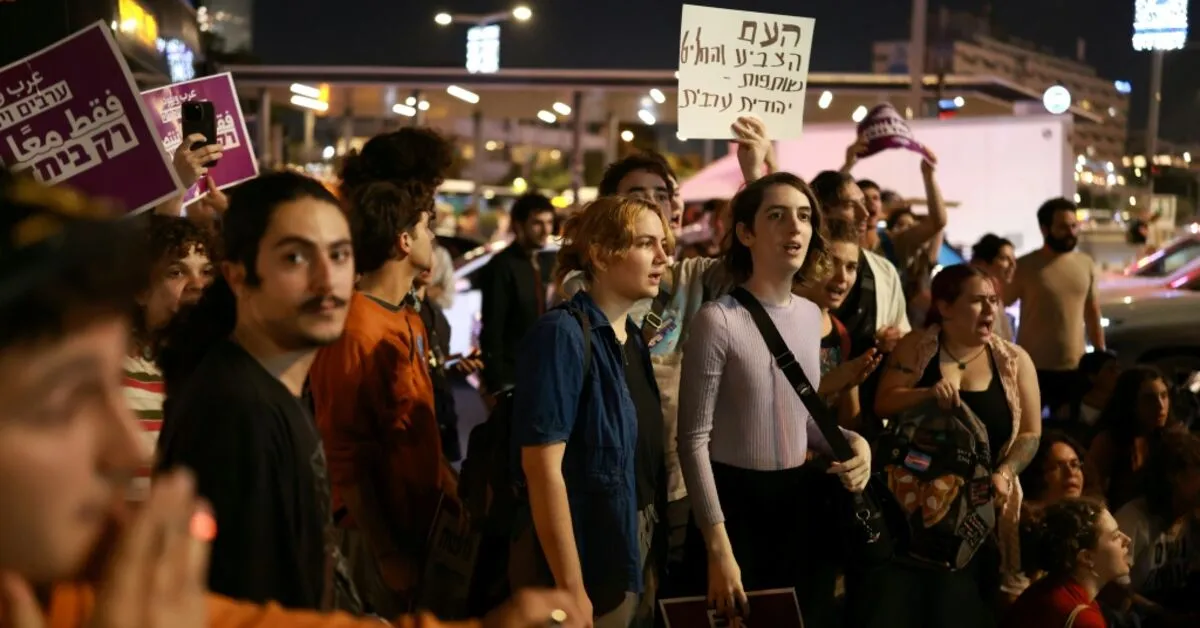
The current electoral stalemate could indirectly benefit Netanyahu, allowing him to continue serving as caretaker prime minister. Arab parties, having achieved significant electoral gains, might play a decisive role in potentially unseating the prime minister, provided the opposition coalition is willing to cooperate with them. However, Netanyahu, who significantly criticized Arab parties during his campaign, has since alleged election irregularities and called for an investigation into unverified claims of foreign funding.
President Isaac Herzog, who is responsible for nominating a candidate to form a government, has emphasized the need to avoid further elections, opening the possibility of a national unity government. In the final hours before the vote, Netanyahu urged his supporters to participate, stating, "We cannot leave this battle here in the hands of the left and the Arab parties."
Netanyahu's reputation for prioritizing security was challenged by the October 7th Hamas attack, with Eisenkot capitalizing on public sentiment regarding the security failures leading up to the polls. Despite these challenges, Netanyahu's campaign highlighted an endorsement from Donald Trump and emphasized military actions against Hamas, Hezbollah, and Iran. The 77-year-old prime minister also faces an international arrest warrant related to alleged war crimes in Gaza, an ongoing corruption trial, and a protracted multi-front conflict.
Born in 1949, Netanyahu's political ideology was shaped by his father's association with Zeev Jabotinsky and the "Revisionist" Zionist movement. He opposed the Israeli-Palestinian peace process of the 1990s and currently advocates for expanding Israeli influence into the occupied West Bank. Netanyahu's career includes service in an Israeli commando unit, participation in the 1973 Arab-Israeli war, and a period of study at the Massachusetts Institute of Technology. He first served as prime minister from 1996 to 1999, followed by extended terms from 2009 to 2021, and returned to power in late 2022.
Netanyahu's strategic approach, particularly his view of Hamas's governance in Gaza as a means to divide Palestinian leadership, was exposed as vulnerable by the October 7th attack. As the conflict in Gaza intensified, he framed it as a broader regional struggle. While supporters commend his military response and confrontation with Iran, critics contend that his policies have entrenched intractable conflicts and isolated Israel internationally. The ongoing regional tensions are fueling discussions about a unity government with Eisenkot, who has previously stated that Netanyahu is "unfit to remain in office."