Prime Minister Benjamin Netanyahu's bloc is intensifying pressure on Israeli Arab parties, citing unproven accusations of foreign funding as the election results leave no clear parliamentary majority. This move aims to undermine parties that achieved significant gains in a closely contested election.
National Security Minister Itamar Ben Gvir has called for the immediate arrest of Arab party leaders, escalating rhetoric amidst the ongoing vote count. Neither Netanyahu's bloc nor the opposition, led by former military chief Gadi Eisenkot, appears poised to secure the 61 seats required to form a government in the Knesset. The political uncertainty is further complicated by the looming threat of renewed conflict with Iran, a situation Israel's ally, the United States, is also navigating with its own mid-term elections approaching.
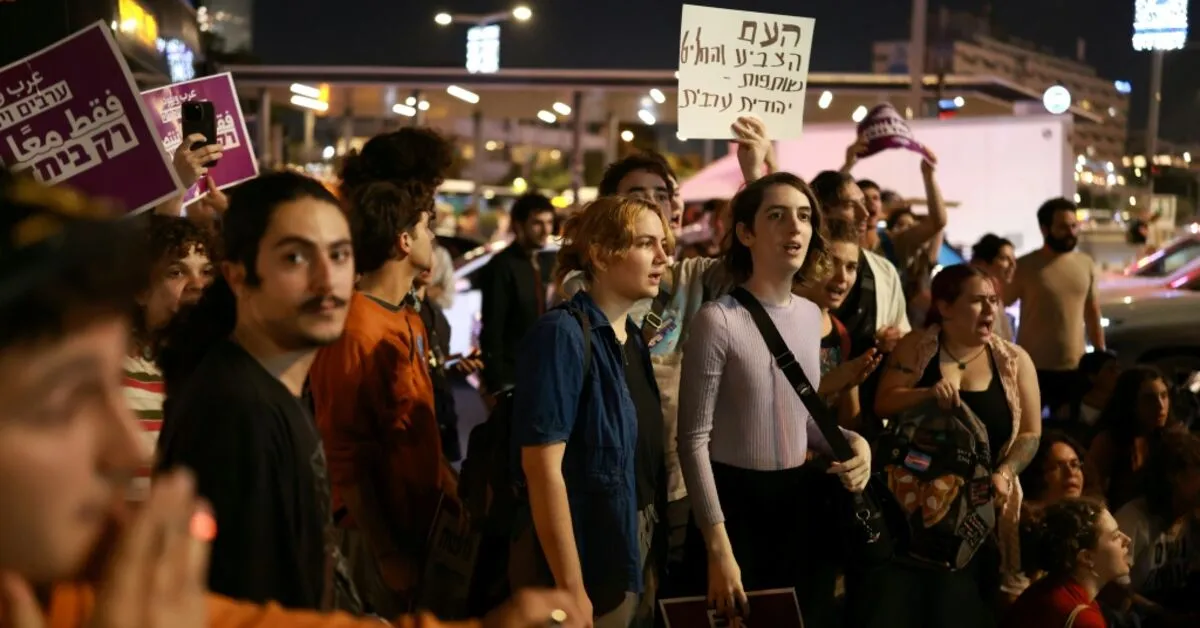
The election saw a notable increase in support for Arab parties, representing descendants of Palestinians who remained in Israel after 1948. This surge is attributed, in part, to public outrage over statements by ministers like Ben Gvir, who have advocated for treating the Israeli Arab minority in a manner similar to Israel's approach in Gaza and the West Bank. Collectively, the Arab parties hold enough votes to potentially tip the balance for the opposition bloc, though Eisenkot has expressed reservations due to Netanyahu's persistent warnings to his Jewish base that supporting the opposition would empower Arab representation.
Supreme Court Justice Noam Sohlberg has reportedly requested an investigation by the Shin Bet security service into allegations that the Arab party Raam received funding from Qatar. Netanyahu's Likud party has seized on these claims, calling it a "political earthquake" and alleging that "Israel's elections have been stolen." However, government officials have yet to provide concrete evidence to substantiate these accusations. Notably, Netanyahu himself has faced scrutiny regarding alleged payments from Qatar to his former aides.
With approximately 93 percent of votes tallied, Netanyahu's bloc holds 53 seats, while the opposition stands at 48 seats, both falling short of the necessary majority. The two main Arab formations are projected to secure an unprecedented 19 seats. Some analysts suggest these allegations could serve Netanyahu's interests by making Arab lawmakers less palatable to the opposition. Yousef Jabareen, head of the Joint List, stated his willingness to cooperate with the opposition to remove Netanyahu but not to join a government, emphasizing the priority of ending what he termed Netanyahu's "blood-soaked government."
Eisenkot acknowledged receiving updates on the allegations and pledged "utmost vigilance" against election interference, while cautioning against political exploitation of the situation. Avigdor Lieberman, a right-leaning ally of Eisenkot, described the allegations as "dramatic and unprecedented" and called for a swift investigation. The Israeli police have confirmed they will investigate all complaints regarding election integrity.