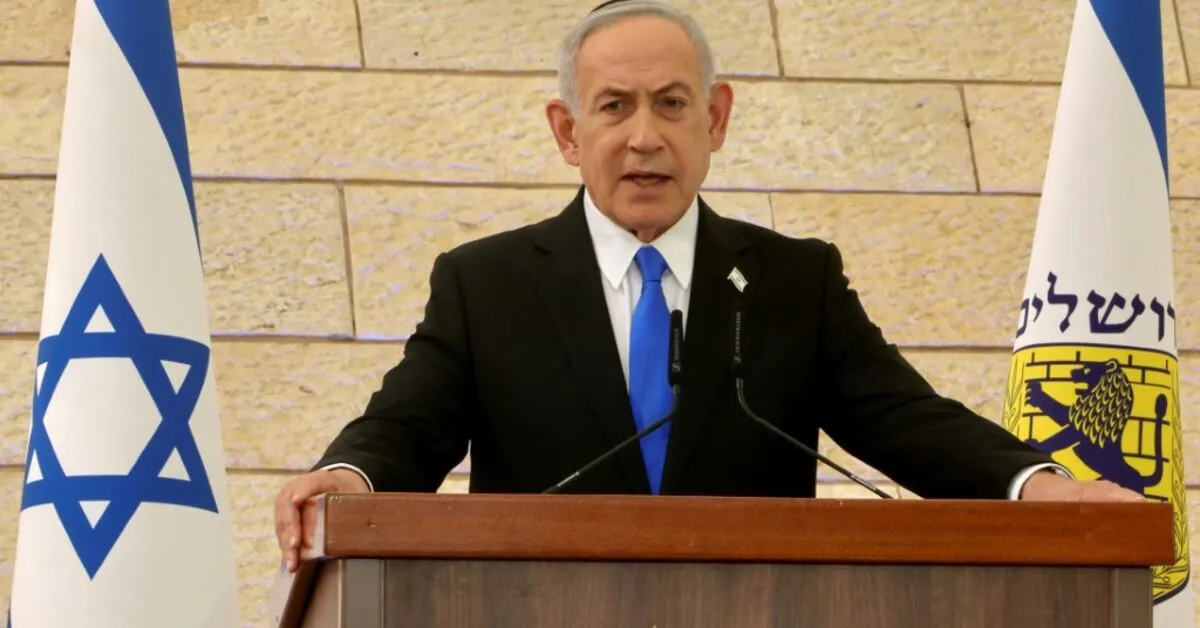
Prime Minister Benjamin Netanyahu's bloc has emerged as the frontrunner in Israel's general election, but final results released Friday indicate a significant shortfall in achieving the necessary majority to form a government. The outcome points towards complex coalition negotiations or the potential for another electoral contest.
Netanyahu's alliance of right-wing and far-right parties secured 53 seats in the 120-seat Knesset, with his Likud party remaining the largest single faction, capturing 27 seats. The opposition, led by centrist Gadi Eisenkot, garnered 48 seats. The final tally from the Central Elections Committee also highlighted the pivotal role of Arab party groupings Raam and the Joint List, which collectively won 19 seats, positioning them as potential kingmakers.
The fragmented results set the stage for protracted negotiations to establish a governing coalition. With no single bloc reaching the 61-seat threshold required for a majority, the possibility of further elections looms if coalition talks falter. The final count followed Thursday's amplification of unverified allegations by Netanyahu's camp concerning foreign funding for Arab-Israeli groups to influence the vote. These accusations have been refuted by both Arab-majority lists and Qatar, while Israel's Shin Bet domestic security service has launched an investigation into suspected irregularities, emphasizing that the probe does not aim to assign blame to any voting sector.
The electoral commission has moved to de-escalate tensions, with its acting director general stating that suggestions of widespread issues are "entirely groundless." The controversy intensified with allegations that Raam received funds from Qatar, a claim denied by Raam leader Mansour Abbas, who welcomed an investigation. The Joint List accused Netanyahu and his allies of orchestrating a "campaign of incitement" driven by apprehension over the growing political influence of Arab voters, noting that government officials have yet to present evidence supporting these claims.
Opposition figures have accused Netanyahu of attempting to undermine confidence in the election results following his failure to secure a governing majority. Left-wing candidate Yair Golan suggested that Netanyahu is seeking to challenge the electoral outcome. Gadi Eisenkot, after being briefed by the Shin Bet and the election committee, stated it was premature to ascertain the extent of any irregularities but asserted that Likud and Netanyahu had initiated a concerted campaign to delegitimize the election results. Qatar has dismissed the accusations as "ridiculous and dangerous."
Yousef Jabareen, head of the Joint List, indicated a willingness to cooperate with the opposition to prevent Netanyahu from forming a government, without necessarily joining a coalition himself. Earlier in the voting process, Netanyahu had raised allegations of fraud, claiming that Arab parties were found with envelopes of cash. Police reported the arrest of three suspects, though the election commission characterized the incident as an isolated local case.