A recent conference held in Geneva, Switzerland, to launch a "Tribal Code of Honor for the Protection of Civilians" has sparked significant criticism and raised questions regarding its efficacy and timing, particularly concerning its potential to enact meaningful change amidst ongoing wartime atrocities in Yemen.
The event, hosted at the Palais des Nations on October 29th, saw approximately 100 tribal leaders and sheikhs purportedly representing various Yemeni governorates. Organized by the Geneva Centre for the Democratic Control of Armed Forces (DCAF), the initiative aimed to consolidate tribal principles for civilian protection, de-escalate internal conflicts, and foster peace efforts. The charter outlines commitments to safeguarding civilians, respecting prisoners of war, utilizing tribal mediation for dispute resolution, and protecting places of worship, markets, schools, and hospitals from violence. It also emphasizes the strategic relationship between Yemen and Saudi Arabia, recognizing their shared interest in regional security.
However, these ostensibly noble objectives have faced widespread criticism. Detractors point to the conference's location outside Yemen, within costly international venues, while many Yemeni regions continue to endure bombing, sieges, and displacement. They question the ability of tribal customs and mediations, which have proven ineffective in deterring ongoing abuses by Houthi militias throughout the war, to impose any deterrent. Central to the critique is whether the conference represents a genuine tribal initiative for Yemeni protection or merely another in a series of symbolic gatherings and agreements that fade after their pronouncements, failing to impact the lives of ordinary citizens. Concerns have also been raised about the lack of clear mechanisms to ensure compliance with the charter and the actual representation of Yemeni tribes within the country.
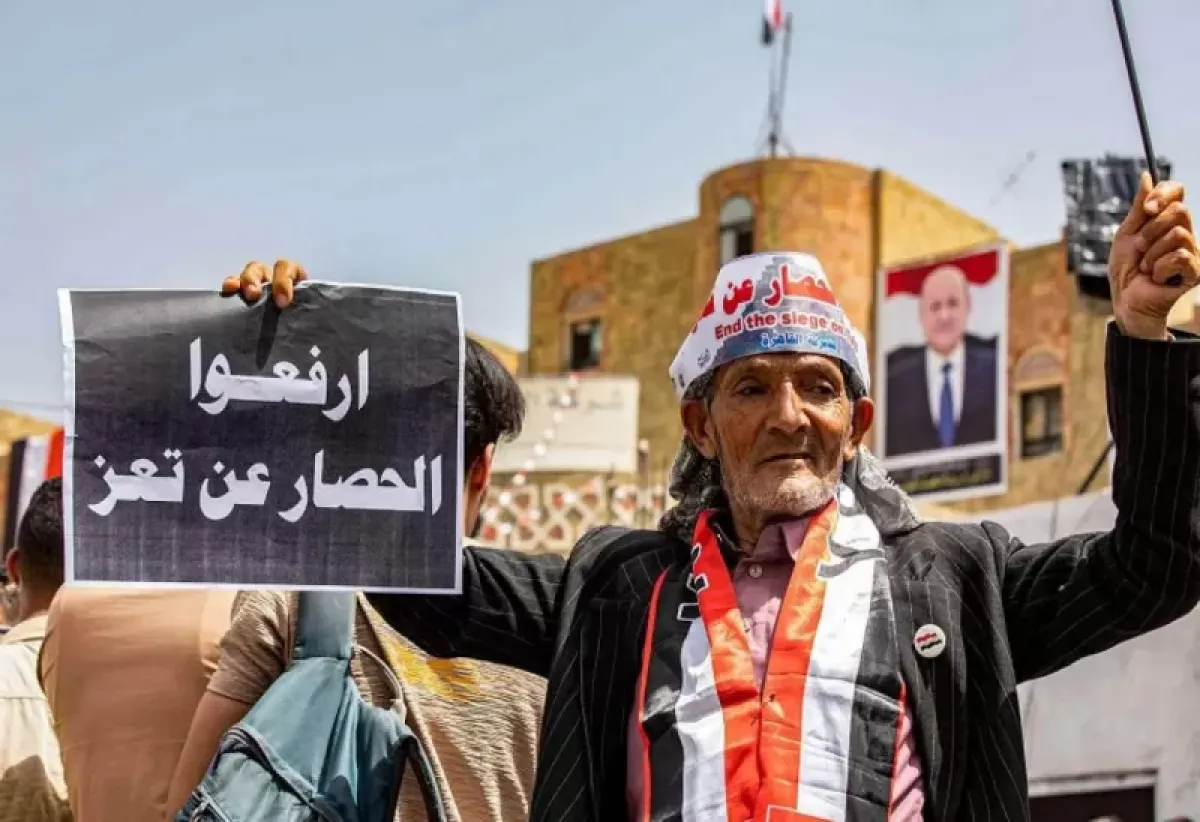
Yemeni journalist Hamdan Al-Rehbi criticized the choice of Geneva for launching a tribal charter, deeming it paradoxical given the urgent need for international action to end the siege on Yemeni cities, particularly Taiz. Al-Rehbi questioned the nature of tribal representation at the conference, asking who possesses the authority to bind tribes in Marib, Taiz, Shabwah, Saada, Amran, and Sana'a to a document announced abroad, especially considering Yemen's established tribal social structures. He argued that holding such meetings far from the intended beneficiaries undermines their relevance, particularly without clear indicators that the participants genuinely represent the tribal communities the charter purports to speak for. He also raised questions about the caliber of attendees, inquiring whether they included influential tribal leaders or merely local figures and activists. Al-Rehbi suggested that the resources allocated for travel, accommodation, and organization would have been better directed toward mobilizing international support for Taiz and funding urgent projects in health, water, food, and reconstruction.
Writer Mohammed Al-Qadiri cautioned that certain provisions of the charter, particularly those concerning peace and tribal mediation, could carry political implications beyond civilian protection, potentially benefiting the Houthi militia if handled in isolation from the conflict's realities. Al-Qadiri noted that many of the charter's principles are already established Yemeni tribal norms, not new concepts requiring an international conference for endorsement. The core issue, he stated, lies in promoting peace and mediation without identifying accountability for the war and violations, or naming the party obstructing peace efforts. He pointed out that the Houthi militia, accused of rejecting peace opportunities, violating truces, and escalating military offensives, might exploit rhetoric promoting mediation and de-escalation without addressing the root causes of the war, ending the coup, or restoring state institutions.
Dr. Nawal Mohsen, a professor at Aden University's College of Media, questioned the conference's timing and utility, emphasizing the Yemeni people's need for practical actions commensurate with their humanitarian suffering, not just ephemeral events. She questioned the priorities guiding the conference, suggesting that the costs of travel, accommodation, and organization could have been channeled towards supporting those affected and alleviating the suffering of citizens in Houthi-controlled areas. Mohsen also highlighted the tribe's inaction over years of violations and suffering, questioning why effective tribal stances did not emerge earlier to prevent the bloodshed and the Houthi group's encroachment on society. She asserted that civilian protection requires genuine will and courageous actions translated into tangible measures, not merely the signing of charters or the raising of slogans.
In a similar vein, politician Jaber Mohammed criticized the perceived absence of condemnation for Houthi militia abuses at the Geneva gathering, questioning participants' stance on the siege of Taiz, civilian displacement, and attacks on civilian and military facilities. He noted that the gathering apparently failed to adopt a clear position on Houthi violations against tribes, the blockade of Taiz, or the repeated targeting of Aden International Airport and the security camp in Shabwah, which reportedly resulted in the deaths of over 85 youths, in addition to mosque bombings. These criticisms cast doubt on the comprehensiveness of the "protection of civilians" concept promoted by the organizers, especially since the protection of markets, schools, hospitals, and places of worship should be coupled with clear stances against those targeting these facilities, rather than remaining in the realm of general principles. Critics argue that ignoring the naming of violations and holding perpetrators accountable renders any charter meaningless and reduces the issue of civilian protection to platitudes, inadequate for the scale of crimes witnessed throughout the war.
Activist Wijdan Al-Doh criticized the irony of convening a tribal code of honor conference in Geneva while the Geneva Conventions and international rules for civilian protection have proven insufficient for Yemenis. Al-Doh questioned the utility of drafting new codes when established principles of international humanitarian law obligate parties to conflict to protect civilians and civilian objects, including civilian airports, arguing that the priority should be the application of these rules and the prosecution of violators. He reiterated the fundamental question of the tribes' capacity to fulfill their commitments outside Yemen when they have failed to stop bloodshed, resolve disputes, and curb violations within the country over years of war. He posited that geographic distance cannot overcome the inability to take practical action, and the problem lies not in the absence of charters but in the lack of will and capacity to translate them into enforceable commitments and accountability.
On a legal level, researcher and legal consultant Dr. Ammar Al-Bukhaiti offered a critical assessment, stating that holding the event at the Palais des Nations does not grant the document an official UN status or make it an agreement issued by the international organization. He clarified that the organizing body was the DCAF, not a body mandated by the Security Council to manage the Yemeni file. Al-Bukhaiti pointed out that UN Security Council Resolution 2216 (2015) established the framework concerning the coup and the legitimacy of the Yemeni state, and that the protection of civilians is a responsibility of the conflict parties under international humanitarian law, which cannot be transferred to social or tribal components in a way that might absolve armed parties of their legal responsibilities. He warned that reframing the war as a tribal conflict requiring a code of honor, instead of an armed conflict and a coup against state institutions, could weaken legal accountability for violations.
Constitutionally, Al-Bukhaiti stressed that while the tribe is a respected social component, it is not a substitute for the state and lacks the authority to issue binding charters on war and peace outside constitutional and institutional frameworks. He also raised issues of representation, questioning the mandate of the participants and the transparency of their selection process, and whether the document truly reflects the will of the tribes within Yemen or merely an agreement among individuals attending an event abroad. Al-Bukhaiti urged the Yemeni government to treat the charter as an unofficial document with no legal obligations for the state or tribes, and to channel any international support for civilian protection toward strengthening state institutions, including the judiciary, prosecution, Ministry of Interior, and the National Commission for Investigation into Human Rights Violations.
The multiple criticisms surrounding the Geneva conference highlight a disconnect between the declared discourse on civilian protection and the reality Yemenis have faced for years. The Iranian-backed Houthi militia continues to impose sieges on cities, target civilian infrastructure, and pursue recruitment and displacement, amidst weak deterrents and accountability mechanisms. The issue is not with the principle of protecting civilians or leveraging tribal customs for conflict resolution, as these are undeniably important goals. Rather, it lies in the absence of guarantees for implementation, the lack of clarity regarding oversight bodies for the charter's compliance, the mechanisms for addressing violations, and whether signatories possess the actual capacity to bind tribes and armed factions to its provisions. Furthermore, holding the event in Geneva and utilizing UN facilities does not suffice to grant the document political or legal weight unless it is based on genuine representation, clear mandates, and measurable outcomes, in addition to clearly defining responsibilities and avoiding parity between the state and its institutions and non-state armed groups.
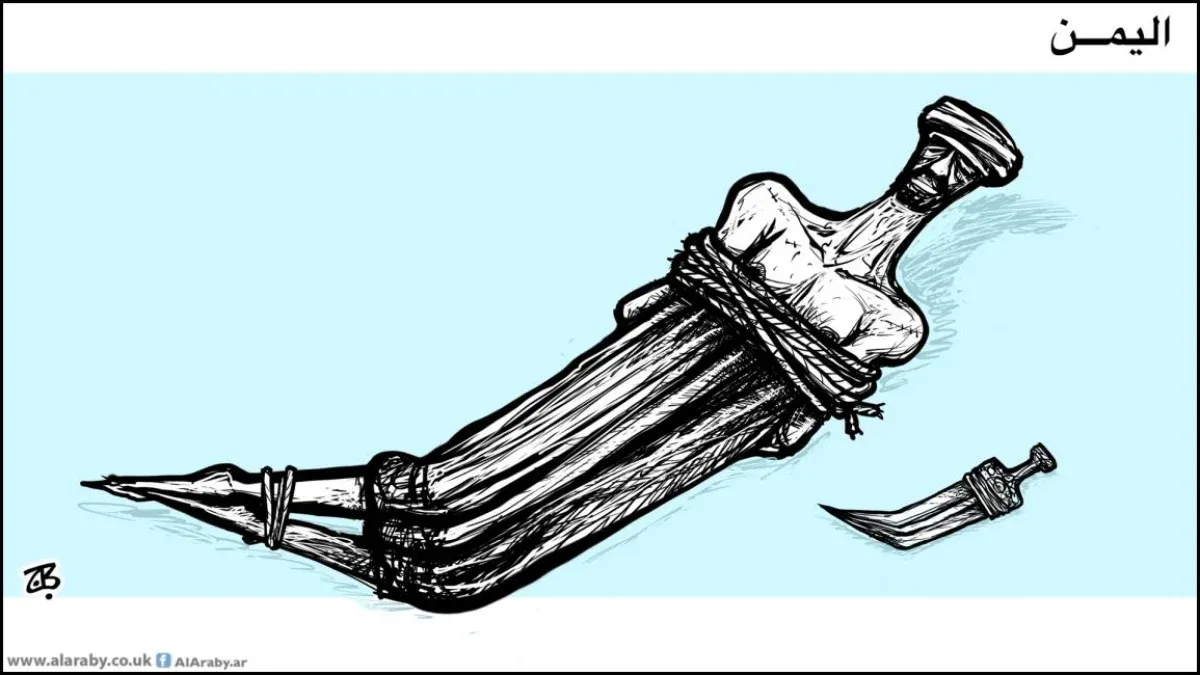
In a war-ravaged country, the problem appears to be less about a shortage of charters and agreements and more about the lack of their enforcement, continued impunity, and the failure of local and international initiatives to provide effective protection for civilians. While tribal sheikhs launched their charter from Geneva, Yemenis within the country continued to await actions that would translate those slogans into genuine protection, put an end to violations, and restore the tribe's role in defending society, rather than merely representing it at international conferences.