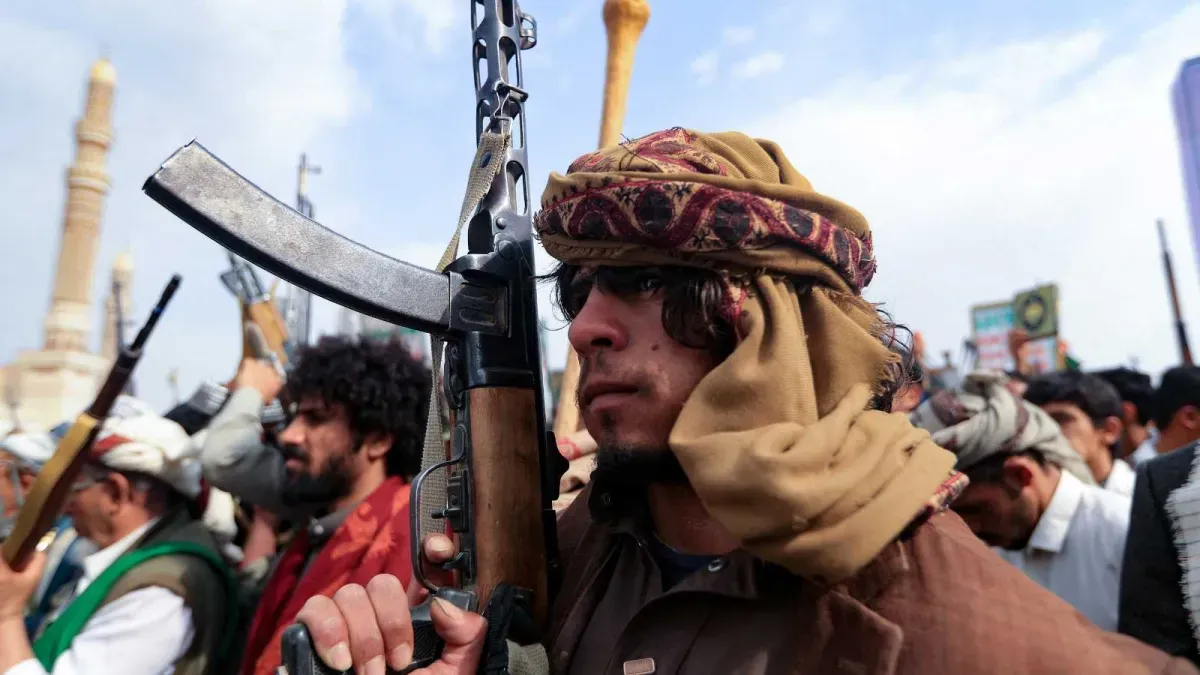
The upcoming US midterm elections extend beyond partisan contests for congressional seats, significantly impacting critical issues concerning Yemen, including immigration restrictions, the future of the confrontation with the Houthi militia, and the level of American support for the Yemeni government. These matters are intrinsically linked to Washington's calculations regarding Iran and the security of international shipping in the Red Sea.
An analysis published by "Erem News" raises questions about the ramifications of these elections for Yemen. The interests of the Yemeni and Arab communities within the United States intersect with the US administration's immigration and national security policies. Meanwhile, Yemeni factions are closely monitoring how new congressional power balances might influence President Donald Trump's policy toward the Houthis.
The elections, scheduled for November 3rd, hold exceptional importance as they will determine the composition of Congress for the final two years of Trump's term. The outcomes will affect the administration's ability to pass legislation and budgets, and will shape the extent of congressional oversight on its decisions, particularly concerning military and foreign policy matters.
Internally, the Yemeni diaspora in the US faces a political paradox. While the 2024 presidential elections saw shifts in voting patterns among Arab and Muslim voters, especially in swing states like Michigan, these communities are now contending with stringent immigration restrictions affecting citizens from their home countries, prominently Yemen. The US Department of State has announced the suspension of visa issuance for Yemeni citizens as part of broader measures impacting other nations. These expanded restrictions, effective January 1, 2026, encompass both immigrant and non-immigrant visas, with specific exceptions.
The implications of these measures extend beyond those seeking to relocate to the United States, affecting family reunification, visits, educational pursuits, and socio-economic ties between Yemenis domestically and abroad. This reality presents Yemeni, Arab, and Muslim voters with a new political test, where their electoral choices are increasingly influenced by direct issues such as immigration, family reunification, the economy, foreign policy, and stances on regional conflicts. In the 2024 elections, segments of Arab and Muslim voters leaned towards supporting Trump, influenced by factors including the Gaza war, economic conditions, and social issues. However, subsequent immigration policies have raised questions about the alignment of electoral promises with the administration's actions post-inauguration.
Consequently, immigration restrictions could become a significant factor in reassessing electoral positions, particularly in districts with a notable presence of Arab and Muslim voters, thereby integrating diaspora concerns into US domestic political calculations rather than treating them solely as humanitarian or consular matters.
Regarding the Yemeni file, the elections occur amidst a more assertive policy by the Trump administration toward the Houthis. This began with an executive order in January 2025 to re-designate the group under the terrorism track, culminating in the State Department's declaration of the group as a Foreign Terrorist Organization in March of the same year. This action was accompanied by a broad US military campaign targeting Houthi positions and capabilities between March and May 2025, signifying Washington's shift towards direct military pressure, alongside economic sanctions and efforts to disrupt financing and supply networks.
Although direct confrontation between the parties concluded with a mediated agreement by the Sultanate of Oman in May 2025, challenges related to Houthi missile and drone capabilities persist, as do US and regional concerns over navigation security in the Red Sea and the Bab al-Mandeb strait. The composition of the new Congress is crucial here. A Republican majority could grant the Trump administration greater political latitude to advance its agendas concerning sanctions, defense spending, and foreign policy. Conversely, a Democratic takeover of the House or Senate might lead to increased scrutiny of military decisions and broader discussions on the costs, legal and strategic objectives, and humanitarian implications of operations.
A change in congressional majority does not necessarily guarantee a shift in US policy toward the Houthis, as the President retains broad authority in managing foreign policy and utilizing executive powers. Congressional influence also depends on the nature of proposed decisions, required budgets, and the extent of bipartisan consensus on security threats. However, Democratic control of either chamber could increase the cost of passing new military funding or operational expansion measures. It would also grant lawmakers greater scope to summon officials and investigate executive decisions, particularly given that some legislators have previously raised objections to military strikes conducted without prior congressional authorization.
The future of the confrontation with the Houthis cannot be separated from the dynamics of US-Iran relations. Washington views the group's missile and drone capabilities, along with its associated supply networks, as part of the security challenges linked to Iranian influence in the region. This equation suggests that any US hardening toward Tehran could be reflected in increased pressure on Houthi funding, armament sources, and networks for transferring military components. Conversely, any negotiation pathway between Washington and Tehran might lead to different calculations, without necessarily implying a reduction in pressure on the group or overlooking its threats to international navigation.
The gravity of this issue lies in the fact that the Houthis are no longer merely a local actor in the Yemeni conflict. Their military and maritime activities have become integrated into regional and international security considerations. Consequently, engagement with them is tied to US interests extending beyond Yemen's borders, primarily the protection of American forces and allies, and the safeguarding of global trade routes. In parallel, the internationally recognized Yemeni government and its Presidential Leadership Council await the election outcomes, needing continued political, diplomatic, and military support to bolster government forces, combat arms smuggling, protect maritime lanes, and aid in restoring state institutions.
The prospect of Washington becoming preoccupied with internal divisions or a diminished focus on Yemen raises concerns about the impact on the level of support provided to the government, especially given the multiplicity of regional and international crises and the competing priorities of US foreign policy. Any decline in US attention to Yemen could afford the Houthis greater room for political and military maneuverability and weaken international pressure aimed at curbing their capabilities and financing networks, at a time when the Yemeni government still confronts complex military, economic, and institutional challenges.