United Nations statements are increasingly characterized by a lack of decisive action, while Houthi abuses persist, leaving the Yemeni population to bear the devastating consequences. This pattern highlights a significant disconnect between international warnings and the limited measures implemented to protect civilians.
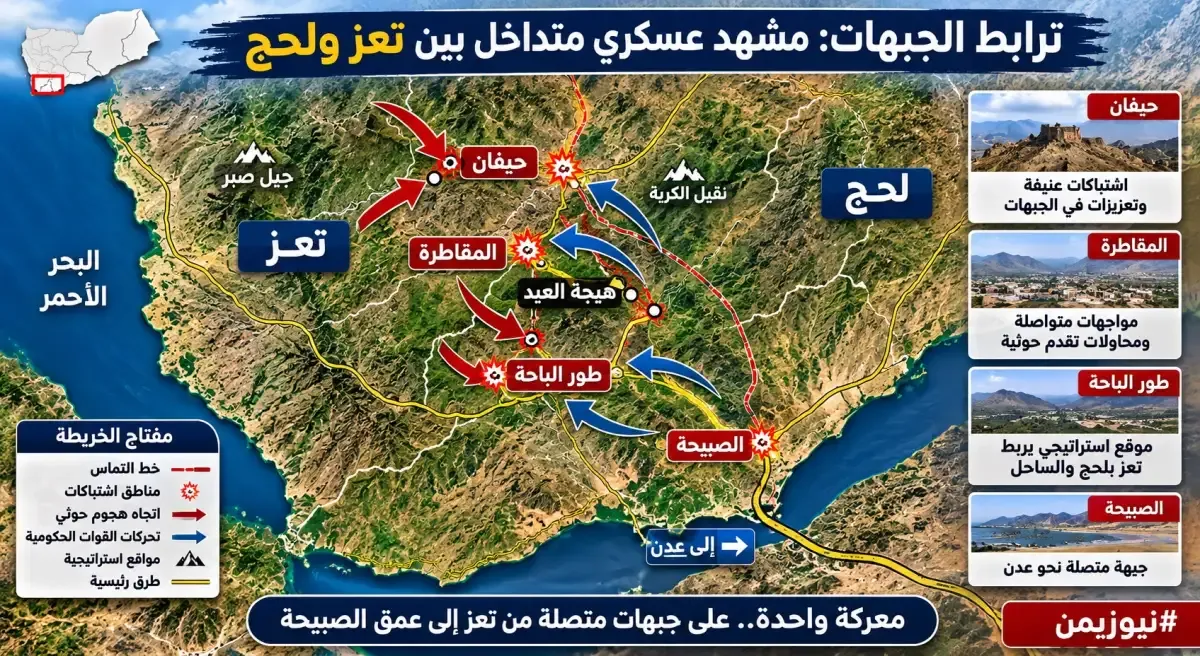
As warnings escalate regarding a dire humanitarian and health crisis threatening hundreds of thousands in Taiz, the Houthi militia continues its siege of the city and commits grave violations against civilians. The United Nations recently reiterated its concerns about the rapidly deteriorating health and humanitarian situation in Taiz, reporting that approximately a quarter of a million people, including over 186,000 children under five and 23,000 pregnant women, are deprived of access to basic healthcare. Twelve hospitals are reportedly at risk of closure due to shortages of fuel and medical supplies.
UN spokesperson Stéphane Dujarric noted that the closure of roads leading to Taiz and the disruption of commercial and humanitarian supply lines have exacerbated the health crisis. He pointed to over 1,400 cases of acute diarrhea and suspected cholera recorded in a single week. Despite the gravity of these figures, the UN's response appears confined to issuing warnings, expressing concern, and making repeated calls for civilian protection and aid access, without announcing concrete, coercive measures to end the siege and compel the Houthi militia to open the roads and lift the restrictions that deny residents basic necessities.
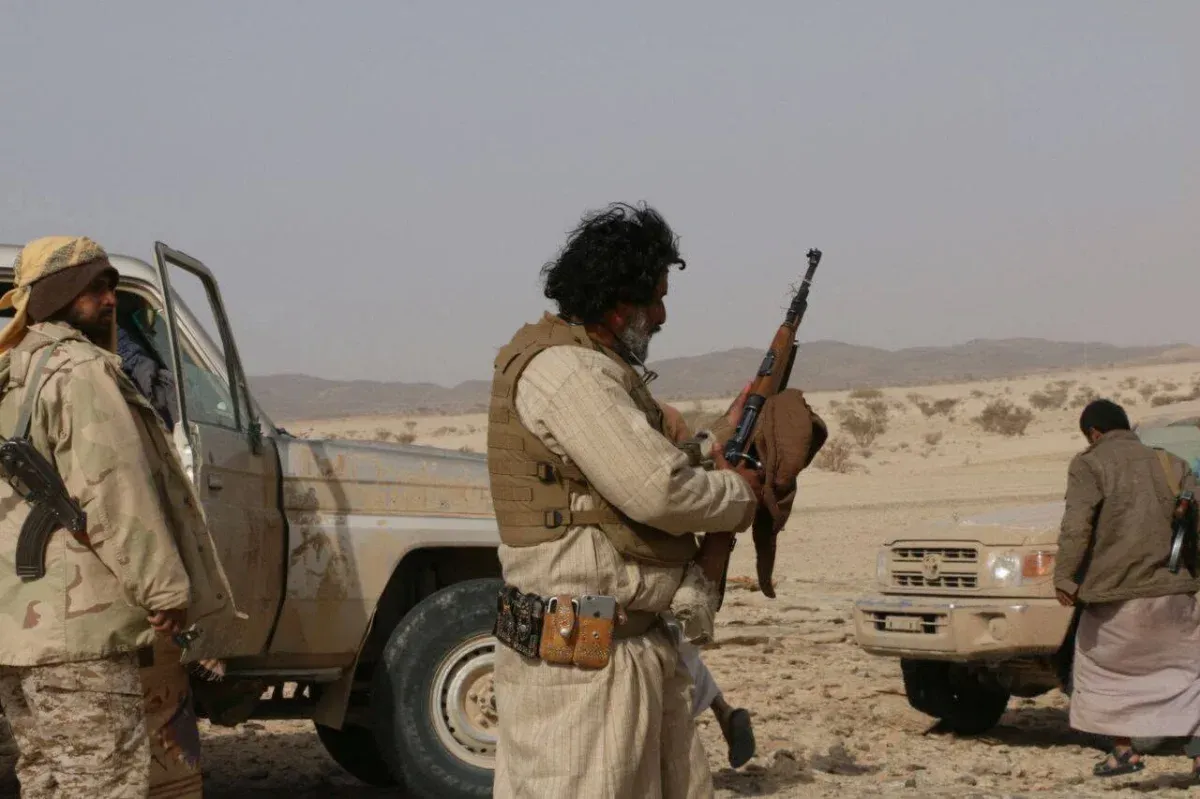
This approach by the UN raises persistent questions about the efficacy of merely documenting suffering and warning of its repercussions, especially as Houthi violations continue systematically. These include shelling residential areas, targeting civilians and medical personnel, planting landmines, bombing homes and facilities, and carrying out public executions, alongside other abuses affecting populations in Houthi-controlled areas and those near front lines. The siege on Taiz extends beyond hindering movement and supplies; it multiplies the economic and health burdens on residents, obstructs access to hospitals for the sick, and places children, women, and the elderly at increased risk amid declining healthcare facility capabilities.
The consequences of this siege evoke comparisons to the humanitarian tragedy in Gaza, where restrictions on movement and supplies have deepened civilian suffering and threatened essential services, albeit with different conflict dynamics and contexts. In Taiz, the danger is not limited to shortages of food, medicine, and fuel but extends to the entire healthcare system, with hospitals nearing operational cessation and hundreds of thousands being denied medical services.
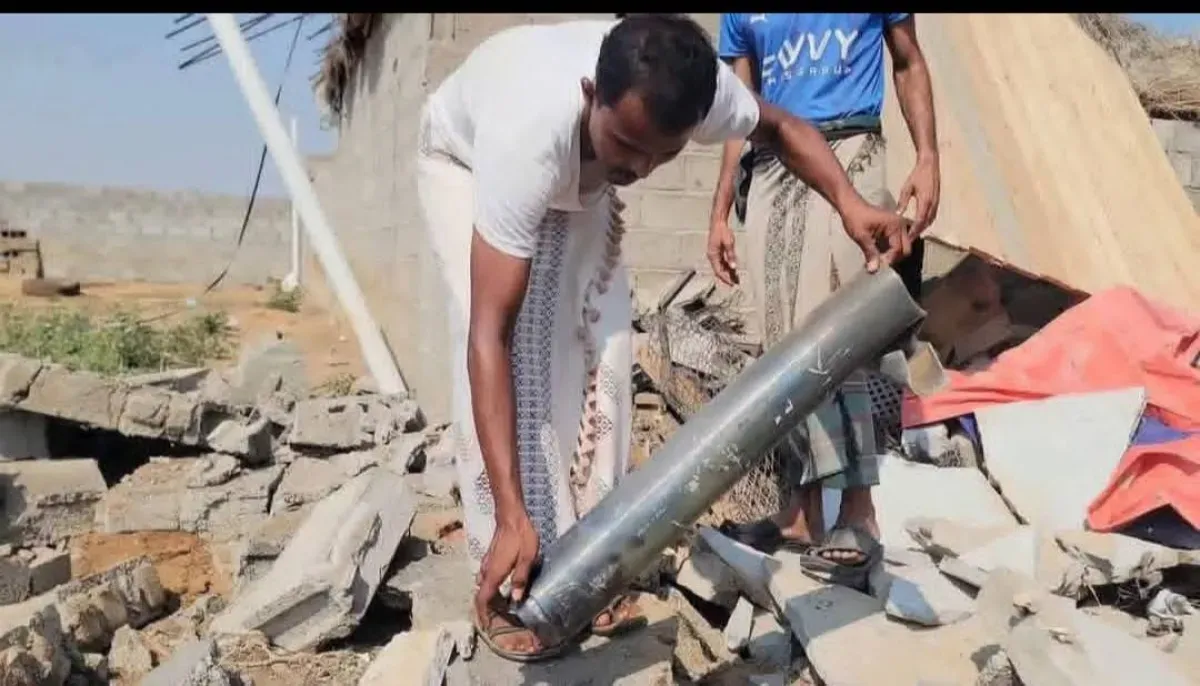
Further highlighting what human rights advocates describe as selectivity and excessive caution in UN stances, UNICEF's statement regarding a missile attack on the Al-Suqayyah health center in Lahj province, which killed five people including three healthcare workers and injured 15 others, offered little more than expressions of concern. The organization described the incident as worrying and emphasized the need to protect health facilities and workers, but it did not name the Houthi militia, despite the Yemeni Ministry of Health holding them responsible for the attack, nor did it include explicit condemnation or calls for accountability.
This position is particularly significant given that the health center receives UNICEF support and provides essential services to approximately 1,737 individuals, including children. Targeting such a facility not only endangers its staff but also deprives a community of vital healthcare. The contrast between the UN's warnings about Taiz and its reaction to the Al-Suqayyah attack reveals a problematic aspect of international discourse, which often focuses on the human impact of violations while avoiding clear identification of perpetrators, thereby weakening accountability messages and raising doubts about the UN's effectiveness in protecting civilians.
Human rights activists question the UN's continued treatment of Houthi violations as mere humanitarian emergencies, rather than as violations demanding accountability. They warn that repeated expressions of concern without deterrent actions provide the militia with impunity to continue its abuses without facing consequences commensurate with the scale of the crimes. Rights advocates argue that protecting civilians requires clear stances that name responsible parties, document crimes, push for accountability, and utilize available political and legal tools to pressure for an end to the targeting of civilians and health facilities, and for the opening of roads. Human rights activist Suleiman Barakat stated, "What is astonishing is that the UN and its organizations have become adept at describing the humanitarian disasters caused by the Houthis, but they often avoid naming those responsible or taking clear positions. How can we talk about protecting civilians while Taiz is besieged, hospitals and medical staff are targeted, and civilians are killed by shells and mines, and the UN's response ends with expressing concern?" He added that relying solely on warnings and statements does not provide protection to victims or deter perpetrators. The UNICEF statement regarding the Al-Suqayyah attack is a clear example, as the organization mentioned casualties but failed to name the responsible party, despite Yemeni health authorities identifying the Houthi militia as the perpetrators. "We are not asking the UN to exceed its humanitarian role, but we are asking it to fulfill its human rights and legal responsibilities, and not to deal with all parties with a general language that obscures responsibility. Humanitarian neutrality does not mean silence about naming criminals, and protecting civilians is not achieved by equating the victim with the aggressor, but by documenting violations, identifying those responsible, and working diligently to prevent their recurrence and hold perpetrators accountable."