Pakistan's political and military leadership are apprehensive following the Democratic Party's gains in the recent US congressional elections, fearing increased scrutiny of their administration's relationship with the White House. Conversely, ordinary Pakistanis are expressing hope that a shift in Washington may alleviate the nation's cost-of-living crisis.
Ordinary citizens interviewed by Reuters after the vote indicated a desire for a change in US policy that they believe could positively impact Pakistan, a nation heavily reliant on imports. The current global economic climate, exacerbated by war-related oil price increases, has placed a significant burden on households.
"We believe meaningful negotiations with the current US administration are not possible, and the ongoing bloodshed will not end until there is a change in [the US] government," stated Karachi resident Sajjad Ali. He added, "We want peace, economic improvement and a reduction in the rising oil prices." Another resident, Asim Zafar, expressed hope that the election results would curb the influence of President Trump, potentially leading to policy changes that could benefit Muslim countries.
However, analysts suggest the outcome presents a more complex challenge for Pakistan's government and military. The nation had actively cultivated a close relationship with the Trump administration, notably through its role in mediating dialogues concerning Iran. While this approach secured access to the White House, it has not yet yielded substantial economic benefits. The prospect of congressional oversight now looms over Islamabad's dealings with Trump's inner circle, potentially jeopardizing anticipated rewards.
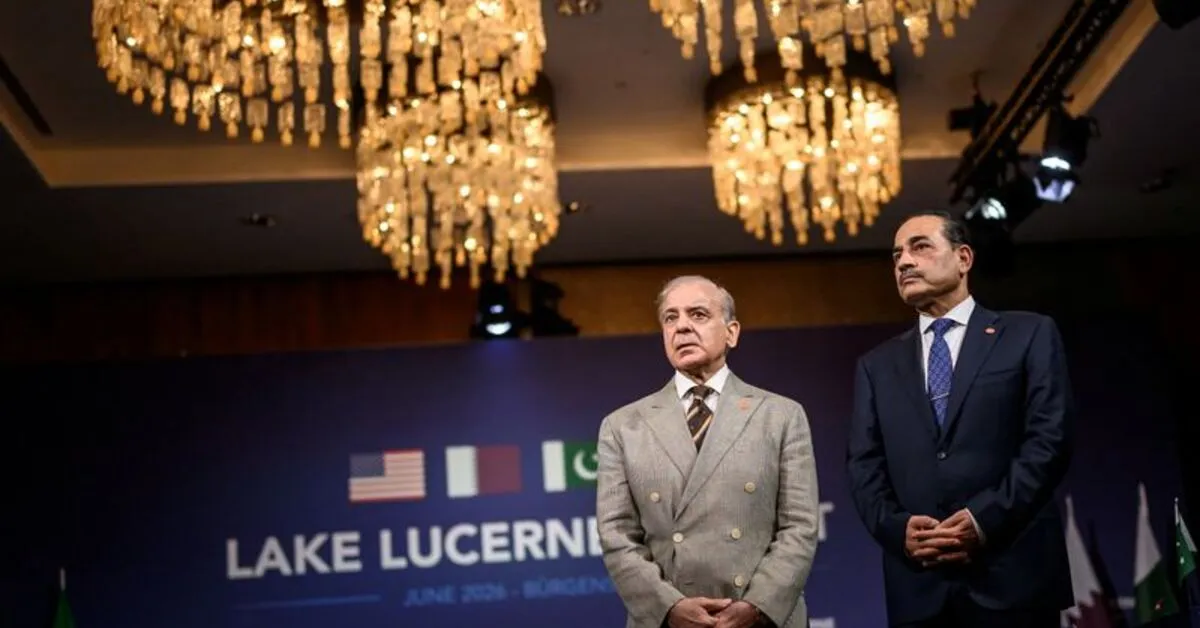
Pakistan's strategic engagement with the Trump administration, centered on Army Chief Asim Munir's interactions with President Trump, extended beyond security to encompass potential cooperation in mining, energy, and cryptocurrency. The nation's efforts to support Trump's initiatives, including nominating him for the Nobel Peace Prize and its role in relaying messages between the US and Iran, have yet to translate into tangible economic advantages for Pakistan. While a US Export-Import Bank approval for a copper and gold project was secured, a significant request for a US Treasury facility remains unaddressed.
The nature of some recent Pakistani agreements, which involve entities linked to President Trump's family and associates, introduces political risks. These include memorandums of understanding concerning payments in a Trump-affiliated stablecoin and redevelopment projects involving a hotel, as well as drone orders with a company partially owned by Trump's sons. While the White House has previously addressed potential conflicts of interest, experts warn that such arrangements, if perceived as driven by private interests, could complicate the broader bilateral relationship.
Analysts suggest Pakistan may still possess avenues for diplomatic engagement. Michael Kugelman of the Atlantic Council noted that Pakistan's counterterrorism cooperation and its diplomatic role in Iran have historically garnered bipartisan support in the US. He cautioned, however, that Pakistan's concentrated focus on the White House might leave it less prepared to engage effectively with a Democratic administration.