Bahraini authorities have initiated a crackdown on Shia Muslim clerics, accusing them of fostering allegiance to Iran and undermining national sovereignty following Iran's recent attacks on the island nation. The move has been framed by officials as a necessary defense against foreign interference, while critics and human rights groups express concern over restrictions on free speech and religious freedom.
Officials in Bahrain, a Gulf island state ruled by a Sunni monarchy with a majority Shia population, have stated that Iran seeks to destabilize and overthrow their government. Lt. Gen. Tariq Al Hassan, head of Bahrain's Public Security agency, told Reuters that the nation is confronting an ideology demanding obedience to Iran's leadership above Bahrain's sovereign authority. This crackdown signifies the regional instability exacerbated by Iran's recent conflict, impacting U.S. allies who did not support the war but have faced Iranian retaliatory actions.
The recent actions represent a reversal of a period of detente in Bahrain. In 2024, the government had released hundreds of political prisoners and initiated talks with Iran to restore diplomatic ties severed in 2016. However, divisions are reportedly deepening, particularly among some Shia Bahrainis who claim they are being persecuted for their beliefs. A relative of one of the clerics facing trial, speaking anonymously, stated that the government is targeting Shias and those who criticize American or Israeli actions related to the ongoing war.
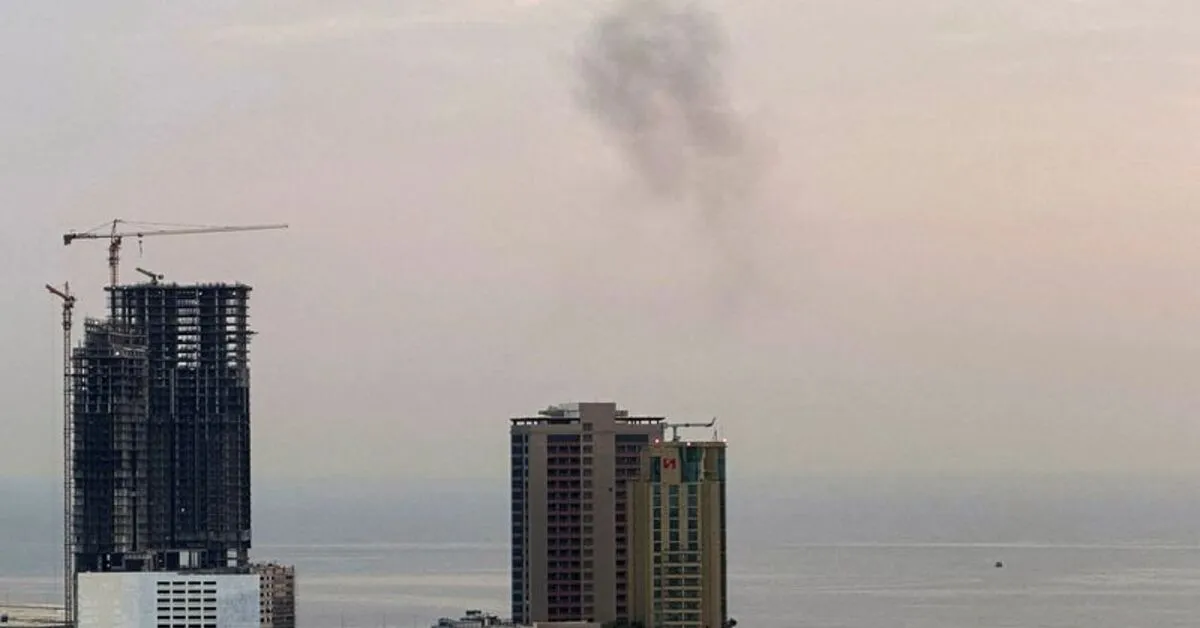
Bahrain has historically been apprehensive of Iranian influence, situated across the Gulf from Iran. The nation's current ruling family expelled its previous ruler nearly 250 years ago, who was subservient to the Persian empire, and Iran continued to claim Bahrain as a province until the 1970s. Since the 1979 Iranian Revolution, Bahrain's neighbors have viewed it as a frontline against Iranian expansion. The recent drone and missile strikes by Iran on neighboring Gulf states, including Bahrain, were perceived as worryingly accurate by Bahraini authorities, especially after social media posts by some Bahrainis appeared to praise attacks targeting U.S. interests.
Authorities suspect internal assistance for the attacks and view public support for them as treasonous. Approximately a dozen individuals have already received prison sentences ranging from five to ten years for allegedly expressing support for the attacks. Lt. Gen. Al Hassan stated that the war exposed the extent to which some individuals had been indoctrinated by Iran-linked ideology, specifically mentioning the concept of "Wilayet al-Faqih" (Guardianship of the Jurist), Iran's official ideology, which he claims fosters allegiance to a foreign state within parts of Bahraini society.
Between May and June, over 50 clerics and religious speakers were arrested, accused of attempting to operate a terrorist group with the support of Iran's Islamic Revolutionary Guard Corps to incite rebellion and overthrow the government. Relatives and lawyers of the clerics deny these charges, asserting that Bahraini authorities are attempting to criminalize religious belief. A statement released by 20 rights groups, including Human Rights Watch, raised concerns about alleged torture, coerced confessions, and due process violations, calling the mass prosecution a serious concern for religious persecution targeting Bahrain's Shia community.