A comprehensive UN report details how the Houthi militia is exploiting commercial shipments and dual-use civilian materials to develop its missile and drone capabilities, shifting from smuggling finished weapons to importing manufacturing components.
Political analyst Samir Al-Youssefi, in an extensive analysis of the UN Panel of Experts on Yemen's report (S/2026/712), highlights how weapon components are concealed within commercial goods. Aircraft engines, control systems, industrial equipment, and chemical materials are being repurposed for drone and missile production, leveraging loopholes in customs oversight, multiple intermediaries, and complex supply routes.
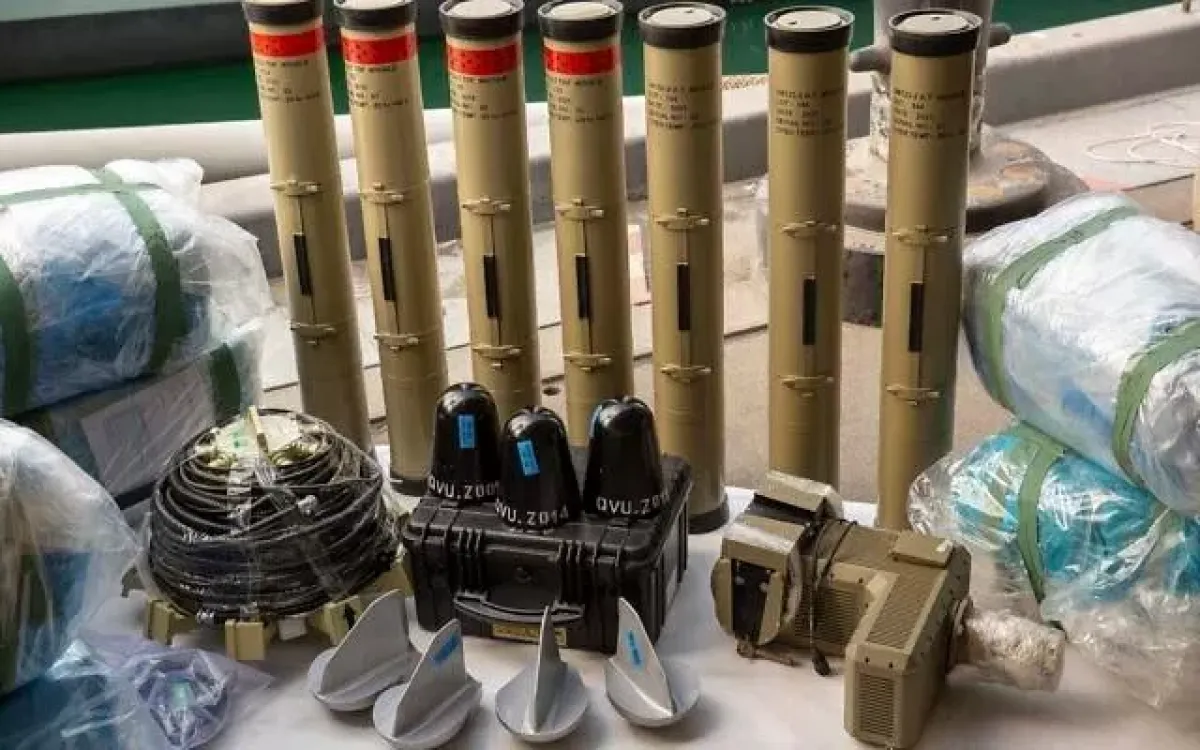
The UN report documents numerous smuggling operations, including the seizure of 100 DLE-170 engines in December 2022, hidden within a shipment declared as clothing at the Al-Wadiah border crossing with Oman. These engines were subsequently found to be linked to the operation of offensive drones. The analysis indicates a progressive shift by the Houthis from importing drones and their components to assembling some systems locally, using a combination of available Yemeni materials and imported technical components. This allows for continued production despite interdiction efforts.
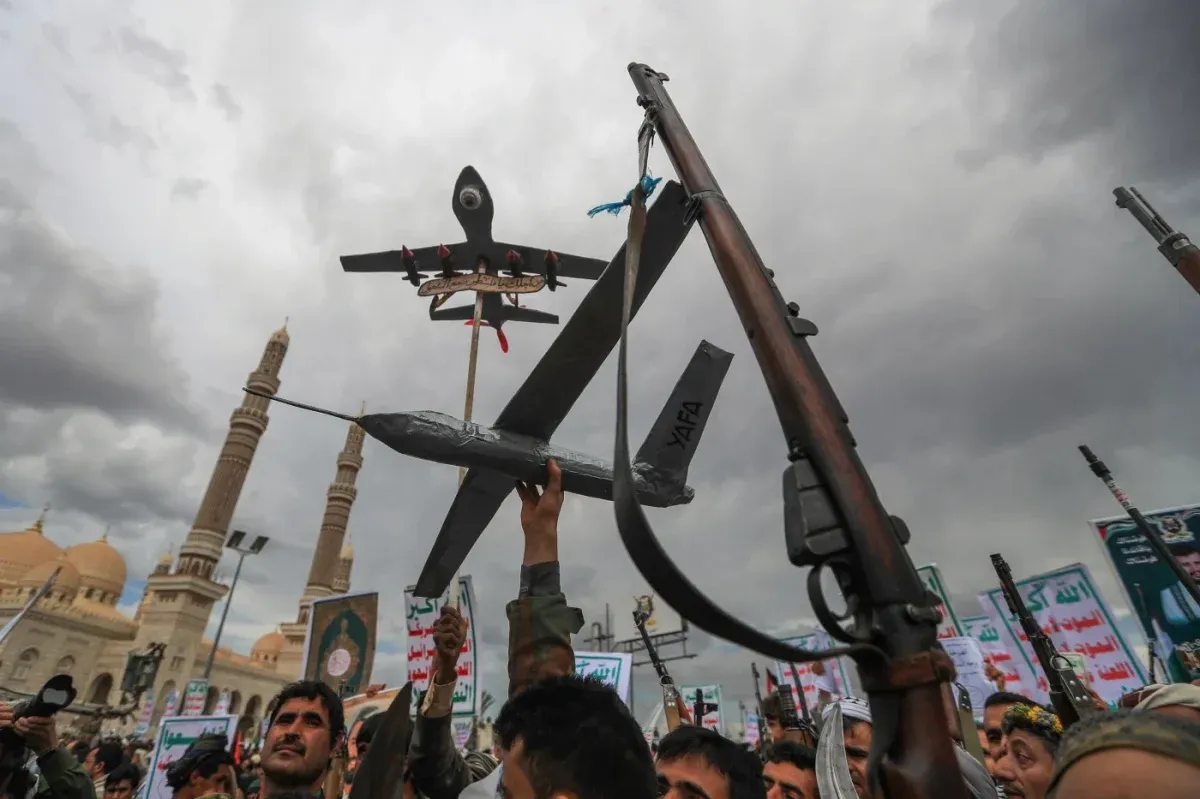
Evidence of this shift is seen in the evolution of the "Qasef-1" drone. Technical examinations of 2018 versions revealed crude fiberglass airframes, rudimentary electronic boards, and commercial components differing from original specifications, suggesting local assembly. By 2020, the Panel concluded that Houthis were manufacturing "Qasef" drones within their controlled territories, utilizing local materials and high-value imported components, while expanding drone capabilities in range and armament, leading to long-range models used in cross-border attacks.
Further seizures underscore the reliance on smuggling networks. In January 2025, five engines and five flight controllers were found hidden within a shipment declared as fabrics. The same year, Yemeni forces intercepted a vessel carrying 105 engines and other components disguised in misleading commercial shipments. The report also notes the use of open-source civilian flight controllers, such as "Pixhawk," in Houthi drones, bearing trademarks suggesting civilian applications, thereby exploiting the discrepancy between declared commercial use and actual military function.
A more alarming development involves maritime shipments intercepted by Yemeni authorities in Aden in August 2025, bound for Hodeidah port. These included specialized industrial manufacturing equipment and raw materials whose true nature was not declared. Seized items included industrial electrical analyzers made of titanium, a nitrogen generator, an industrial chiller, and air separation equipment designed for explosive and corrosive environments. The Panel suggests these might be intended for a production line of chemicals for solid rocket propellant, such as sodium chlorate and ammonium perchlorate, raising concerns about the Houthis' capability to localize the production of some rocket propellant inputs.
The analysis highlights the paradoxical use of simple civilian materials like table salt and electricity as potential precursors for producing sodium chlorate, which can be used in solid rocket fuel oxidizers. However, seizures do not confirm the operation of a functional plant, and these materials alone do not constitute complete rocket fuel. Previous incidents, including the interception of approximately 65 tons of ammonium perchlorate in the Gulf of Oman in November 2022 hidden in a fertilizer shipment, and the seizure of nearly five tons of aluminum powder and other suspected weapon components in Aden in February 2023, reinforce these concerns. The report also documented the interception of a weapons shipment in June 2025 heading to Al-Salif port, containing 80 inertial navigation systems for "Al-Quds" cruise missiles and two systems for "Barkan" ballistic missiles, indicating continued reliance on advanced imported technical components.
The sophistication of the Houthi supply chain lies not only in the nature of the smuggled components but also in its ability to exploit commercial markets and international supply chains, repurposing civilian products not typically subject to military restrictions. The militia benefits from multiple intermediaries, varied shipping routes, and the potential to substitute controlled components with commercial alternatives or reuse electronic parts from dismantled civilian devices. A significant challenge highlighted by the Panel is the difficulty in distinguishing between civilian and military needs, especially with the increasing import of lithium batteries, electronic components, and industrial devices that have widespread civilian applications but can also be diverted to Houthi military manufacturing programs. Yemen's imports of lithium-ion batteries have surged from about six tons in 2014 to 212 tons in 2024, while Houthi military manufacturing requirements are estimated to be hundreds of kilograms to a few tons annually, rendering traditional inspections insufficient for tracking militarily relevant components.
The Panel warns that this supply pattern complicates efforts to contain Houthi military capabilities, as the militia no longer needs to import complete weapon systems but can acquire disparate parts from civilian markets for assembly and repurposing in facilities under their control. In response to these challenges, the Panel recommended enhanced regional and international cooperation in monitoring supply chains, intelligence and customs data sharing, and improving the Yemeni government's technical capacity for analyzing chemical materials, seizures, and weapon debris to trace components, beneficiaries, and intermediaries involved in smuggling.
The Panel proposed creating two lists of dual-use materials: one with 24 items with significant civilian overlap and another with 20 items having limited civilian relevance, for further study in coordination with the Yemeni government and the UN Security Council's Sanctions Committee. These recommendations call for the international community to move beyond treating seized arms shipments as isolated smuggling incidents and instead focus on dismantling the procurement networks, financing channels, intermediaries, and transport routes that enable the Houthis to acquire military necessities from commercial markets. The report's findings reveal that the Houthi threat extends beyond their possession of missiles and drones to encompass a transnational supply network seeking to secure manufacturing components, raw materials, and expertise for ongoing military arsenal development, leveraging civilian trade to circumvent international restrictions. Ultimately, aircraft engines hidden among clothing, industrial equipment destined for Hodeidah, and chemicals usable in rocket fuel production paint a picture of an armament system feeding on civilian markets and exploiting international oversight gaps, making the pursuit of smuggling networks, supply sources, and beneficiaries a critical test of the international community's commitment to curbing Houthi military capabilities and their threats to Yemen, the region, and international navigation.