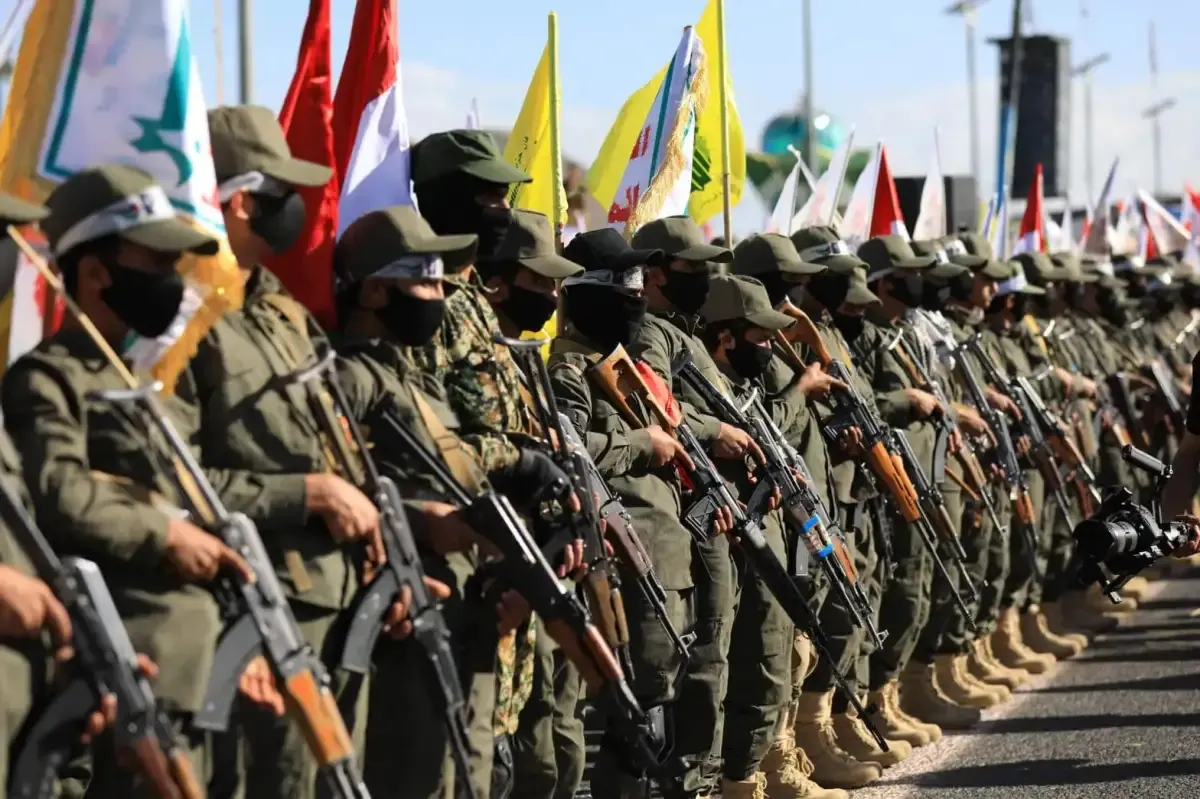
Analysis by the Institute for the Study of War (ISW) reveals an expanding Iranian military and advisory role in Yemen, with experts from Iran's Islamic Revolutionary Guard Corps (IRGC) and Hezbollah reportedly enhancing Houthi capabilities in missile technology, drone warfare, electronic warfare, and naval operations to serve Tehran's strategic objectives.
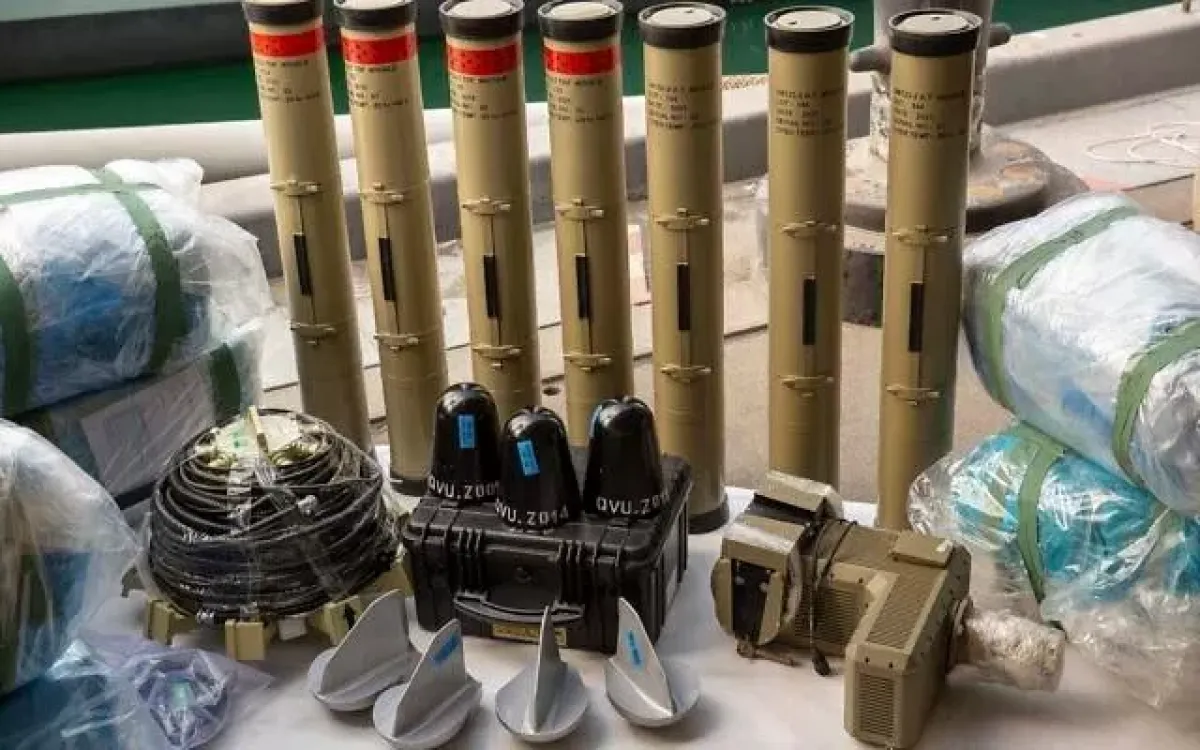
The support extended by Iran to the Houthi movement has reportedly moved beyond the provision of weaponry and technology to encompass strategic counsel, military coordination, and the development of offensive and intelligence capabilities. These advancements are seen as potentially deployable against commercial shipping, oil markets, and Yemeni government forces. The disclosure follows a Yemeni Interior Ministry announcement on November 3rd, identifying 14 IRGC officers and seven Hezbollah operatives as advisors operating within Houthi-controlled territories, suggesting a more direct foreign intervention in operational management and capacity building.
According to the ISW analysis, IRGC Brigadier General Abdolreza Shahla'i is among the figures coordinating efforts between the Houthis, Iran, and allied groups, while also offering strategic advice. He is reportedly working alongside a diplomatic advisor named Ali Mohammad Ramazani. The Iranian experts and their allies are focusing on specialized areas aligned with Tehran's priorities. Advisors in Hudaydah are working to advance Houthi naval capabilities, including submersible drones, naval drones, and maritime surveillance and targeting systems. The ISW warns that these capabilities could provide the Houthis with additional means to target vessels and threaten navigation routes in the Red Sea and Bab al-Mandab, particularly in scenarios of regional escalation where Iran might leverage the group to exert pressure.
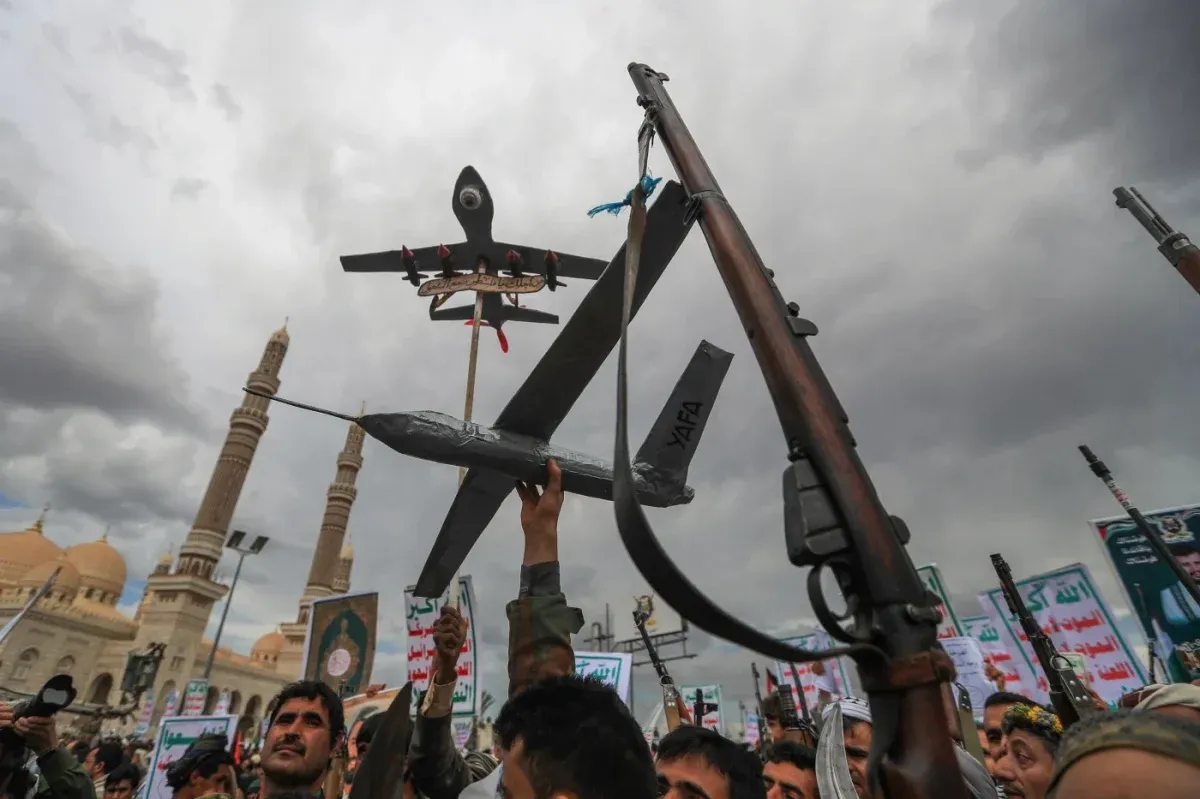
In the governorates of Amran and Sa'dah, other advisors are concentrating on developing long-range missiles and drones, capabilities previously employed by the Houthis in attacks against Saudi Arabia. The ISW suggests that Tehran might be incentivizing these attacks not only to pressure Riyadh in the context of the Yemeni conflict but also to influence energy markets and increase the cost of confrontation for the United States and its allies. A third group of advisors is engaged in military communications, electronic intelligence, and electronic warfare, with Hezbollah operatives Bilal Ahmad Shablak and Abbas Ali Haidar identified as participants. The ISW notes that these capabilities are not confined to maritime targets but are also applied in ground operations against government forces, citing instances of Houthi communication deception and the dissemination of misleading orders during advances near Taiz and on the west coast.
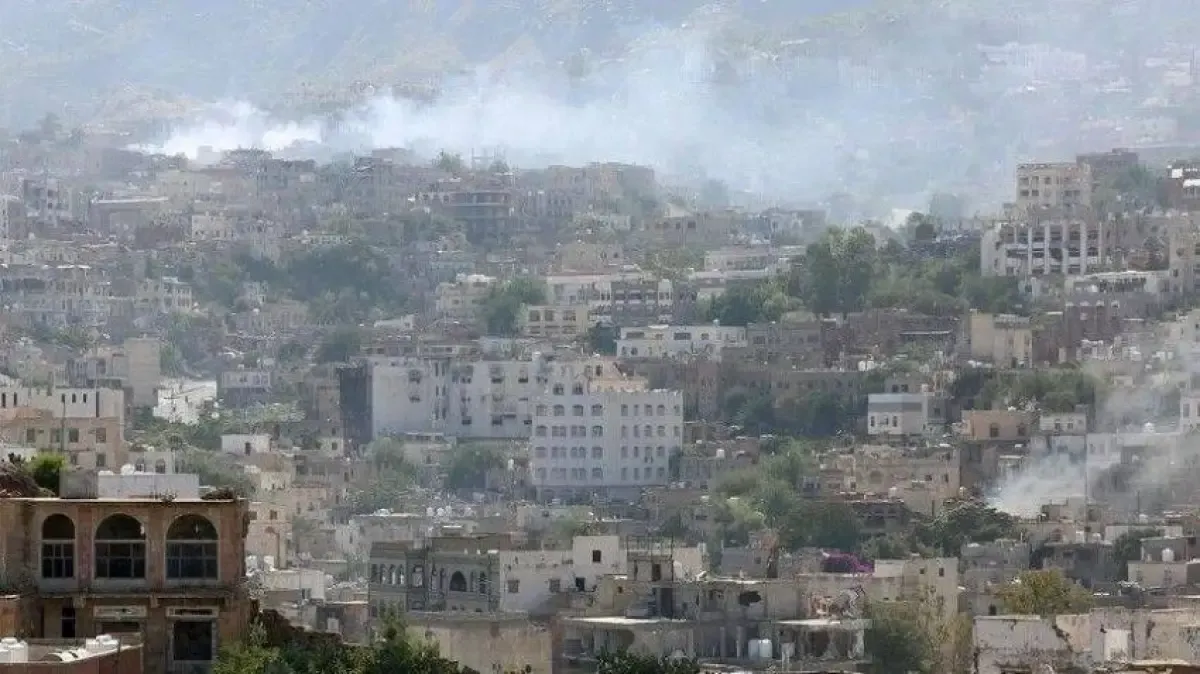
In a related development, an ISW update on November 6th highlighted the potential concentration of Houthi forces and military equipment in Al-Turbah, southeast of Taiz, in preparation for a large-scale offensive towards Lahij Governorate and proximity to Aden, the interim capital of the Yemeni government. An independent Yemeni journalist cited in the analysis reported that on November 5th, the group relocated military equipment from rural areas bordering Taiz and Lahij to Al-Turbah, coinciding with a relative decrease in combat activity along front lines in the Al-Maqaterah district. Reports of airstrikes targeting Houthi fighters and vehicles in the area were also noted.
The ISW analysis posits that Al-Turbah’s strategic location could enable the Houthis to consolidate reinforcements and supplies from their northern-controlled territories, while also facilitating attacks towards Al-Maqaterah or infiltration through secondary routes into government-held areas. However, any significant advance along this axis would likely face considerable geographical challenges, including mountainous terrain, rugged valleys, and narrow roads, which would impede military convoys and present opportunities for ambushes by local government forces. The analysis referenced Saudi airstrikes on October 30th that targeted a Houthi vehicle convoy attempting to advance along a contested line in the Hej al-Abd area, demonstrating the potential to disrupt Houthi military movements in the region through coordinated government forces and air support.