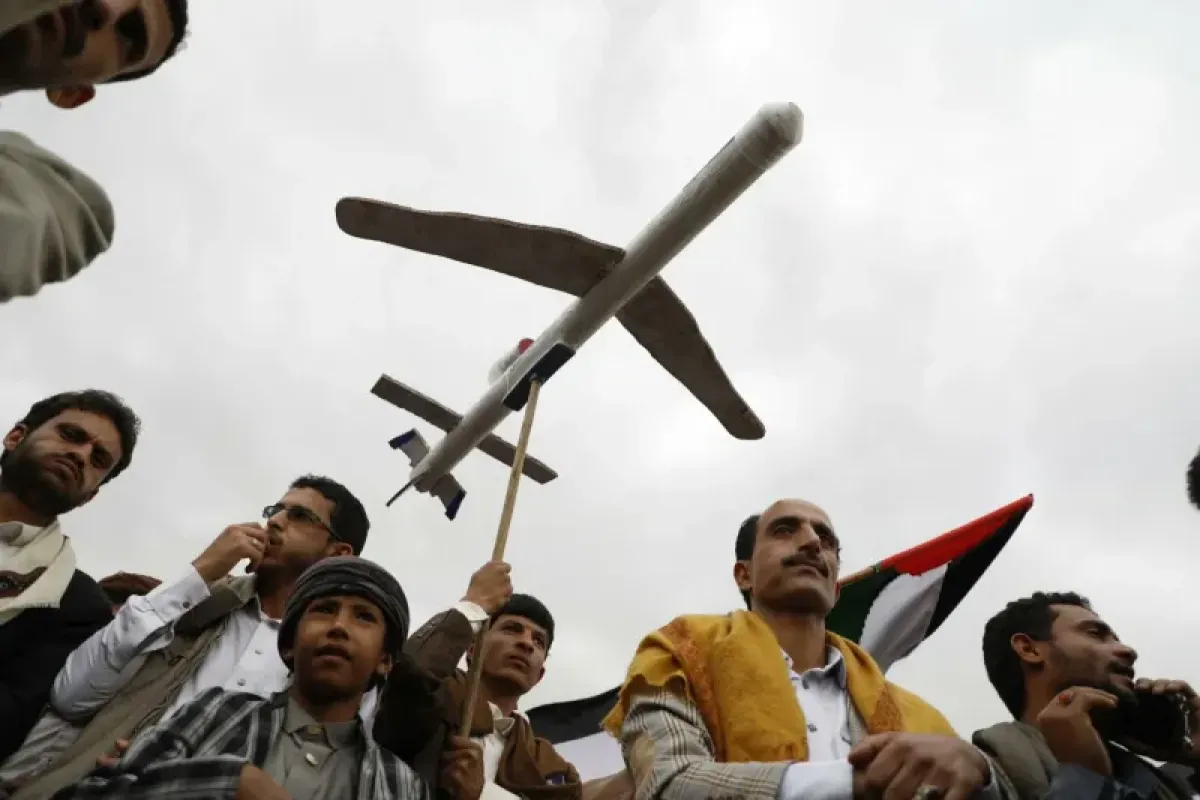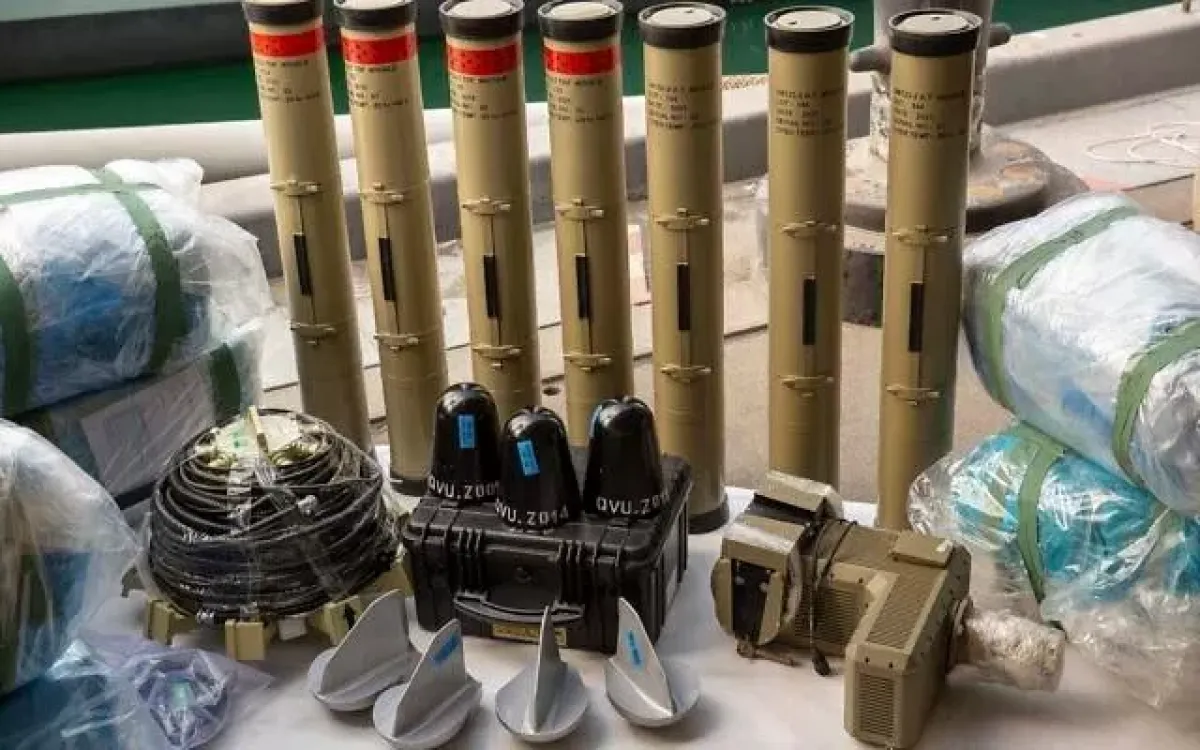
A United Nations report reveals that the Houthi militia is increasingly manufacturing and assembling weapons components within Yemen, exploiting international oversight gaps on commercial goods and dual-use technology. This shift from relying on arms smuggling to domestic production poses a significant challenge to interdiction efforts.
The report, compiled by a UN Panel of Experts on Yemen at the request of the Security Council, details how the Houthis are repurposing items available in civilian markets to develop drones, ballistic missiles, and cruise missiles. This strategy complicates supply chain interdiction and enhances the militia's capacity to replace lost weaponry.
The gravity of the situation lies not merely in the acquisition of military components, but in the Houthis' ability to transform widely traded civilian products into inputs for military manufacturing. These components include engines, batteries, sensors, navigation and communication systems, electronic processors, and flight control units—technologies with legitimate civilian applications. Furthermore, the militia is utilizing chemical precursors with legal uses in civilian sectors, which can be redirected for the production of explosives and rocket propellants. This allows them to bypass restrictions targeting finished weapons by importing raw materials for local processing and assembly.
This method signifies a qualitative transformation in the militia's operational approach. Instead of awaiting complete military systems through smuggling networks, the Houthis are now capable of deconstructing production chains into smaller components sourced from multiple origins, and then reassembling or developing them within their controlled territories. This decentralized approach makes tracking far more difficult, as components can arrive within ordinary commercial shipments or be disguised as electronic parts and products, their ultimate military destination obscured by their civilian nature.
The complexity of these networks is exacerbated by the global proliferation of dual-use products, the difficulty in distinguishing between legitimate civilian and military use, and the potential for altering or removing identifying marks. This situation creates vulnerabilities that Houthi smuggling networks exploit. The most concerning aspect of this domestic manufacturing growth is its reduction of the militia's dependence on ready-made weapons, granting them greater flexibility in rebuilding their arsenal. Consequently, existing sanctions, which primarily target complete weapons and equipment, may prove insufficient to halt the flow of inputs necessary for the militia's arms production.
The report presents the international community with a complex dilemma: how to prevent the conversion of civilian technology and materials into instruments of war without stifling Yemen's legitimate trade and humanitarian needs. The challenge is not about blocking clear military goods, but about managing components and materials that have dual legitimate industrial and military applications. The report advocates for enhanced information exchange among states, customs authorities, manufacturers, and suppliers, alongside improved traceability of sensitive components, rather than solely focusing on finished weapons.
The development of domestic manufacturing capabilities by the Houthis represents more than a technical evolution; it signifies an expansion of their capacity to sustain conflict, conduct long-range cross-border attacks, and threaten international navigation. As the militia increasingly manufactures its own weapon components, its reliance on importing complete military shipments diminishes, rendering interdiction efforts more complicated. The fundamental threat revealed by the report is not the arrival of individual missiles or drones, but the gradual formation of an entire production system under the guise of civilian commerce. This loophole in the sanctions regime means that while intercepting a finished weapon shipment might disrupt an operation, the continuous flow of numerous small commercial components can enable the militia to repeatedly rebuild its capabilities.