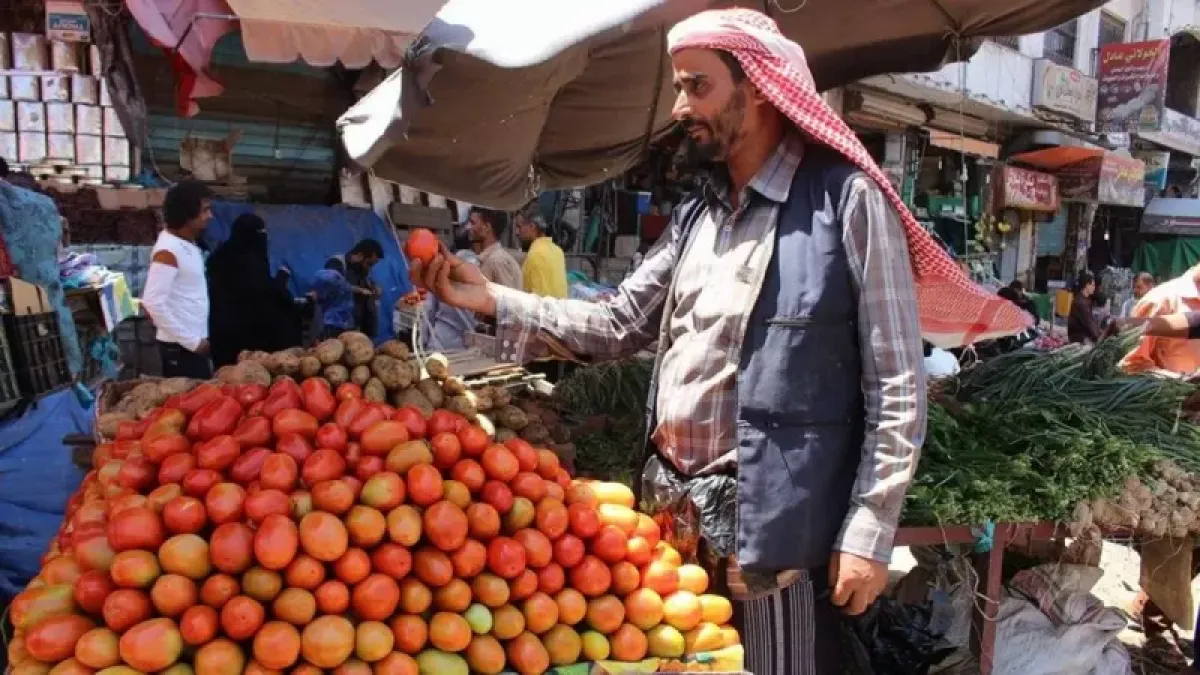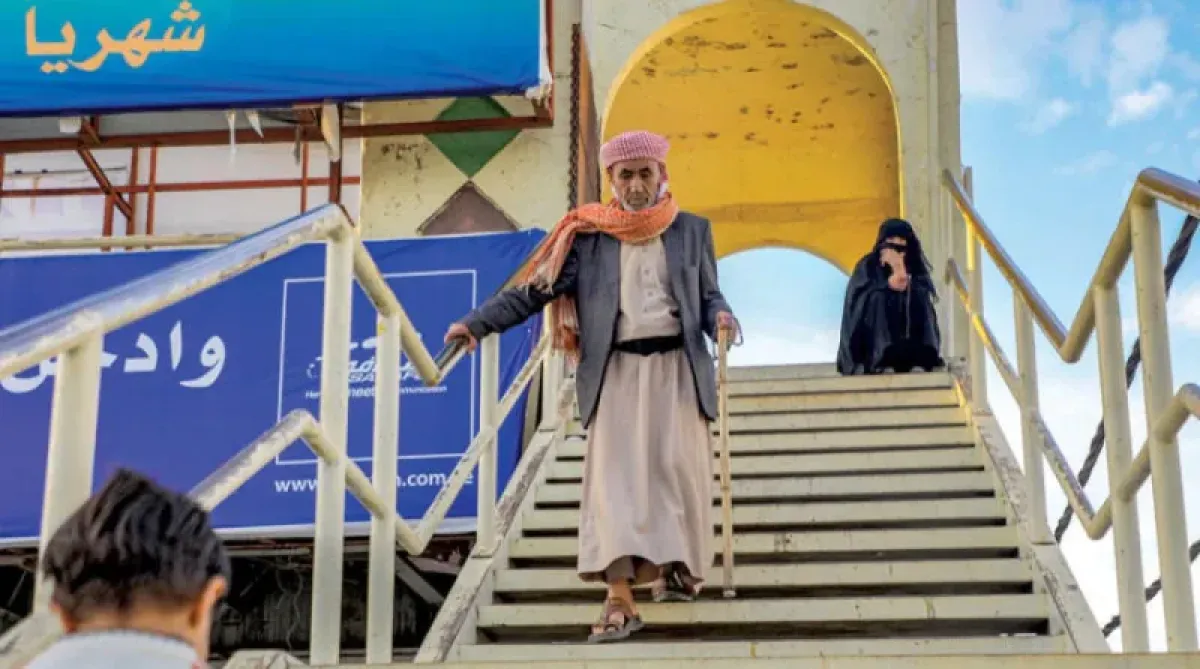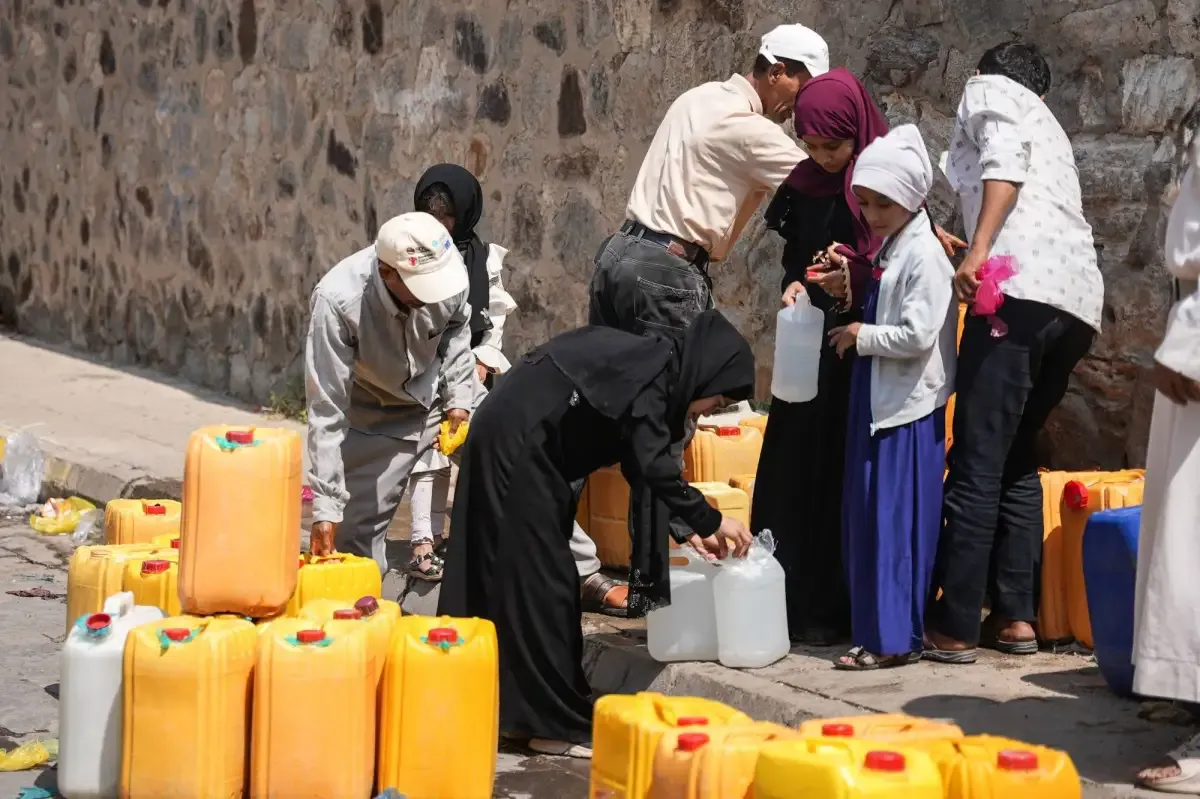
Residents of Taiz face a deepening humanitarian crisis as the Houthi blockade exacerbates hunger, cripples essential services, and threatens the lives of hundreds of thousands, particularly children.
The catastrophic humanitarian consequences of the Houthi terrorist militia's siege on Taiz are becoming increasingly apparent. Hunger is widespread, and health and environmental services are deteriorating, reflecting the immense suffering endured by civilians for years due to restrictions on movement and access to food, medicine, fuel, and essential supplies. The crisis in the besieged city extends beyond mobility challenges and high living costs to threaten fundamental survival, with hundreds of thousands of families facing severe food insecurity. A majority of health facilities have ceased operations, and hundreds of thousands of children are deprived of essential vaccinations, signaling a widening humanitarian danger.
Recent data from the World Food Programme (WFP) reveals an intensifying hunger crisis in Yemen. Approximately 76% of displaced families in Taiz governorate suffer from inadequate food consumption, while this figure ranges between 65% and 76% in five districts affected by confrontations. The WFP's food security update indicates that the proportion of households with poor food consumption in Taiz has risen from 29% last year to 36% currently, a direct consequence of deteriorating living conditions and escalating military actions, especially in areas most impacted by the conflict.
These statistics underscore how food has become a daily struggle for millions of Yemenis amid declining incomes and rising prices. Around 73% of households have resorted to coping strategies, including reducing meal frequency, purchasing cheaper food, skipping meals, and even reducing adult portions to prioritize children. The hardship is particularly severe for female-headed households, with 38% employing extreme coping mechanisms compared to 28% in male-headed households. Shockingly, 11% of displaced individuals reported that a family member spent a full day and night without eating, indicating alarming levels of food deprivation.
Parallel to the food crisis, the health situation in Taiz is deteriorating. The governorate's Medical and Environmental Committee has warned that over 80% of health facilities have stopped providing services due to fuel shortages, a lack of medical personnel, and insufficient supplies, compounded by the ongoing siege, road closures, and difficulties in transporting medicine and medical equipment. These assessments, based on field evaluations of 27 health facilities, highlight the risk of collapse for remaining operational facilities, further hindered by restrictions on patient movement, ambulance access, and the transport of medical supplies and fuel. The siege's repercussions extend to the general environment, with waste disposal sites outside the city inaccessible, increasing health and environmental risks for residents.
Concerningly, data from the governorate's Health Office up to November 1st shows a 26% increase in suspected dengue fever cases and a 22% rise in watery diarrhea cases. In one of the gravest threats to the future of children, Taiz Governor Nabeel Shamsan reported that approximately 347,000 children are being deprived of the measles vaccine, and 72,000 infants under one year old are missing routine immunizations. Shamsan warned that the continued blockade endangers these children and increases the likelihood of infectious disease outbreaks, describing their plight as "silent death" due to the decline in health services and the difficulty in accessing vaccines and medical supplies.
Adding to the tragedy, escalating displacement due to ongoing confrontations has seen over 313,000 internally displaced persons (IDPs), with approximately 69% from Taiz governorate. WFP reports that displaced families face more precarious conditions, having lost income sources and struggling to access food amidst high living costs. Nearly 29% of displaced households experience moderate to severe hunger, compared to 15% of resident households. This figure rose to 43% among IDPs in camps during September, up from 32% in August. These indicators reveal that Taiz is paying an escalating human price, not only from military clashes but also from the continued road closures and restrictions impeding essential supplies. This multiplies civilian suffering, making access to food, medicine, and transportation for medical care daily challenges.
Accusations are mounting against the Houthi militia for employing siege tactics, starvation, and restricting essential supplies as pressure points against the population. These practices make civilians, especially children, women, the displaced, and the sick, the most vulnerable in an unending conflict. While UN and local data expose the extent of nutritional and health collapse, Taiz's suffering stands as a testament to the exorbitant human cost of the ongoing blockade and the grave danger of weaponizing civilian necessities in the conflict. Demands persist for the lifting of the siege and ensuring unimpeded access for food, fuel, medicine, and vaccines.