Pakistani reservations regarding involvement in the Yemen conflict are highlighting the limits of military commitments within the Mecca Alliance, which includes Saudi Arabia, Pakistan, and Turkey. As the three nations prepare for a meeting in Islamabad, regional calculations on threat perception and response mechanisms reveal differing priorities.
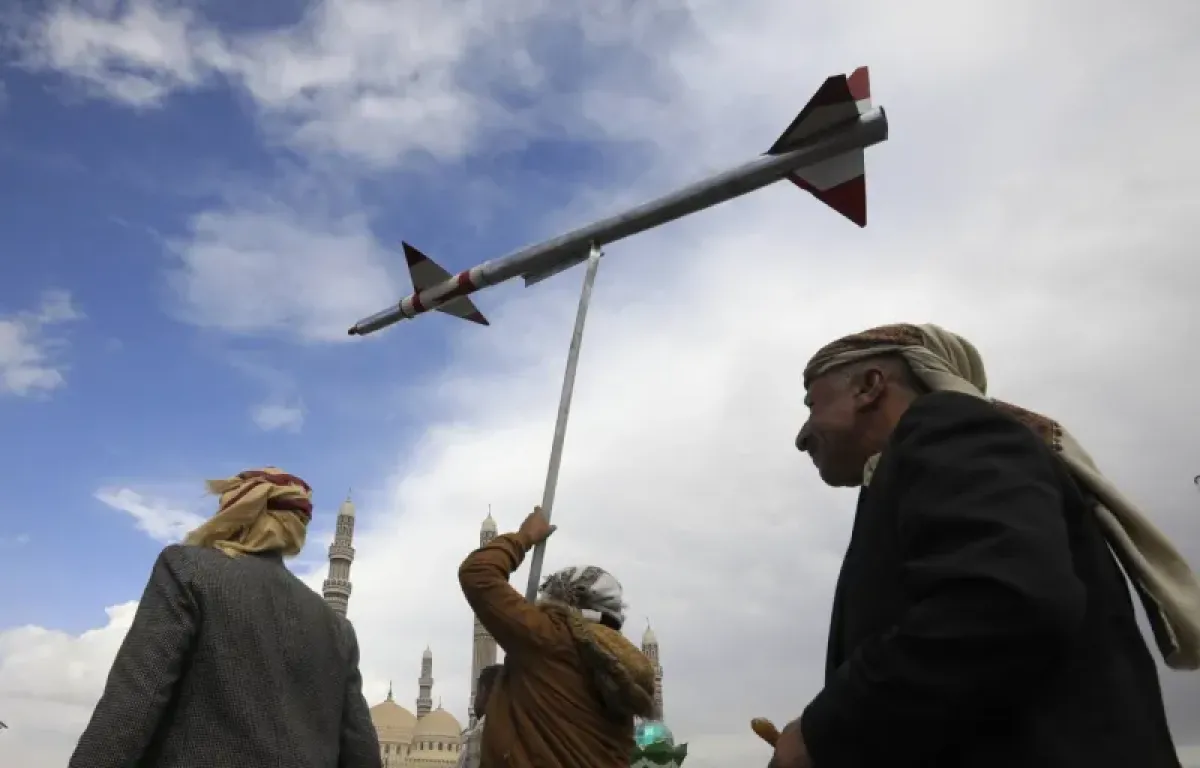
The Yemeni file presents a particularly sensitive test for the alliance. Riyadh seeks a defensive umbrella offering broader military support against threats, including attacks originating from Yemeni territory. However, Islamabad limits its stated commitment to defending Saudi territory and expresses reservations about participating in military operations within Yemen, wary of being drawn into an open regional confrontation.
This divergence is not about the fundamental Saudi-Pakistani partnership but rather the scope of commitments each party can offer and their willingness to bear the consequences of regional confrontations. Saudi Arabia aims to transform the defense agreement into practical guarantees, while Pakistan is keen to maintain its strategic relationship with Riyadh without compromising its regional balances. This is evident in Pakistan's stance on Yemen; the Pakistani Foreign Ministry has stated that the Mecca Alliance is defensive and that participating forces will not cross into Yemen to attack the Houthis, but rather to defend Saudi territory and sovereignty.
This position presents Riyadh with a dilemma regarding the alliance's utility, especially since threats from Yemen are intrinsically linked to Saudi national security. Protecting territory and vital infrastructure may necessitate more than just enhanced air defenses and intelligence sharing, depending on the escalation dynamics. Islamabad distinguishes between supporting Saudi Arabia in repelling attacks and participating in military operations inside Yemen, leaving ambiguity on how to handle escalations that extend beyond Saudi borders.
Pakistan's cautious approach is further complicated by its relations with Iran, with which it shares borders and security and economic interests. Direct confrontation with Tehran or its proxies could lead to security and political repercussions that Islamabad wishes to avoid, undermining its efforts to maintain communication and mediation channels among regional parties. Similar reservations exist within Turkey, which also emphasizes the defensive nature of the agreement and has no intention of deploying forces to Yemen, given its security and political priorities in Syria, Iraq, and the Eastern Mediterranean, as well as its efforts to manage relations with Iran.
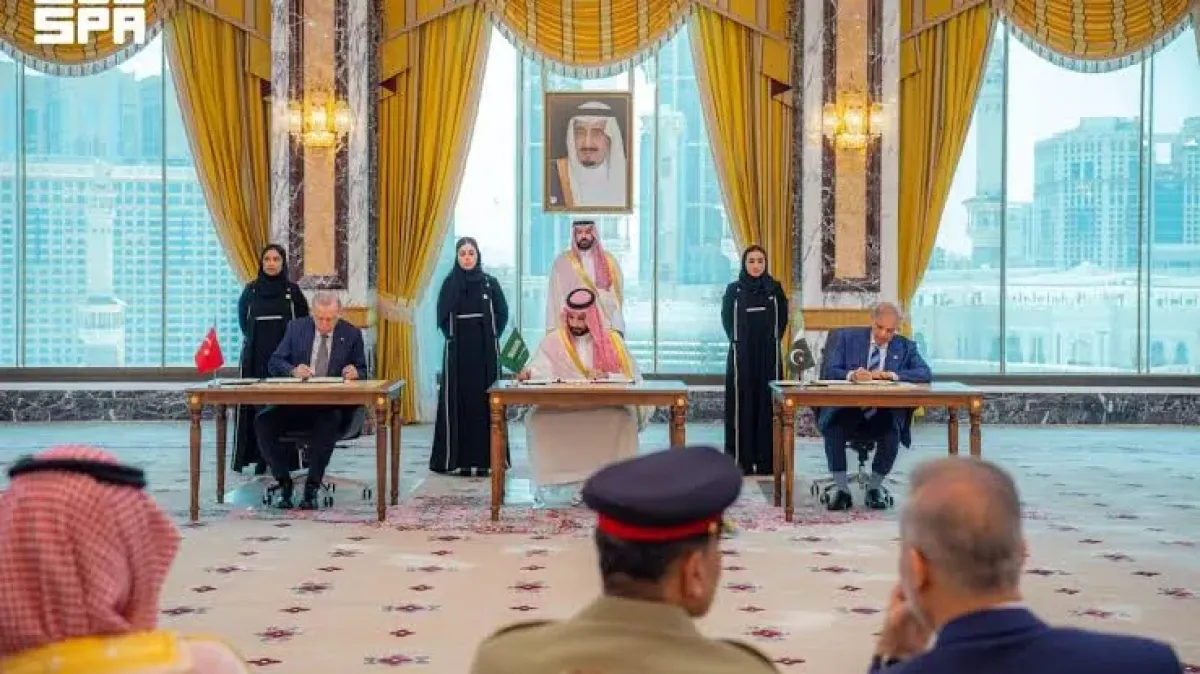
Consequently, despite their military and political weight, the three nations do not necessarily share a unified vision of threat perception or the scope of possible military intervention. While they agreed in Riyadh on October 5 to proceed with collective defense commitments and enhance military readiness and integration, including providing agreed-upon capabilities for Saudi defense, the agreement lacked specifics on deployment nature or military mission scope. The upcoming Islamabad meeting is crucial for translating these commitments into actionable measures, determining whether the alliance will be confined to defending member states' territories from direct attacks or extend to addressing the sources of threats beyond their borders.
For Yemen, this continued divergence means that reliance on the alliance for direct military intervention against the Houthis is not currently supported by explicit commitments from Pakistan or Turkey. The official positions of both countries focus on defending Saudi Arabia, without pledging participation in combat operations within Yemeni territory. This reveals that the challenge for the Mecca Alliance lies not in the number of participating countries or their military capabilities, but in practically defining "common defense," determining when a threat necessitates collective intervention, and establishing the limits of each state's participation when defense commitments conflict with their regional calculations and interests. Therefore, the Islamabad meeting will test Riyadh, Islamabad, and Ankara's ability to bridge the gap between political ambition and military commitment, particularly on the Yemeni issue, which directly tests the boundaries of partnership and underscores that building a defensive alliance does not automatically equate to an agreement to wage wars or bear their consequences.