A Saudi academic and war studies researcher has proposed a significant military shift by Riyadh, moving from supporting anti-Houthi Yemeni forces to directly leading ground and naval operations to dismantle the Houthi war machine and prevent their consolidation of power.
Dr. Nawaf Obaid, a Saudi academic and researcher at King's College London, outlined a potential large-scale Saudi military transformation in Yemen. In an article published by "Tomorrow's Affairs" titled "What is Saudi Arabia's Plan to Eliminate the Houthi War Machine?", Obaid suggested that Riyadh is finalizing a military plan involving the deployment of Saudi brigades and those from coalition partners. This initiative would see direct command over ground and naval operations, prompted by the withdrawal of government forces from strategic positions, Houthi advances towards Aden, and the ongoing siege of Taiz.
According to Obaid's proposed strategy, the plan targets the simultaneous opening of fronts in Saada, Hajjah, Al Jawf, Marib, Al Bayda, Shabwah, Taiz, and the southern governorates. This would be achieved through extensive military pressure aimed at exhausting Houthi capabilities and disrupting their field deployments. Concurrently, the strategy includes regaining control of the western coast, including areas around Hodeidah, Mokha, and Bab el-Mandeb.
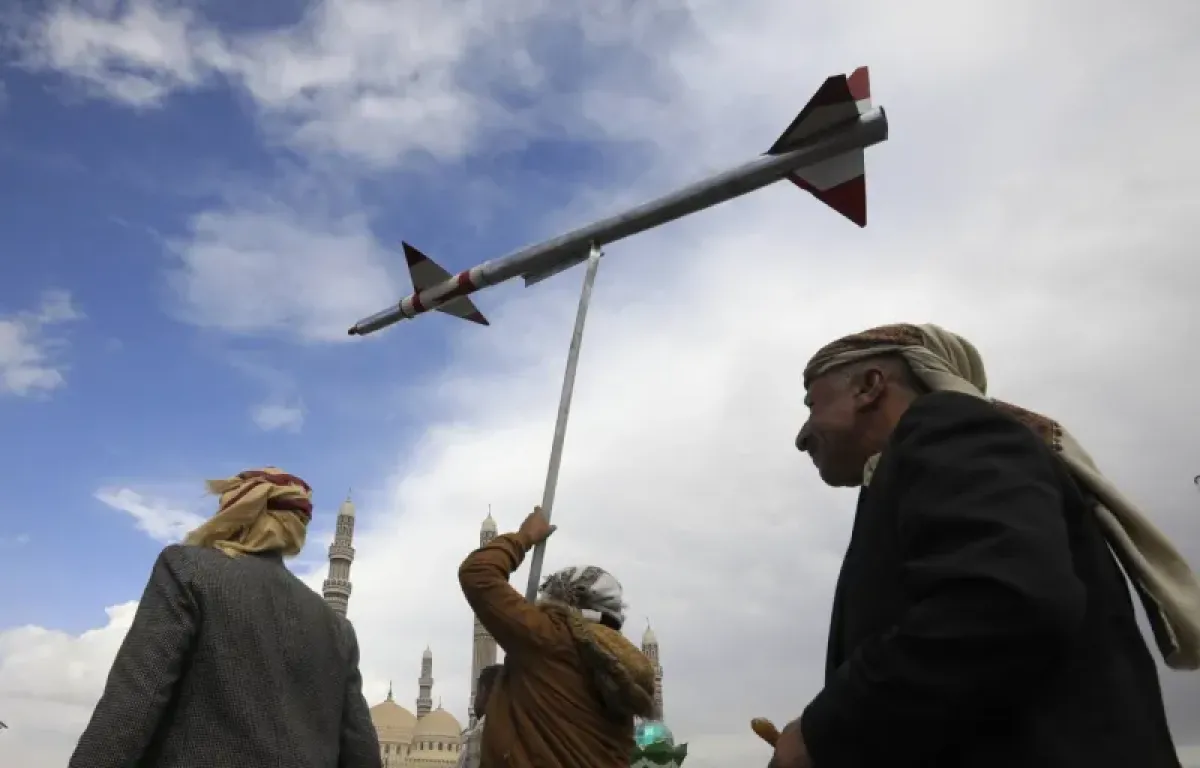
The military concept includes the potential mobilization of at least 30 Saudi army brigades, alongside coalition forces, forming a contingent that could reach 200,000 military personnel under the command of the Saudi Joint Forces. This force would be supported by advanced command, control, intelligence, and reconnaissance systems. Obaid also noted that ongoing Saudi airstrikes are targeting the Houthi military infrastructure, including ballistic missile facilities, cruise missiles, drones, and weapon production sites. He assessed that these strikes have damaged the group's capacity to manufacture weapons, replenish their stockpiles, and conduct retaliatory attacks. Furthermore, he highlighted losses among Houthi military leaders and foreign experts who allegedly supported the group's intelligence and military capabilities, suggesting that the degradation of this infrastructure weakens the command and control system essential for their operations.
The article pointed out that significant challenges faced by anti-Houthi forces include political and military divisions and multiple decision-making centers, contrasting with the Houthi militia's cohesive leadership structure and ability to execute orders. This was exemplified by tensions between military formations in Mokha and Taiz, which consequently weakened coordination on the fronts. This disparity places the unification of Yemeni forces at the forefront of any future military action, as superiority in resources and technology alone does not guarantee mission success without unified military decision-making and field coordination among anti-Houthi formations, free from political conflicts and factional calculations that have weakened the fronts.
In the maritime domain, Obaid emphasized that regaining control of the western coast and Bab el-Mandeb is a crucial part of any strategy to counter the Houthis. He proposed the establishment of a permanent Saudi military presence in the Bab el-Mandeb strait and on Perim Island, in coordination with the Yemeni government. This presence would aim to protect one of the world's most vital maritime routes and limit the Houthi group's ability to threaten navigation.
The researcher concluded that Saudi Arabia is no longer willing to accept a temporary political settlement that allows the Houthi military capabilities to persist. He believes that a shift in Saudi military capabilities and a readiness to allocate greater resources could alter the dynamics of the conflict in Yemen, with potential implications for Riyadh's relations with Tehran and Moscow, and regional balances. This perspective emerges at a time of rapid field developments on Yemeni fronts, escalating concerns about confrontations nearing Aden, and unfolding events highlighting the cost of continued division within the anti-Houthi camp, presenting the Yemeni government with a critical test to regain initiative and unify political and military decision-making.