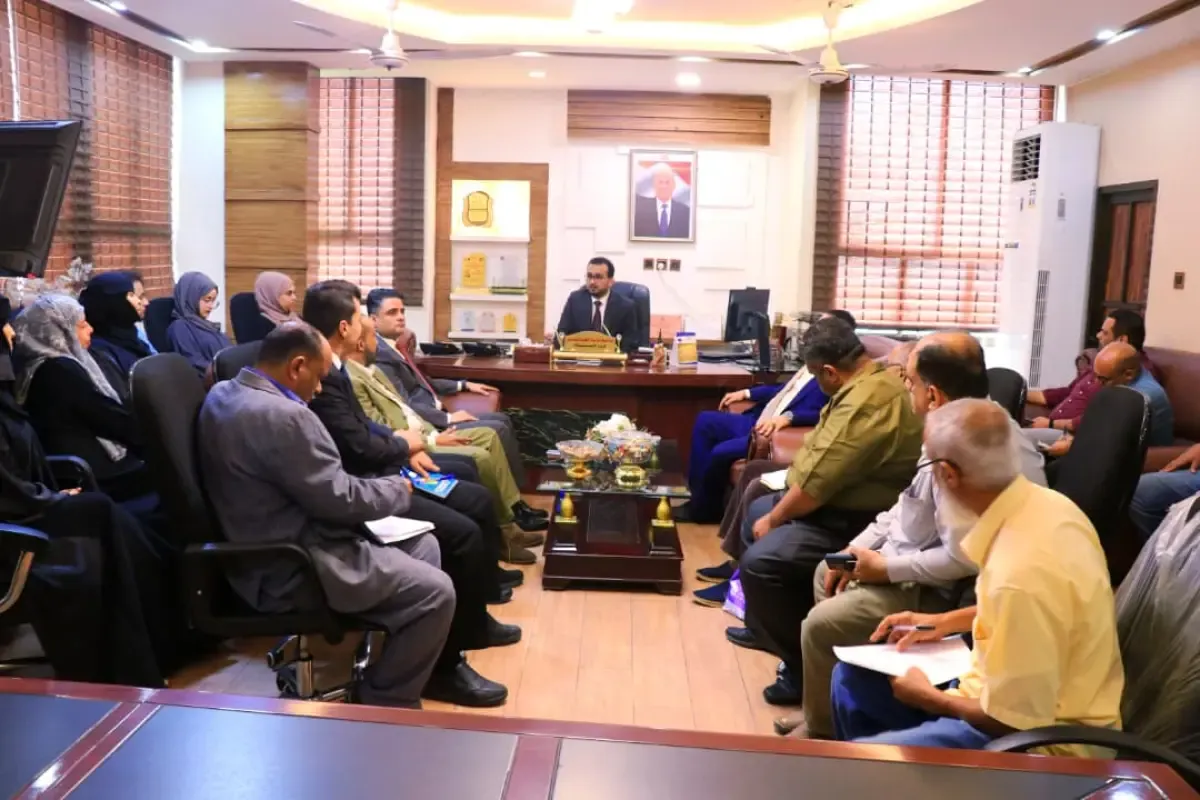
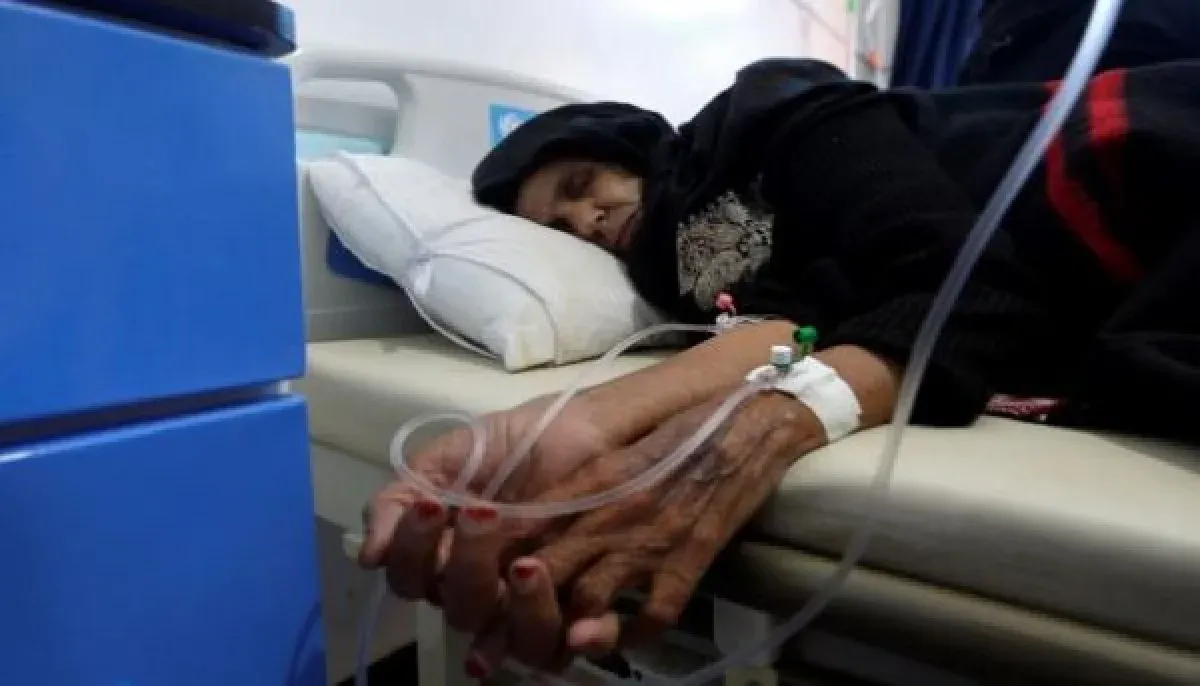
Taiz Governorate's Supreme Medical Supplies and Drugs Authority has warned of a severe health crisis, reporting an 85% drop in available medicine reserves against a more than 200% surge in demand. This dire situation is exacerbated by the ongoing Houthi blockade, increased displacement, injuries, and widespread epidemics.
Dr. Mohammed Al-Soufi, director of the authority's branch in Taiz, described the drug situation as nearing a "imminent and catastrophic collapse." He emphasized that the shortage no longer solely threatens pharmacies and medical facilities but places the lives of thousands of patients in direct danger. Al-Soufi explained that the closure of main entry points has significantly increased the cost and risks associated with transporting medicine. Concurrently, the accumulation of waste within the city, due to the inability of sanitation trucks to reach the designated landfill, has worsened the spread of fevers, watery diarrhea, and respiratory illnesses.
The crisis has been further compounded by what Al-Soufi termed as double customs duties imposed on drug shipments, along with the confiscation of assets from pharmaceutical companies, including Al-Alamia Factory and Al-Sharika Al-Dawiya Al-Haditha. These actions have led suppliers to curtail their operations and refrain from maintaining strategic reserves within the governorate.
The pharmaceutical official cautioned that the persistence of these conditions will push Taiz's health sector towards a more extensive crisis. The local market's capacity to supply essential medicines and supplies is now severely limited, while healthcare facilities face escalating demand due to displacement and deteriorating humanitarian conditions. Data from the Health Office highlights the gravity of the potential consequences, with over 10,000 diabetic patients at risk of losing access to free insulin. Approximately 347,000 children, including 79,000 requiring routine vaccinations, face potential disruptions in their immunization schedules. Furthermore, about 16,500 cancer patients undergoing treatment, 700 kidney failure patients dependent on dialysis, 11,500 psychiatric patients requiring chronic medication, and nearly 500,000 women of reproductive age are at risk due to the scarcity of medical supplies and reproductive health services.
The repercussions extend beyond chronic illnesses. Al-Soufi warned of the potential halt of operating rooms and the denial of life-saving serums and medications to organ transplant recipients, snakebite victims, and individuals bitten by rabid dogs if the drug reserves continue to deplete. These figures paint a bleak picture of a health sector under immense pressure, grappling with a dual challenge: rising needs on one hand and shrinking procurement capabilities on the other. Any further disruption to supply lines will have a direct impact on patient outcomes, particularly in areas most affected by war and the blockade.
The branch director urged UN and health organizations to activate mechanisms ensuring the direct and safe delivery of medical supplies to Taiz, criticizing the channeling of some supplies through Sana'a, while consignments destined for Taiz remain held in Aden. He also called on the government to expedite the allocation of Taiz's drug quota, accounting for the surge in demand, or to provide operational budgets for health facilities enabling them to procure available necessities from the local market. Additionally, he appealed to the international community to explore alternative methods for delivering life-saving medicines and materials should land routes remain impassable.
The deteriorating drug situation in Taiz presents a critical test for governmental bodies and international organizations. The continued interruption of supplies signifies more than just empty pharmacy shelves; it threatens to transform the health crisis into a humanitarian catastrophe affecting patients with diabetes, cancer, kidney failure, children, women, and other vulnerable populations. Amidst ongoing restrictions on supply movements, health sector officials in Taiz warn that depleted reserves could plunge the governorate into a phase where obtaining medication becomes a daily battle, with patients and civilians bearing the brunt of the crisis.