Amid a sharp rise in hostilities between Israel and the Iran-backed Lebanese Hezbollah, the possibility of a full-scale war is closer than ever.
Designated a terrorist organization by the US, the armed Lebanese militant group expanded its attacks against Israel following the October 7 attack by the Iran-aligned Palestinian Hamas.
Hezbollah, alongside other Iranian proxy groups like the Yemeni Houthis, are relentlessly attacking Israel in supposed solidarity with the Palestinians who are disproportionately facing the brunt of Israel’s retaliatory eight-month-long attack in Gaza.
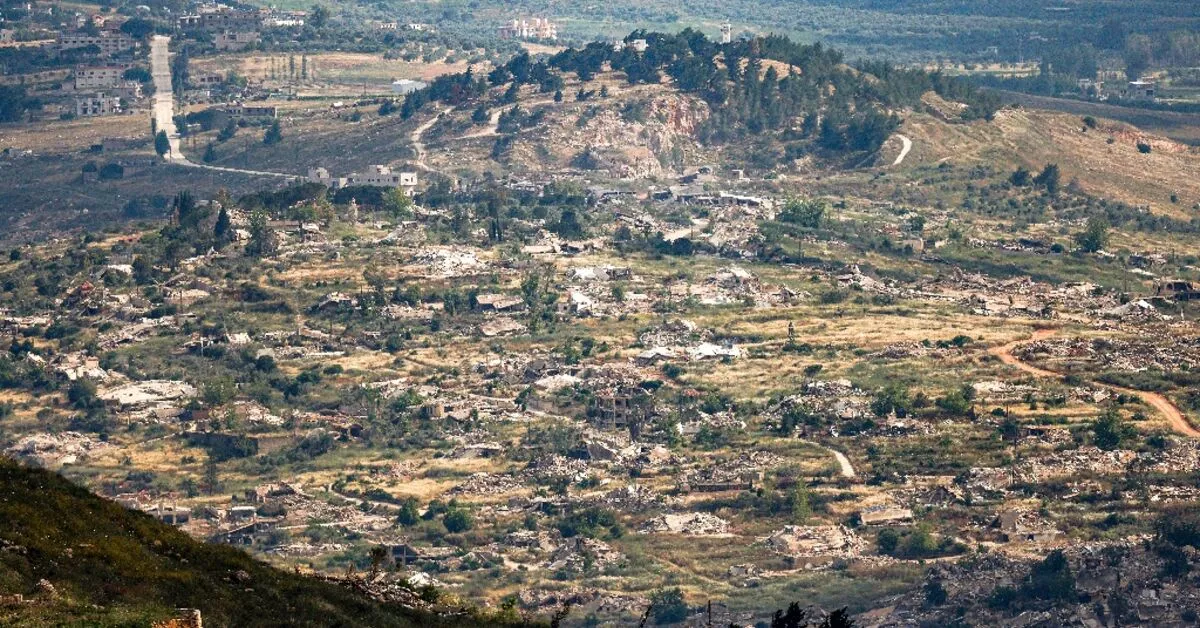
The Lebanese militants usually attack with aerial assets, including bomb-laden drones and missiles, with the occasional tussle between troops stationed along the border. Israel, in response, launches air strikes in Lebanon’s remote village areas.
In recent weeks, these attacks have increased.
Hezbollah struck important Israeli military installations using drones and missiles, and caused large fires. Many Israelis have been displaced, prompting calls for a stern response from Prime Minister Benjamin Netanyahu’s cabinet.
For now, Israel continues to hit Hezbollah sites in south of Lebanon, killing numerous senior militants, but minister Benny Gantz has said that Tel Aviv would return the residents who were forced to evacuate by “a deal or through escalation.”
“They are burning here, we need to burn all of Hezbollah’s strongholds and destroy them. War!” Itamar Ben-Gvir, Israel’s far-right national security minister, has said.
Hundreds of thousands of Lebanese residents in border areas have also been forced to move amid attacks.
Attack or deescalate?
Local reports say that the UK has warned Hezbollah about the possibility of an Israeli attack in June, the scale of which is not yet known.
The US, France and other regional players have been engaged with both sides on deescalating the situation.
In addition to ending all aerial and ground attacks, moving Hezbollah’s forces from the border area and past the Litani River, is among the aims of the Israelis.
It is not clear whether the militant group will agree to such a proposal.
Conversely, such a move might be seen as a win for Israel whose northern residents may feel safer against cross-border anti-tank and aerial attacks.
More than 400 people have been killed in Lebanon, most of them fighters but around 70 civilians and noncombatants, according to various tallies. In Israel, 15 soldiers and 10 civilians have been killed since October.
Hezbollah was supposed to disarm and move away from the Lebanon-Israel border as part of a 2006 UN agreement.
But Israeli officials claim that the opposite has happened. Hezbollah has reportedly established an arsenal of missiles to support thousands of ground troops.
Behind all negotiations between Lebanon and its Iran-backed groups, known to form the informal political and military coalition ‘Axis of Resistance,’ is the guarantee to end the war in Gaza.
“We have called for a ceasefire in Gaza and we don’t intend to widen the war, but if Netanyahu decides to expand the war, it won’t be a walk in the park,” Hassan Fadlallah, a member of Hezbollah’s parliamentary bloc was quoted as saying by the Wall Street Journal.
“Both sides are preparing and ready if something will happen,” the WSJ reported, citing an Israeli air force intelligence officer.
Rise in attacks between Lebanese Hezbollah, Israel prompts war concerns
1 year ago