The United States has issued a stern warning, asserting its "more than capable" readiness to resume hostilities with Iran should peace negotiations fail to meet President Trump's stringent conditions. These conditions explicitly include preventing Tehran from ever acquiring nuclear weapons.
The White House had previously suggested that President Trump was nearing a decision on an initial agreement following weeks of fluctuating signals in delicate negotiations. However, Tehran has denied the existence of any definitive accord aimed at resolving the conflict in the Middle East, which has significantly disrupted the global economy.
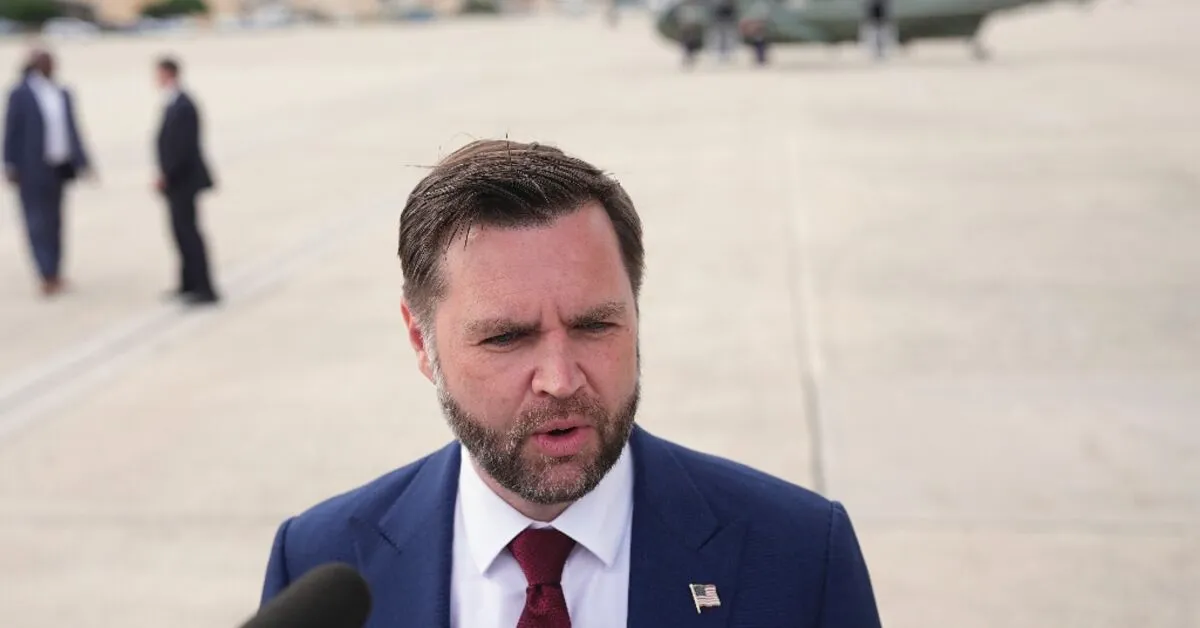
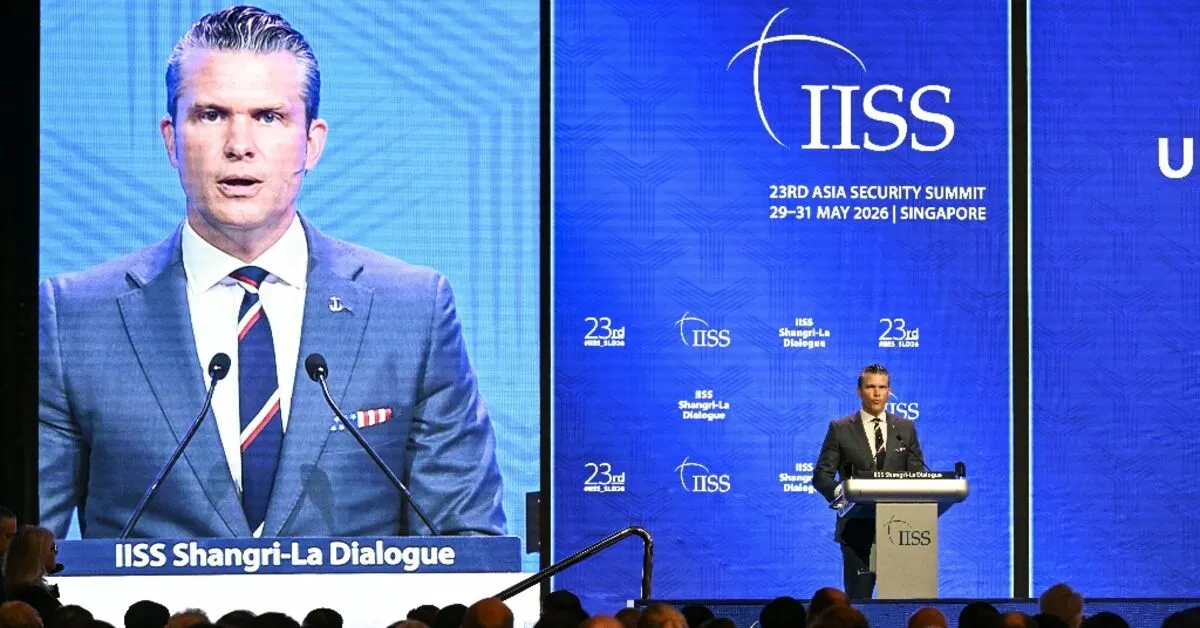
US sources indicated to AFP that a deal was awaiting President Trump's final approval. His decision was reportedly deferred after a two-hour meeting in the White House Situation Room on Friday. Concurrently, Pentagon chief Pete Hegseth, speaking at a major defense summit in Singapore, stated that Washington possessed the capacity to restart the conflict if deemed necessary. He emphasized the adequacy of US military stockpiles and global readiness.
The ongoing efforts to secure a peace deal, with Pakistan mediating, have faced renewed uncertainty following US strikes on Iran's southern port of Bandar Abbas and retaliatory actions from Iran. Diplomatic engagements, however, have persisted, including a parallel process to cease hostilities in Lebanon. Iran has insisted that this be incorporated into any formal resolution of the war.
President Trump's non-negotiable priorities for any agreement include Iran's commitment to never develop nuclear weapons and the reopening of the Strait of Hormuz maritime route. A White House official reiterated that the President would only accept a deal beneficial to America and its stated red lines, with a particular focus on Iran's nuclear program.
Iranian Foreign Ministry spokesman Esmaeil Baqaei countered Trump's demands, stating that Iran had abandoned the language of "must" decades ago. While acknowledging ongoing message exchanges, he confirmed that no final agreement had been reached. Iranian President Masoud Pezeshkian reportedly conveyed to Qatar's Emir Iran's readiness for a "dignified framework" to end the war.
Discrepancies have emerged regarding the specifics of potential terms. While President Trump suggested Iran would clear mines and cease obstructing the Strait of Hormuz without tolls, and that the US would lift its blockade of Iranian ports, Iranian state media cited sources claiming Tehran's demand for the immediate release of $12 billion in frozen assets. These sources also reportedly dismissed Trump's statements on destroying Iranian nuclear material as baseless and indicated no clause on toll-free passage of Hormuz was present in the draft agreement.
Meanwhile, intense fighting has continued on the Lebanon front. Israeli Prime Minister Benjamin Netanyahu announced advancements by Israeli forces, even as Hezbollah reported launching attacks on northern Israel and Israeli troops. A ceasefire intended to take effect in April has remained unobserved, with both sides accusing each other of violations.