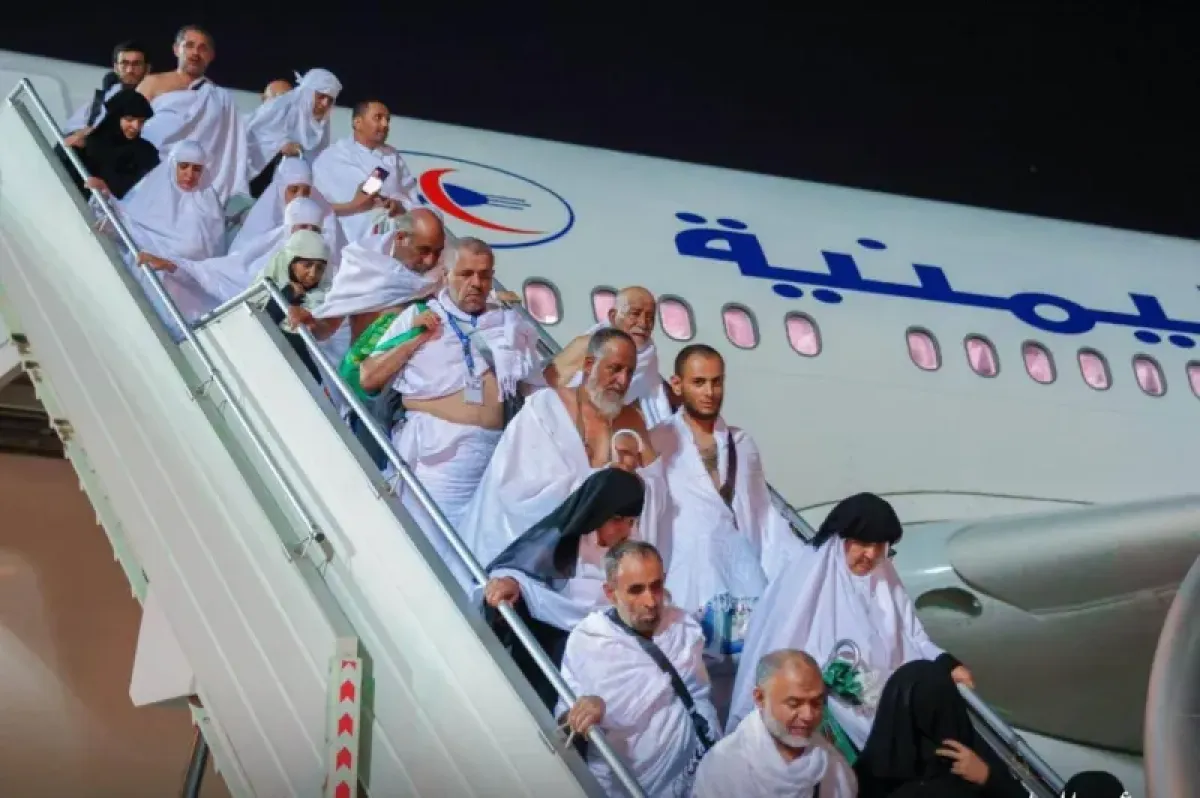
Yemen Airways has announced the cancellation of several flights due to an ongoing fuel crisis that has plagued the company for weeks, while also informing government authorities of adjustments to the Hajj pilgrimage travel schedule.
The airline's spokesperson, Hatem Al-Shaabi, confirmed the cancellation of a flight from Seiyun to Cairo, scheduled for May 30, citing insufficient fuel at Seiyun Airport. Al-Shaabi attributed the cancellations to a severe shortage of fuel, exacerbated by the current critical conditions and scarcity of fuel in Yemen and neighboring countries, which has directly impacted operational activities and flight schedules.
Al-Shaabi further stated that the airline's management is in continuous coordination with relevant government bodies, engaging in intensive, round-the-clock efforts to resolve this emergent issue and secure operational necessities. The company aims to restore flight regularity as swiftly as possible. Yemen Airways extended its apologies to all passengers affected by these cancellations, expressing gratitude for their understanding and cooperation during these exceptional circumstances and reaffirming its commitment to continuing services and maintaining operational continuity to the greatest extent possible.
Earlier, the company announced the suspension of all domestic flights to and from the Socotra archipelago, effective Sunday, due to the worsening aviation fuel shortage. These flights are set to resume once the fuel crisis is resolved and necessary supplies are restored. The company's office in Socotra indicated that the absence of adequate fuel supplies prevented the continuation of air traffic according to approved schedules, necessitating the temporary suspension of flights.
Concurrently, the Chairman of Yemen Airways' Board of Directors sent a letter to the Ministry of Endowments and Guidance, notifying them of changes to the Hajj travel program for Yemeni pilgrims this year because of the aviation fuel crisis. He explained that the lack of aviation fuel at Yemeni airports will lead to modifications in the pilgrim transportation schedule. Despite an agreement and assurances for a fuel tanker's arrival on May 28, the fuel had not yet been supplied to the airport as of that date. If the situation persists, the chairman proposed operating flights with a maximum of 120 pilgrims per flight to enable aircraft to refuel in Jeddah.
He urged the ministry to follow up with the relevant authorities at the oil company to expedite the provision of fuel at Aden Airport. Pilgrims were also advised to pack only one bag each, with a notification about potential luggage delays on some flights. In this context, the chairman suggested directing travel agents to transport Zamzam water belonging to pilgrims overland to reduce the luggage load on flights and help mitigate baggage delays.
Yemen Airways, along with hundreds of international airlines, has been experiencing a severe aviation fuel crisis for weeks, reportedly due to escalating tensions in the Persian Gulf and threats to international navigation in the Strait of Hormuz. The European Commission warned last Thursday that the EU aviation fuel market could face tighter supply if the situation in the Strait of Hormuz does not improve within weeks.