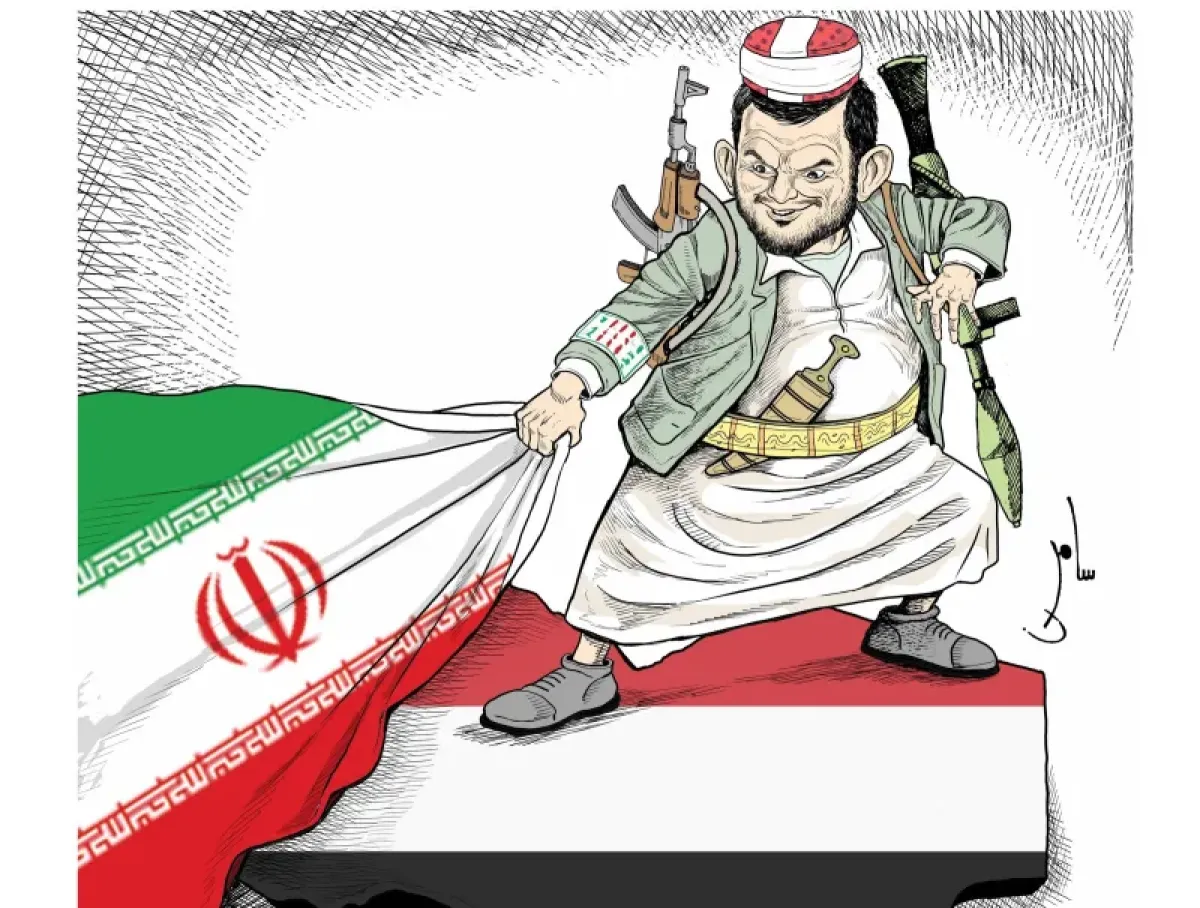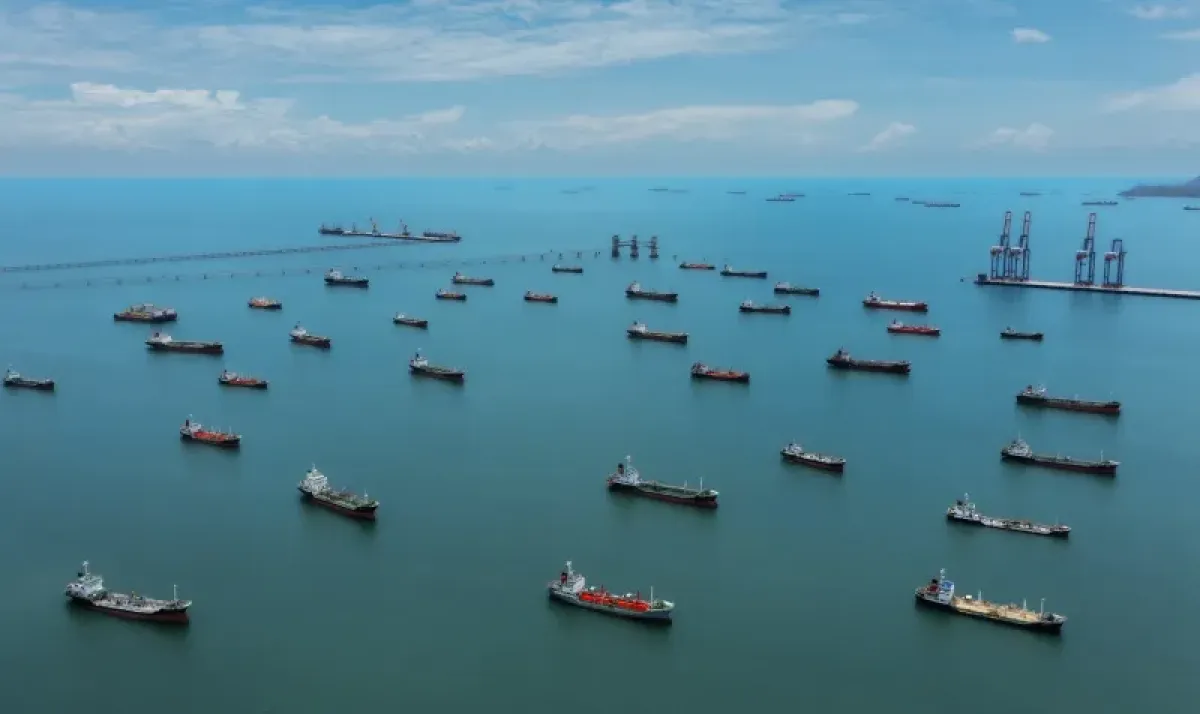
A new Iranian strategy, termed "smart control," is designed to exert significant influence over maritime traffic in the Strait of Hormuz, potentially transforming it from an open international waterway into a political and economic leverage point for Tehran, according to a recent analysis by the Washington Institute for Near East Policy.
The analysis, authored by Iranian defense and security expert Arzin Nadimi, suggests that the confrontation between Tehran and Washington has broadened beyond military exchanges and diplomatic negotiations to encompass a struggle for control over one of the world's most critical maritime arteries, through which a substantial portion of global energy exports and international trade passes.
Iran has recently announced the establishment of the "Persian Gulf Strait Authority," a body intended to implement new regulations for vessels transiting the strait. These regulations reportedly include requirements for advance permits, security and environmental inspections, financial guarantees, and the payment of special insurance fees through a dedicated Iranian digital platform. The Institute views this initiative as a strategic shift from sporadic threats of closing the strait or seizing ships to the creation of a permanent oversight and administrative system that grants Iran de facto authority over international navigation without the need for a formal closure declaration.
This Iranian project extends beyond its territorial waters, potentially encompassing maritime areas adjacent to the United Arab Emirates and Oman, which has drawn considerable regional and international objections over perceived infringements on internationally recognized maritime sovereignty. The Institute posits that Iran's motivations extend beyond declared maritime security concerns, encompassing political and economic objectives linked to its internal crises and mounting pressure from international sanctions. The leadership may be leveraging the Hormuz issue to bolster domestic support and project an image of defending national interests against Western pressure.
The initiative also coincides with sensitive US-Iran negotiations, leading the analysis to suggest it is an attempt to create new bargaining chips by establishing "ground realities" that afford Tehran greater leverage for future concessions. Iran also appears intent on solidifying its role in managing strait traffic, potentially enabling it to influence global oil and trade flows when politically or militarily expedient. Regional and international reactions have been swift and firm, with the UAE rejecting the project as a violation of sovereignty and international law. The Gulf Cooperation Council, in coordination with the International Maritime Organization, has issued warnings to shipping companies against complying with Iranian measures and recognizing any unilateral authority over the strait.
The United States has responded with practical measures, including a May 29 advisory from the US Naval Forces Central Command urging commercial vessels to coordinate directly with the US Navy during transits and disregard new Iranian regulations. This action is interpreted as the first direct operational challenge to Iran's attempt to impose its authority on the strait, signaling Washington's commitment to maintaining established international navigation protocols. The analysis emphasizes that Iran's claims of legality for these measures lack international legal basis, as the Strait of Hormuz is an international strait governed by the "transit passage" regime under the UN Convention on the Law of the Sea, which guarantees freedom of navigation and prohibits coastal states from imposing selective restrictions or licensing requirements.
The Institute concludes by advocating for a comprehensive US strategy to counter Iran's project, including the formation of a specialized international naval force to protect navigation in the Strait of Hormuz, expanded sanctions on entities cooperating with Iranian measures, and enhanced coordination with Gulf states and international partners to ensure the continued freedom of navigation under international rules. The success of Iran's plan, the analysis warns, could set a dangerous precedent, while its failure is deemed essential for safeguarding global trade security and preventing the strait from becoming a zone of coercion and political dominance.