While millions of Yemenis grapple with severe economic hardship, unpaid salaries, and a critical decline in essential services, the Houthi group annually mobilizes its political, media, and financial resources to celebrate what it terms "Wilaya Day" or "Ghadir Day." This occasion has become a cornerstone of their political and ideological project and a central tool for reinforcing their authority and the concept of hereditary rule.
This celebration has evolved beyond a religious or sectarian observance into a comprehensive mobilization effort aimed at reshaping societal consciousness and redefining the relationship between rulers and the ruled based on inherited privilege and lineage, contrary to the principles of a republican state and equal citizenship championed by the September 26 revolution.
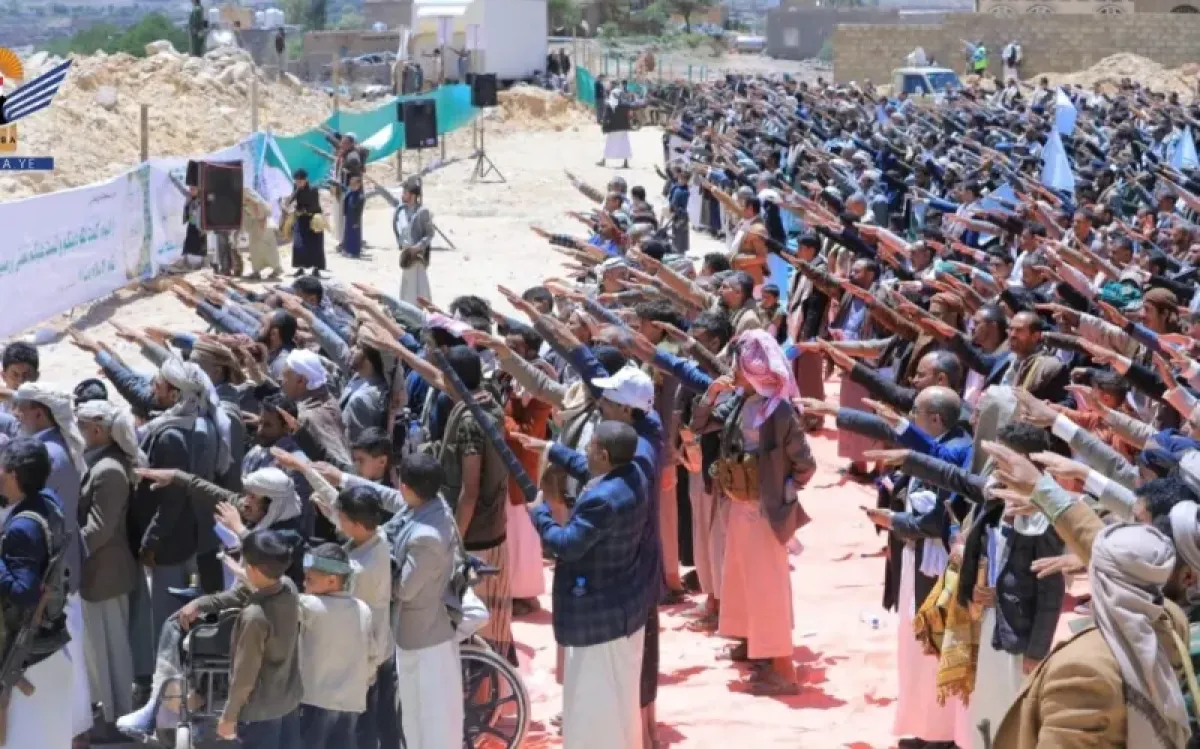
Since seizing control of Sana'a in 2014, the Houthi group has expanded the prominence of "Wilaya Day" in public life. It has been imposed as an official observance within government institutions, schools, universities, media outlets, and mosques, with significant budgets allocated for its annual celebration. In recent years, the occasion has transformed into a wide-ranging political and ideological mobilization season, featuring festivals, speeches, cultural courses, and propaganda activities, all promoting slogans that espouse "Wilaya" as the basis for political legitimacy and the right to govern.
Researchers observe that the group's celebration is not merely a religious commemoration but a strategic deployment to reinforce its foundational narrative: granting a specific group an exceptional right to lead society based on their lineage. This explains the substantial mobilization, expenditure, and attention dedicated to this event, even as pressing livelihood issues facing the population remain unaddressed. Yemen's Minister of Endowments and Guidance, Sheikh Turki Al-Wada'i, describes the Ghadir Day celebration as an "innovated bid'ah" with no basis in Islamic law, asserting that neither the companions nor the household of the Prophet knew or practiced such celebrations as a religious rite. Al-Wada'i further contends that invoking the Hadith "For whomever I am his master, Ali is his master" to justify political or hereditary claims to rule misinterprets religious texts, emphasizing that Islam has established piety and righteous deeds, not lineage or family affiliation, as the criteria for differentiation among people.
These criticisms gain particular significance as the group endeavors to transform the concept of "Wilaya" from an intellectual or sectarian matter into the foundation for governance and societal management, thereby conferring a form of political sanctity upon its leadership that transcends the concepts of state, law, and institutions. Anis Al-Khalidi, a writer and political analyst, posits that the essence of the "Wilaya" concept lies not only in granting political authority to a specific group but also in bestowing religious legitimacy that places them above accountability and criticism. He argues that the Houthi project seeks not merely to assert a political right derived from lineage but to monopolize religious authority itself, making loyalty to the leadership a matter of creed and political opposition an act deemed as deviation from religious legitimacy. According to Al-Khalidi, this model fundamentally opposes the concept of a modern state, which is founded on equality among citizens, the transfer of power, and the subjection of all to the law, as it resurrects hereditary privilege systems that modern societies have long surpassed.
Beyond the ideological dimension, significant criticism arises from the immense economic cost of the group's annual celebrations. While hundreds of thousands of employees in Houthi-controlled areas have been deprived of their salaries for years, the group expends vast sums on festivals, public events, banners, fireworks, and accompanying media campaigns. Samir Al-Yousifi, a writer and political analyst, believes the group has succeeded in transforming "Wilaya" into a comprehensive financial system based on organized collection in the name of religion, compelling contributions from merchants, businessmen, and citizens to finance related celebrations and activities. Critics maintain that the funds allocated to these events could alleviate the suffering of the populace, support essential services, or cover a portion of employee salaries, particularly amidst the nation's economic collapse.
Mutee Al-Makhlafi, a writer and political analyst, identifies the most dangerous aspect of "Wilaya Day" not solely its sectarian nature but its role as a tool for reshaping the political and social identity of Yemenis. He notes that through this occasion, the group aims to supplant national affiliation with ideological loyalty to the group and redefine the citizen-state relationship based on sectarian and lineage grounds rather than equal citizenship. Furthermore, according to Al-Makhlafi, the Houthis utilize the occasion to intensify ideological mobilization, recruitment, and youth engagement, leveraging the extensive participation of schools, universities, and official institutions in related events. He warns that the continuation of this approach threatens to deepen social divisions and weaken the unifying national identity that has historically been a key element of Yemeni societal cohesion.
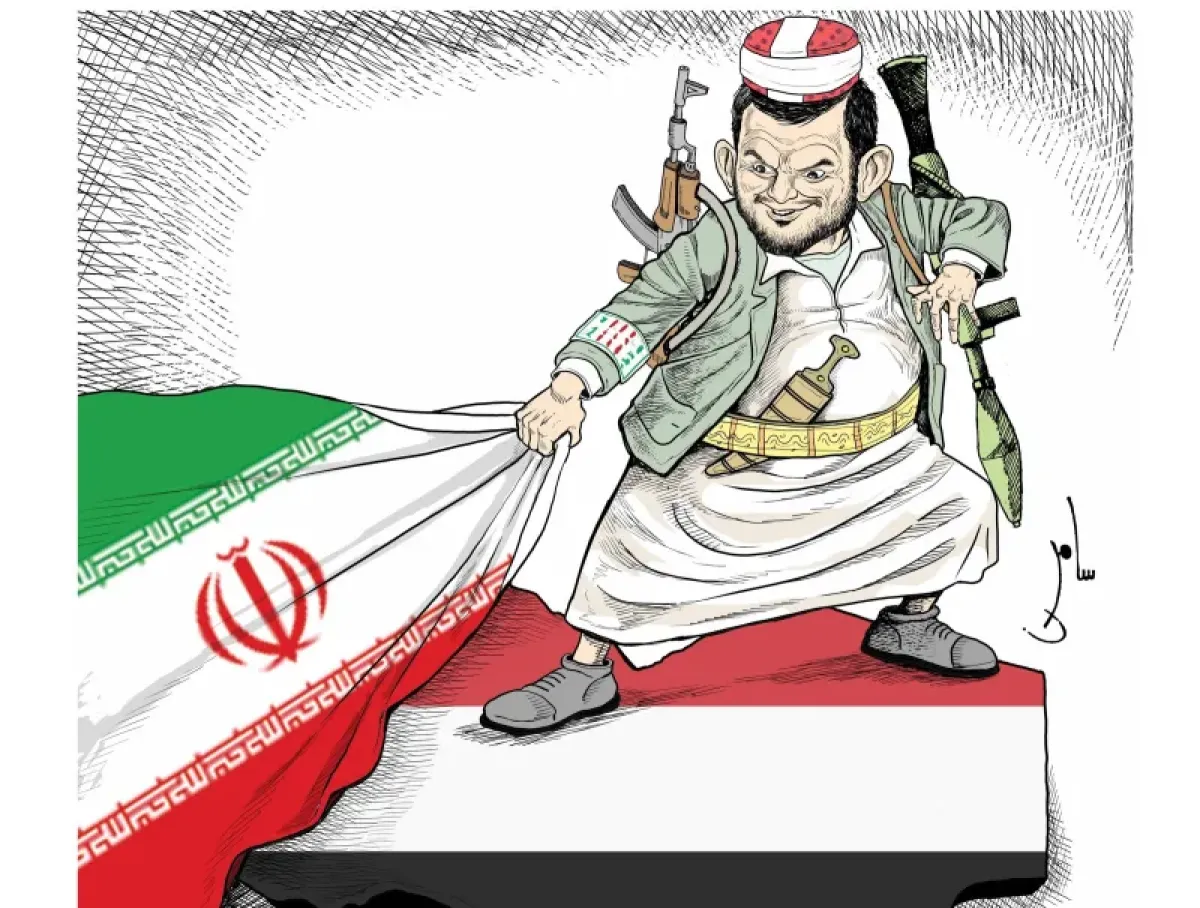
Despite escalating economic and humanitarian crises, the Houthi group appears unwilling to abandon or diminish the significance of this observance. Observers believe this is because "Wilaya" is not merely a celebratory event but the core of the group's intellectual and political project. Retreating from it would effectively mean questioning the ideological foundation upon which the group bases its legitimacy and right to rule. Consequently, the group is committed to transforming the occasion into a massive annual public event, used to re-energize its followers intellectually and politically, demonstrate its capacity for mobilization, and assert its presence as a de facto authority with a project that extends beyond traditional political engagement.
Abdul Salam Al-Qaisi, an activist, views the core of the Yemeni crisis as residing not in individuals or leaders but in the foundational ideology of the Houthi project. He asserts that "Wilaya" has become a tool to justify the monopolization of power and sanctify rule, considering its continued propagation as the factor enabling the perpetuation of conflict, even with changes in leadership or names. According to Al-Qaisi, confronting the Houthi project requires not only military or political action but also the dismantling of its intellectual framework, which is predicated on lineage discrimination, societal guardianship, and the monopolization of religious and political legitimacy.
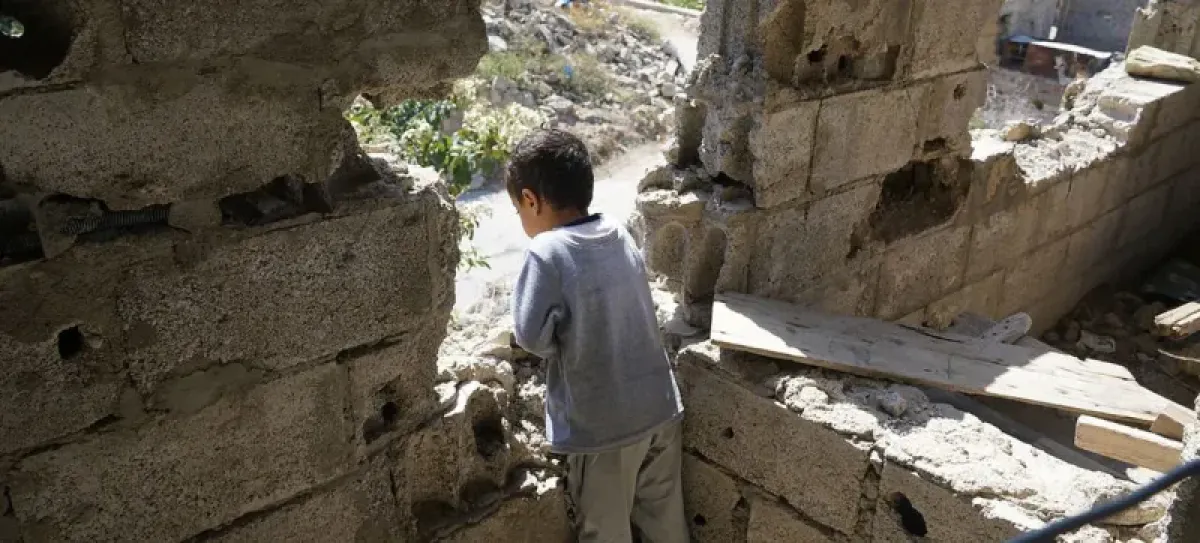
Amidst the fireworks, slogans, and expenditures on "Wilaya Day" festivities, millions of Yemenis endure humanitarian conditions described as among the worst globally. In Houthi-controlled areas, the salary crisis persists, health and educational services decline, and rates of poverty and unemployment rise, while significant resources are diverted to funding ideological occasions and mobilization activities. Observers note the paradox that the group, which presents itself as a defender of the oppressed, continues to allocate its resources to bolstering its ideological project, even as citizens' priorities concerning livelihoods, services, and the economy recede to lower ranks. In this landscape, "Wilaya Day," for the group's critics, is more than a religious occasion; it represents a title for a deeper conflict over the form of the state and the future of Yemen, and the identity of its society, juxtaposing a republican project based on equal citizenship against a lineage-based project seeking to legitimize the monopolization of power and perpetuate hereditary privileges under various ideological and political guises.