The United States and Iran have indicated that a peace agreement to end their conflict is imminent, with a senior U.S. official stating that both nations have agreed on a proposed text and anticipate signing an initial deal in the coming days.
Iranian Foreign Minister Abbas Araqchi asserted that while modifications to the agreement remain possible, the tentative accord signifies Iran's strengthened position following the war. "Iran is the winner of the war with the U.S.," he declared on state television.
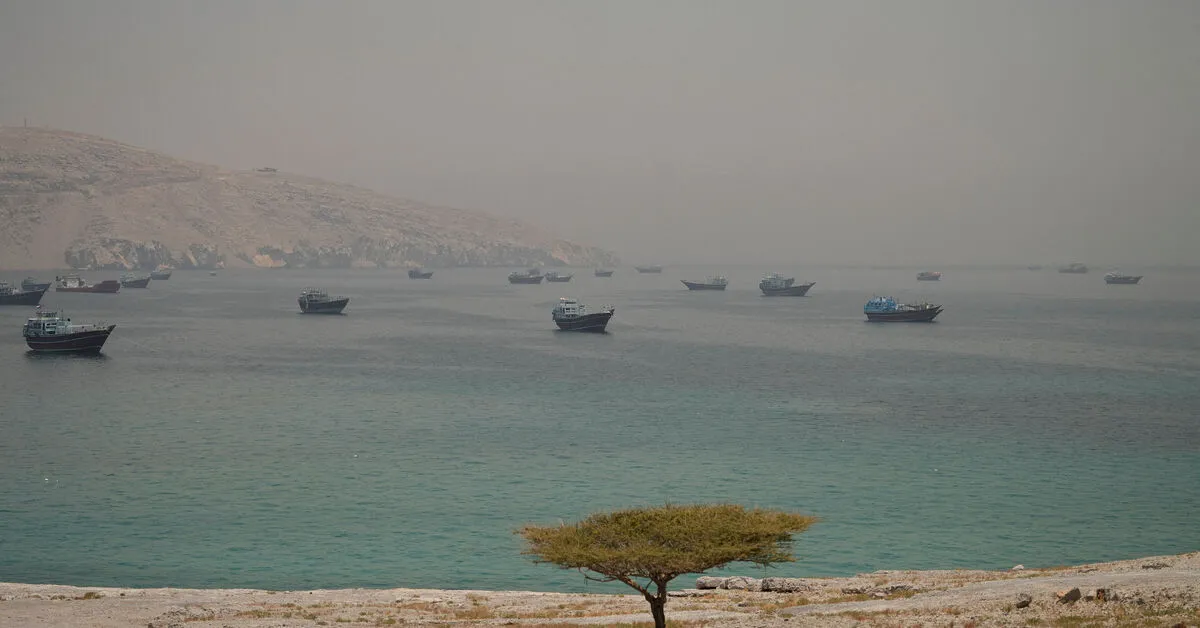
The developments followed shortly after U.S. forces reportedly downed multiple Iranian one-way attack drones approaching the Strait of Hormuz, which posed a threat to commercial shipping. Iranian news agencies had also reported explosions near the strait's Sirik port and Qeshm island, attributed by local sources to Iranian forces warning unauthorized vessels.
The proposed memorandum of understanding reportedly includes provisions for reopening the Strait of Hormuz and lifting the U.S. naval blockade on Iranian ports. Negotiations concerning Iran's nuclear program, which President Trump cited as the justification for initiating the conflict, are slated to occur subsequently. The U.S. official emphasized that the agreement aligns with President Trump's primary objectives, positioning the negotiations favorably.
While Western, Pakistani, and Iranian sources offered differing accounts of the draft proposal, generally indicating terms that could benefit Iran, President Trump dismissed these reports as inaccurate. Broadly, the proposals appear to offer Tehran much of its desired outcomes, with President Trump seemingly securing little beyond the reopening of the strait, which Iran closed following U.S. and Israeli strikes in February. Araqchi stated that Iran, in conjunction with Oman, would retain control over traffic through the strait, a critical waterway that previously handled a fifth of global oil and gas supply.
Draft terms suggest the U.S. would release billions of dollars in frozen Iranian assets and lift sanctions on oil exports in exchange for Iran reopening the strait. Iran's nuclear program would be addressed within a 60-day negotiation period. The U.S. official indicated that the agreement would ultimately lead to the dismantling of Iran’s nuclear program, with its highly enriched uranium stockpile to be destroyed and removed, subject to an inspection regime for long-term compliance. However, Araqchi stated that Iran wishes to retain the uranium in diluted form, preferring a "down-blending" solution. Discussions also reportedly include potential war reparations for Tehran and the cessation of U.S. demands for limits on Iran's missile program, though the U.S. official disputed this account, emphasizing a performance-based deal with no funds released until compliance, the opening of the Strait of Hormuz, and an end to Iran's funding of terrorist groups.
Israel, a participant in the war alongside the United States, was not involved in the negotiations. Prime Minister Benjamin Netanyahu stated that Israel would not be party to the agreement. The conflict's escalation had previously led to a sharp increase in hostilities in the Gulf, including exchanges of fire and retaliatory strikes. Global stock markets saw gains, and oil prices declined significantly on the news of progress toward a peace deal.