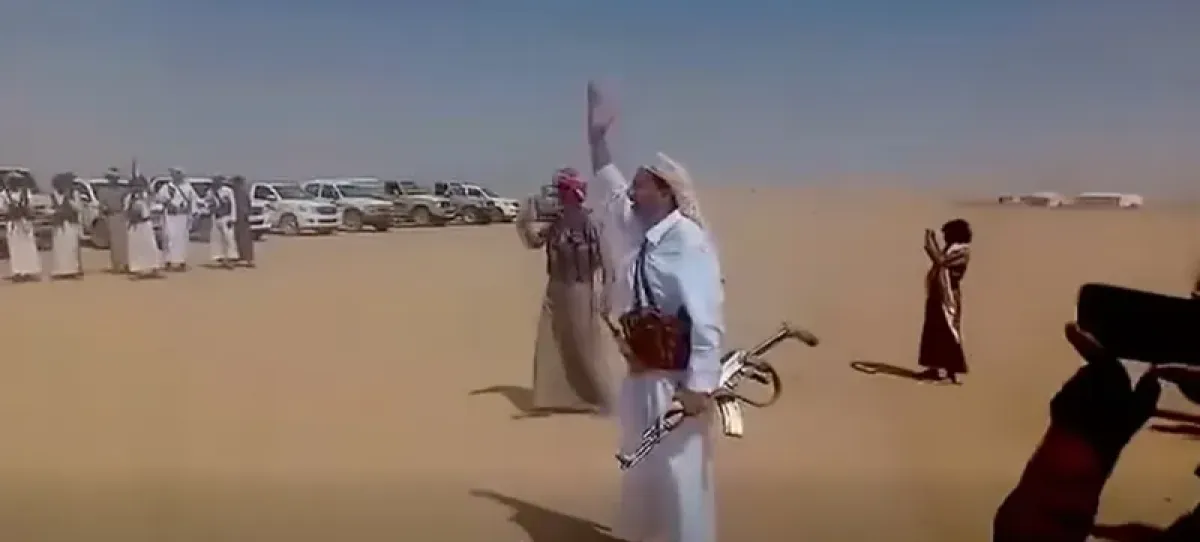
Prominent tribal Sheikh Hamad bin Rashid bin Fadgham Al-Hazmi has revealed details of his detention and alleged abuses by the Houthi militia, following his release and arrival in liberated areas of Al-Jawf province. His account has generated significant attention within Yemeni tribal circles and has led to calls for tribal mobilization.
Sheikh Al-Hazmi arrived in the Rayyan area of the Khub wa Ash-Shaf district in Al-Jawf on Wednesday with his family, after his release from Houthi prisons in Sana'a. He left behind extensive properties and farms in the Al-Yatmah region. His arrival was met with a broad tribal reception involving dignitaries from the Marazeeq and Bani Nauf tribes, affiliated with the Daham tribes, as well as tribal delegations from Marib province. This demonstrated the extent of tribal engagement with the issue, which has been a subject of considerable controversy in recent months.
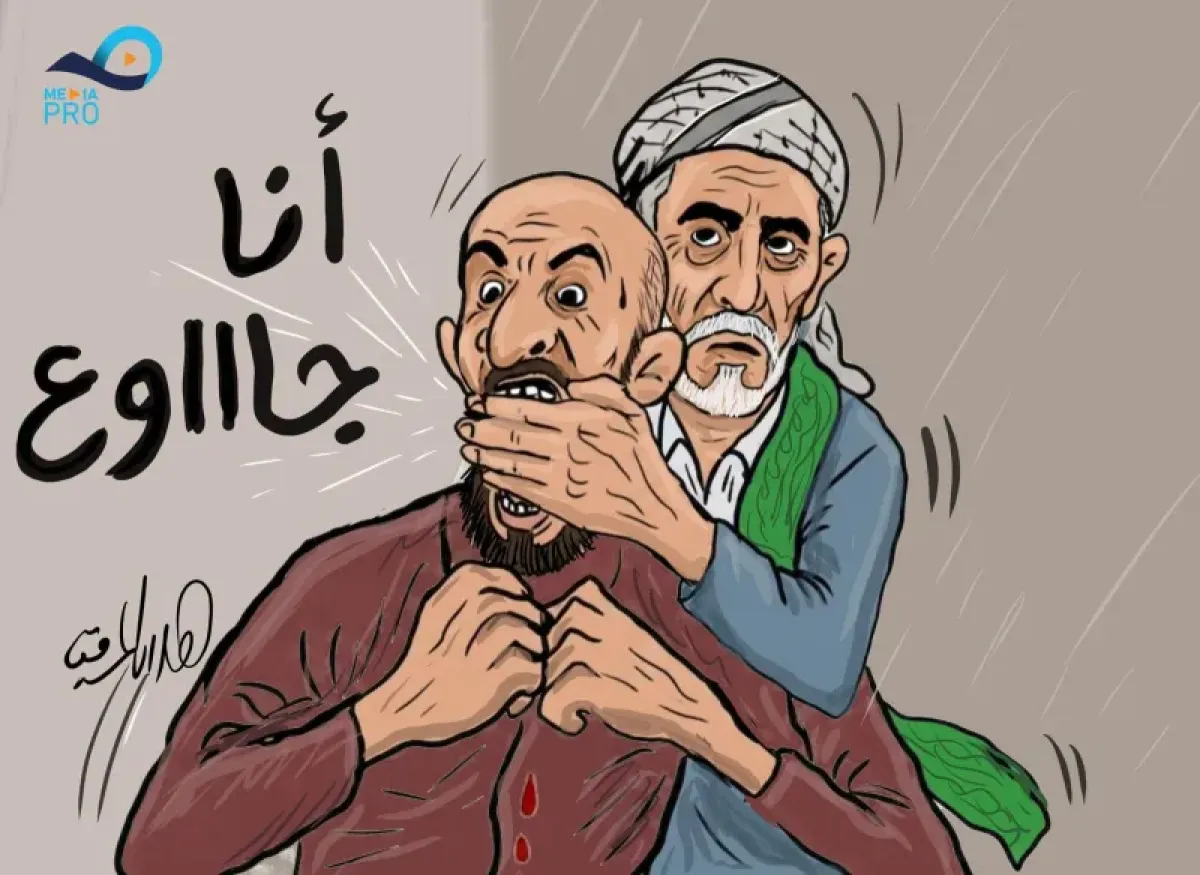
Addressing a gathering of tribesmen, Sheikh Al-Hazmi stated that he left Houthi-controlled areas to preserve his dignity and that of his family, despite significant financial losses. He noted that he left behind properties and farms valued in the hundreds of millions of riyals. He described his nearly nine-month detention as a period of intense psychological and physical pressure, during which he was denied medical treatment despite deteriorating health. He also alleged continuous coercion to sign documents and make false confessions.
Sheikh Al-Hazmi accused influential Houthi leaders, including the prominent figure Abu Ali Al-Hاكم, of being behind the alleged "grave violations." He also held businessman and tribal leader Fares Manaa responsible for what he described as an illegal abduction and subsequent coercive measures. He emphasized that any media appearances or statements made in his name during his captivity did not reflect his true positions but were made under duress and threat, aiming to serve the militia's political and media narrative.
In a symbolic act that resonated deeply with those present, Sheikh Al-Hazmi broke a "Jafal," a traditional Yemeni tribal dagger, signifying a formal plea for support and vindication from the tribes. He called upon the Daham tribes and Yemeni tribes in general to stand with him against the injustice and abuses he endured. Tribal sources confirmed a widespread response to his call, with tribal delegations from Al-Jawf and Marib converging on the Rayyan area to express solidarity and discuss future tribal actions amid growing resentment towards the militia.
Sheikh Al-Hazmi also addressed the widely publicized incident involving the woman accompanying him during his detention. He identified her as the daughter of the late Iraqi President Saddam Hussein, asserting that his initial statements on the matter after his release were made under pressure to ensure his and his family's safety. The Houthi militia had abducted Sheikh Al-Hazmi and his companion on May 12th while they were en route to Al-Jawf, an incident that drew widespread condemnation from tribal communities due to the Sheikh's social standing.
Observers view Sheikh Al-Hazmi's testimony as the first direct and detailed account since his release. It highlights escalating tensions between the Houthi militia and certain tribal components within their controlled territories, particularly in light of increasing complaints of abuses and pressure against social and tribal figures in recent years. These developments coincide with tribal calls for mobilization in several regions, including Sahar district in Sa'ada governorate, signaling a potential new phase of tribal engagement related to this matter, with widespread anticipation regarding the outcome of upcoming tribal movements.