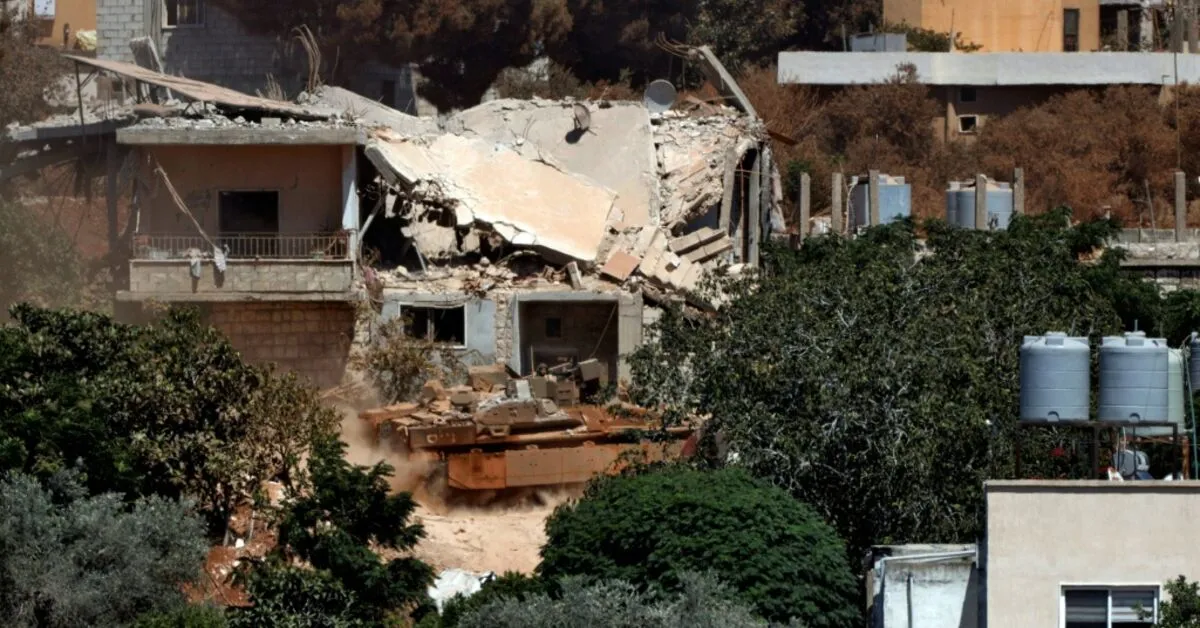
Lebanon's army has begun deploying in the southern village of Zawtar al-Gharbiya, a move that has reassured residents like Hassan Sbeih, who are hopeful for an extension of this deployment to areas still under Israeli occupation. This deployment marks one of the first "pilot zones" under a framework agreement reached between Lebanon and Israel in June.
Hassan Sbeih, 62, expressed that the army's presence has already contributed to residents' comfort and their willingness to return to the village. He noted a lack of friction between the troops and locals, describing a relaxed atmosphere. Sbeih, whose home village remains occupied by Israeli soldiers, visits Zawtar al-Gharbiya to "breathe in the air of our village" as he cannot access his own home.
Israeli troops, while not stationed within Zawtar al-Gharbiya, had conducted incursions from its outskirts before their withdrawal last week. The current conflict, which began on March 2 with Hezbollah's rocket fire at Israel in support of Tehran, has led to significant Israeli airstrikes and a ground invasion, resulting in over 4,300 reported fatalities according to Lebanese authorities. A Lebanese soldier in Zawtar al-Gharbiya, speaking anonymously, confirmed that the army has seized weapons and dismantled explosive devices since their deployment.
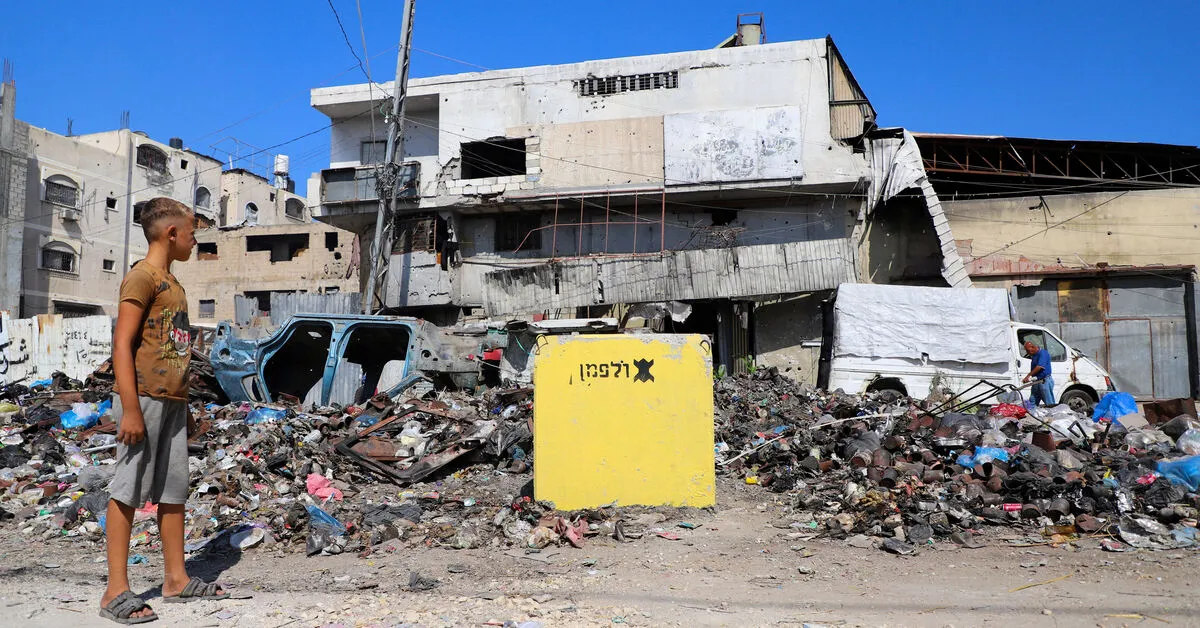
The US-sponsored framework agreement mandates the Lebanese army to disarm Hezbollah in designated "pilot zones" following Israeli troop withdrawals. This initiative is intended to facilitate a gradual Israeli withdrawal from other parts of southern Lebanon. Zawtar al-Gharbiya has sustained extensive damage, with Mayor Abed Ezzeddine reporting that three-quarters of its buildings are destroyed and essential services like electricity and running water are unavailable. Despite the ongoing destruction in nearby areas, evidenced by smoke plumes and explosions, residents like Ayad Shoucair, 65, feel "safe with the army presence" and emphasize the importance of its continued presence.
The deployment represents a significant test for the Lebanese state, with experts questioning the authorities' capacity to disarm Hezbollah, which opposes the agreement and refuses to surrender its weapons. Military expert Fadi Daoud suggested that success in Zawtar al-Gharbiya is due to a unique combination of a small, relatively calm area, strong political symbolism, and direct US pressure, but cautioned that replicating this in larger, more complex regions would be challenging, particularly if Hezbollah maintains its stance. The primary challenge will be the army's response to information regarding Hezbollah's tunnels or weapons depots, especially given the military's lack of clear legal authority to inspect private properties.
Mahmoud Turkiye, 70, returning to Zawtar al-Gharbiya after months away, expressed skepticism about the army's authority but acknowledged that its presence "boosts people's morale."