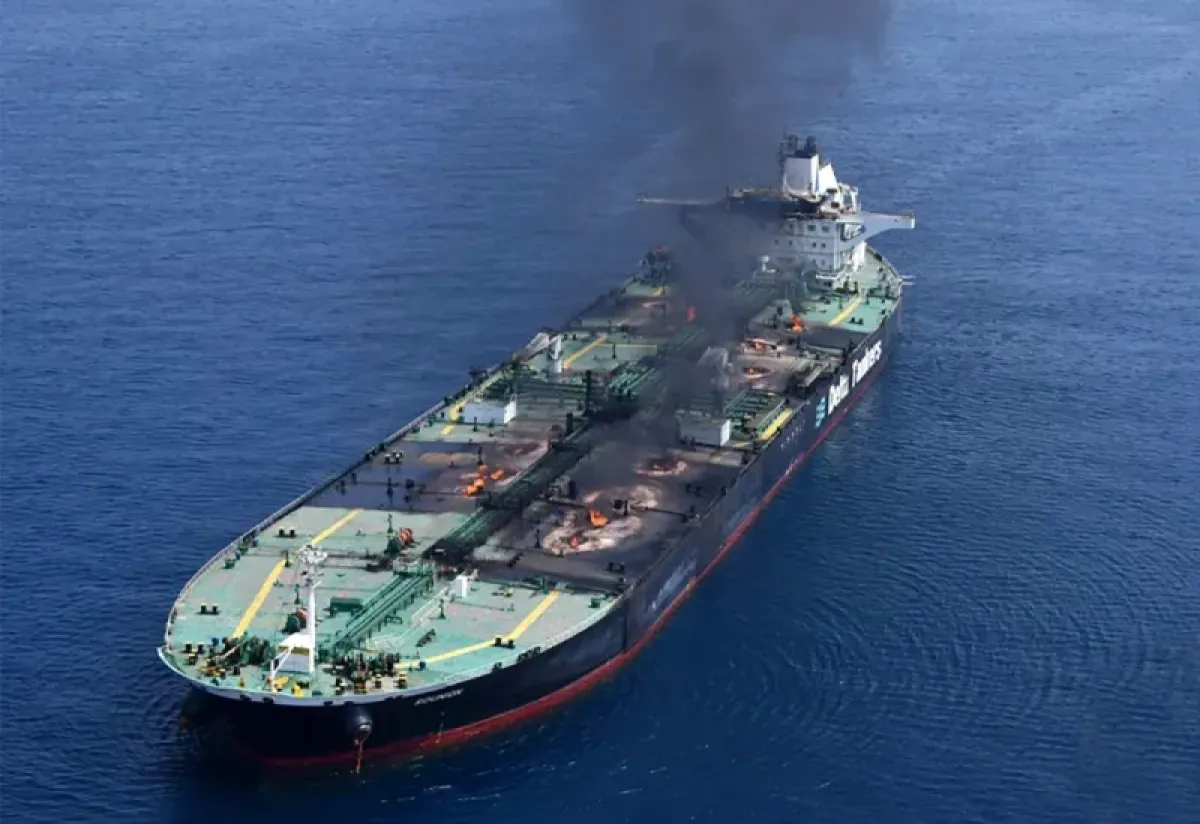
The Houthi militia announced on Tuesday that it conducted a new attack targeting the Saudi oil tanker "NCC GHAZAL" in the Red Sea, representing a significant escalation in the group's ongoing assaults on commercial vessels. This action further intensifies concerns regarding international navigation safety and global energy supplies.
Yemen's Houthi military spokesperson, Yahya Saree, claimed the targeting of the tanker was due to its alleged violation of a maritime blockade imposed by the group on Saudi Arabia. He stated the vessel ignored warnings before being struck by ballistic missiles, forcing it to retreat. This assertion was reported by Houthi-affiliated media outlets.
Saree affirmed the group's commitment to continuing its so-called "maritime blockade," characterizing it as a policy of "blockade for blockade and comprehensive escalation for comprehensive escalation." This stance indicates the militia's intent to persist in targeting vessels associated with the Kingdom and maritime trade routes.
Official comments from Saudi authorities or the tanker's operating company regarding these claims have not yet been issued. Reuters has also been unable to independently verify the veracity of the Houthi statements.
This Houthi announcement follows recent attacks on Saudi energy infrastructure. A memorandum from the consultancy IIR, reviewed by Reuters, revealed that Saudi Aramco shut down its Jazan refinery, with a production capacity of approximately 400,000 barrels per day, on July 27 following a Houthi-claimed attack. The memorandum indicated that the attack damaged the integrated combined cycle gasification unit and the oil tank farm, with repair and initial restart operations expected by mid-August.
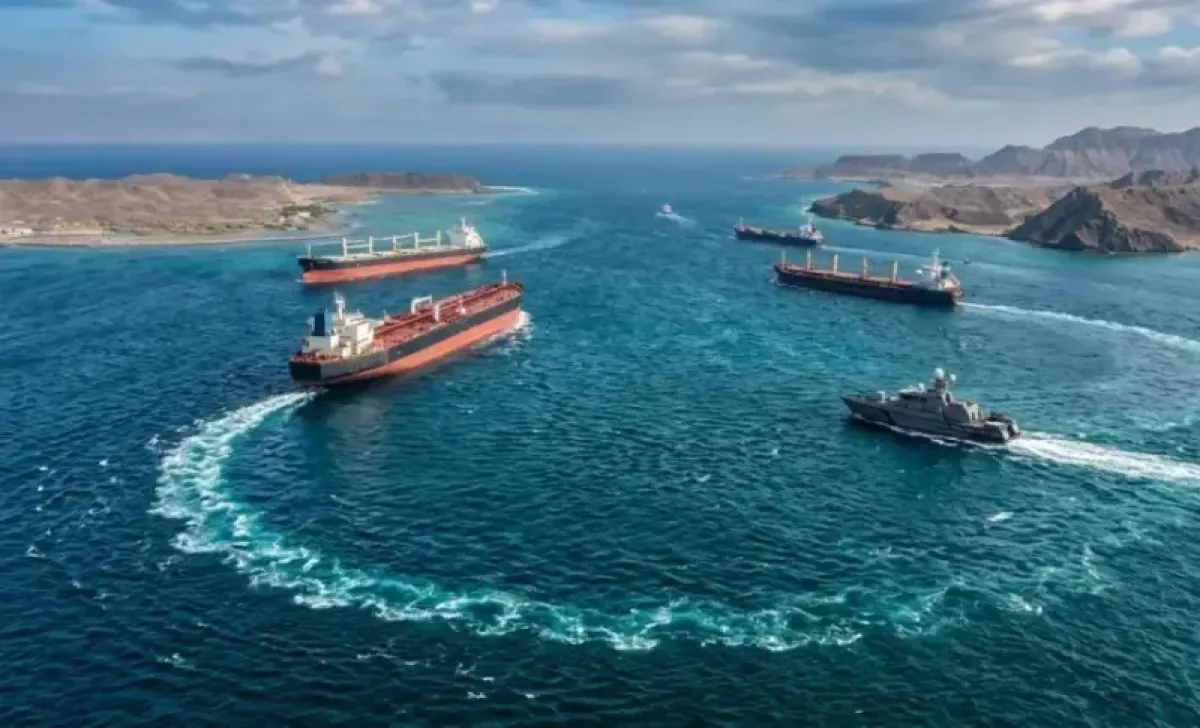
Observers note that targeting energy infrastructure introduces a new dimension to the escalation, particularly amidst ongoing volatility in global fuel markets and supply constraints stemming from regional and international crises. Concurrently, data from Kpler showed an increase in vessels transiting the Bab el-Mandeb strait to 28 on Monday, the highest level in four days, suggesting cautious optimism about potential understandings between the United States and Iran that could de-escalate tensions.
Despite this increase, shipping traffic remains below its peak on July 14, when 46 vessels passed through in a single day, reflecting the persistent impact of security risks on global shipping companies' decisions. Data indicates that four oil tankers, including a very large crude carrier, entered the Red Sea, while ten oil tankers departed the region, including the supertanker "New Pearl" carrying approximately two million barrels of Saudi crude destined for China. This makes it the fourth Chinese-bound supertanker to depart the Red Sea since the Houthis declared their alleged maritime blockade.
The persistent Houthi attacks against commercial vessels and oil facilities underscore the Red Sea's status as a primary focal point of regional tension. Any further escalation could have direct repercussions on international trade and energy markets, given the substantial reliance of global oil exports on vital maritime corridors passing through the Bab el-Mandeb and the Red Sea.