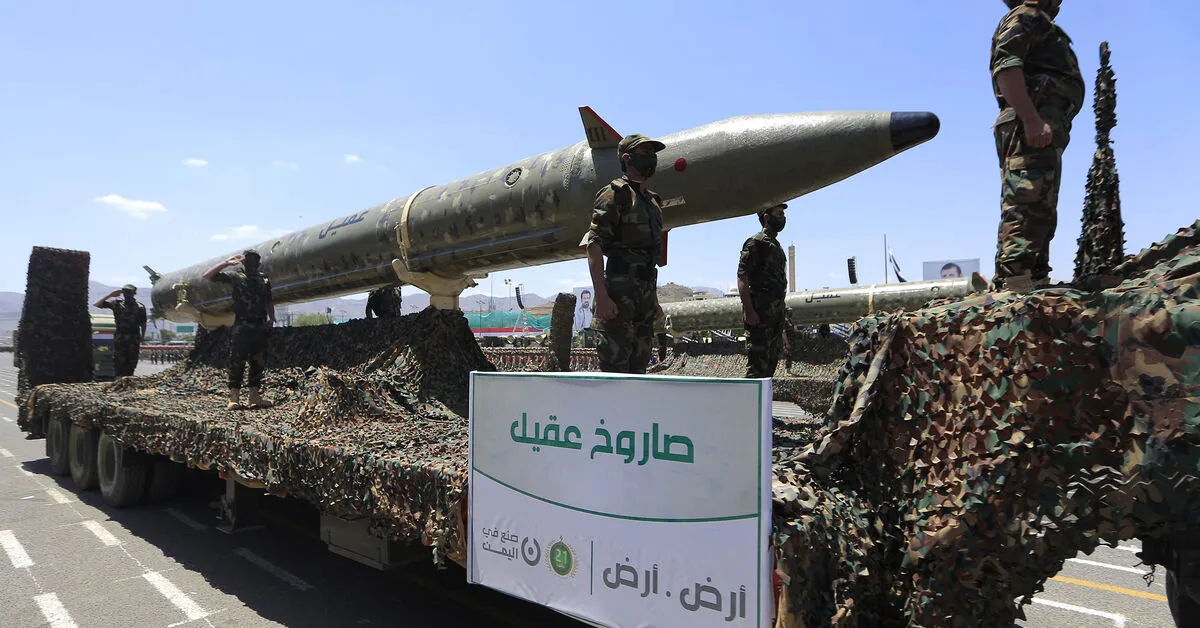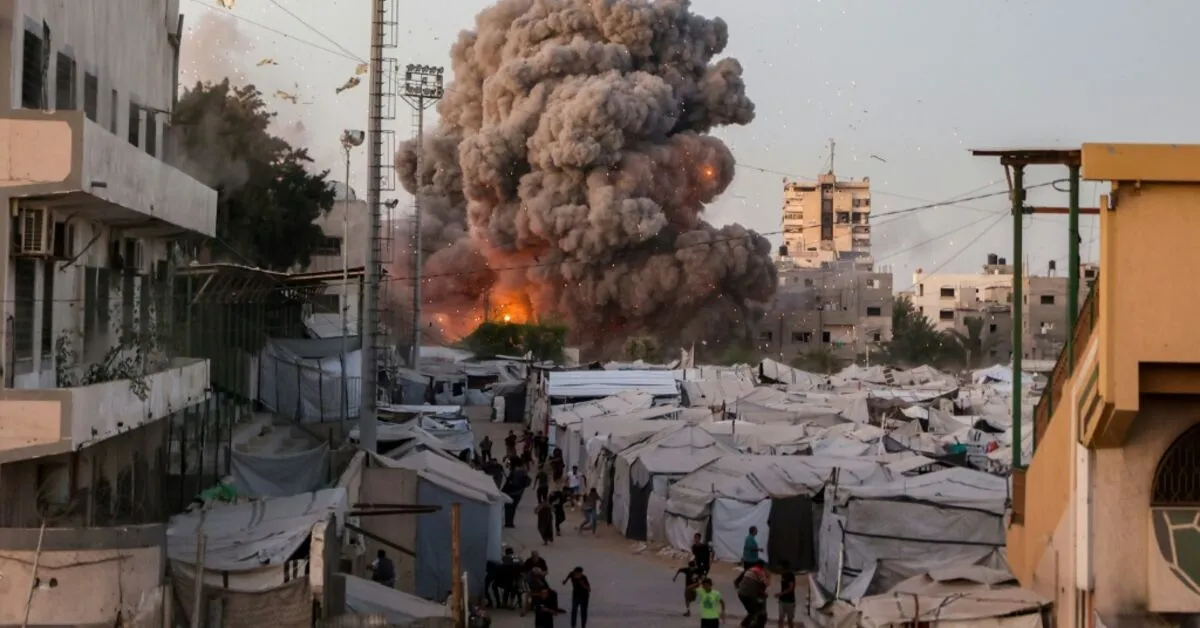
United States and Saudi Arabian forces conducted strikes against Iran-backed militants in Iraq on Wednesday, responding to recent attacks and breaking a brief pause in hostilities. The joint operation occurred as President Donald Trump met with Israeli Prime Minister Benjamin Netanyahu in Washington for their first in-person discussions since the Middle East conflict escalated in late February.
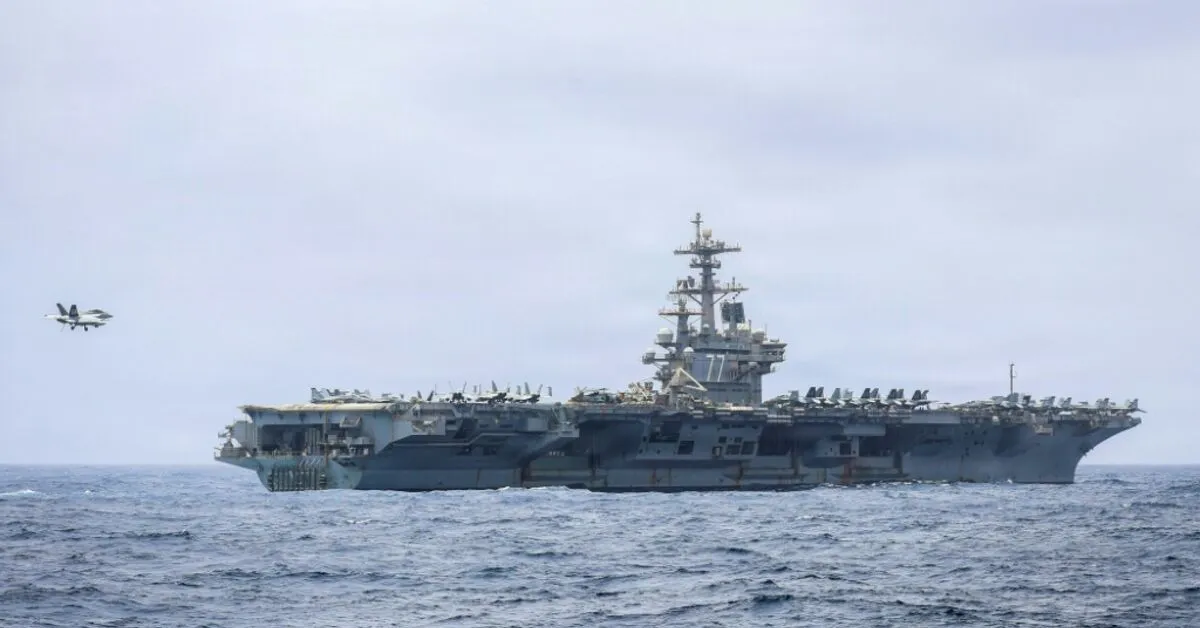
The dual air operation targeted logistics and weapons sites in eastern Iraq identified as belonging to "Iran-aligned terrorists," according to a statement from the U.S. military. The Saudi Ministry of Defense affirmed that these "terrorist militias loyal to Iran" were implicated in prior assaults on the Kingdom's oil infrastructure. This action follows the end of a several-day ceasefire in hostilities late Tuesday, during which U.S. forces reported intercepting Iranian missile launches aimed at American bases in the Gulf.
The temporary cessation of fighting was intended to facilitate new negotiations, particularly concerning the Strait of Hormuz. Iran's Islamic Revolutionary Guard Corps (IRGC) claimed on Wednesday to have intercepted and stopped three tankers in the strait, asserting its "full control" over the waterway. Crude oil prices saw a significant increase of over four percent amid renewed concerns over global oil supplies typically transported through this critical maritime route.
In parallel, President Trump hosted Prime Minister Netanyahu at the White House for private talks described by the U.S. administration as "positive and productive." The meeting, which lasted approximately ninety minutes, addressed efforts to reconcile recent public disagreements regarding the ongoing conflict. Prime Minister Netanyahu characterized the discussion as highly beneficial, emphasizing a shared objective of preventing Iran from acquiring nuclear weapons. President Trump provided a brief assessment, stating it was a "very good meeting."
The leaders were reportedly expected to discuss the implementation of a U.S.-brokered framework agreement between Israel and Lebanon, which has encountered practical challenges on the ground. Discussions may have also included the dire humanitarian situation and reconstruction efforts in Gaza, which remain stalled. President Trump later posted on social media that "many important subjects were discussed," accompanied by photographs from the Oval Office meeting. Ambassador Danny Danon of Israel to the United Nations had commented that Netanyahu's visit was timely, given Iran's continued support for terrorism and its actions in the Strait of Hormuz.