United States and Saudi Arabian forces conducted joint airstrikes on an Iraqi militant alliance on Wednesday, widening the regional conflict beyond its primary focus on Iran to include proxies of the Islamic Republic.
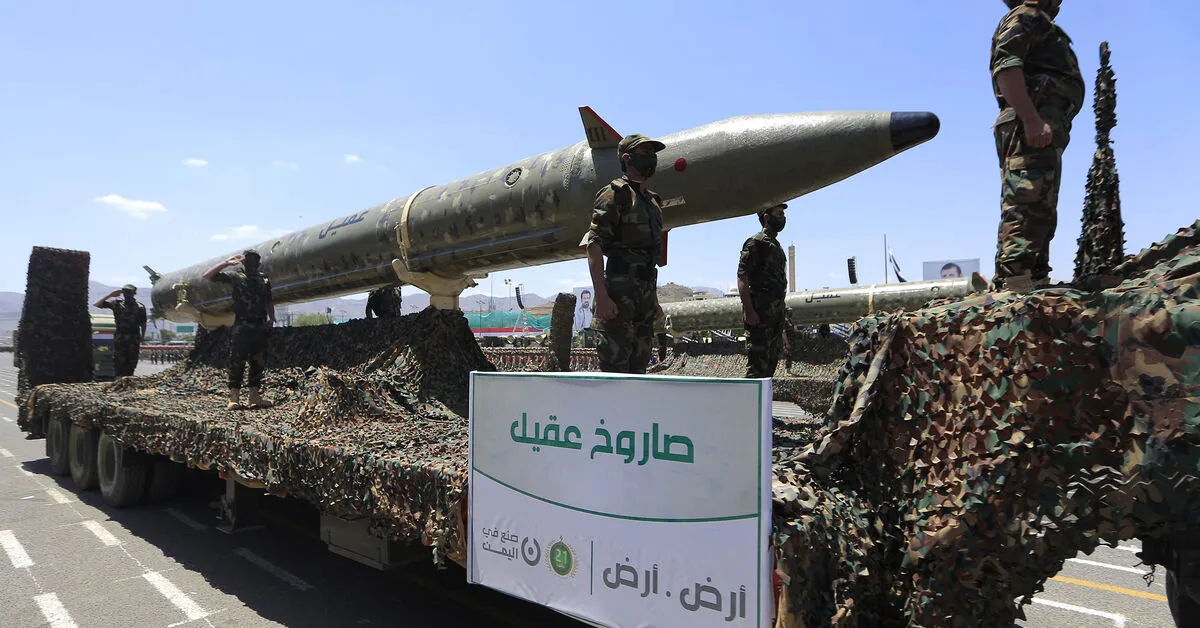
The coordinated operation followed a brief pause in direct US attacks on Iran, as Tehran's allies in Yemen and other regions become increasingly involved. Iran, in turn, launched missiles toward Jordan, marking its first regional attack since the cessation of direct hostilities with the US began. The strikes have led to a surge in crude oil prices, reigniting concerns about global supply disruptions, which have already been impacted by Iran's actions in the Strait of Hormuz and recent threats from Houthi forces against Saudi exports.
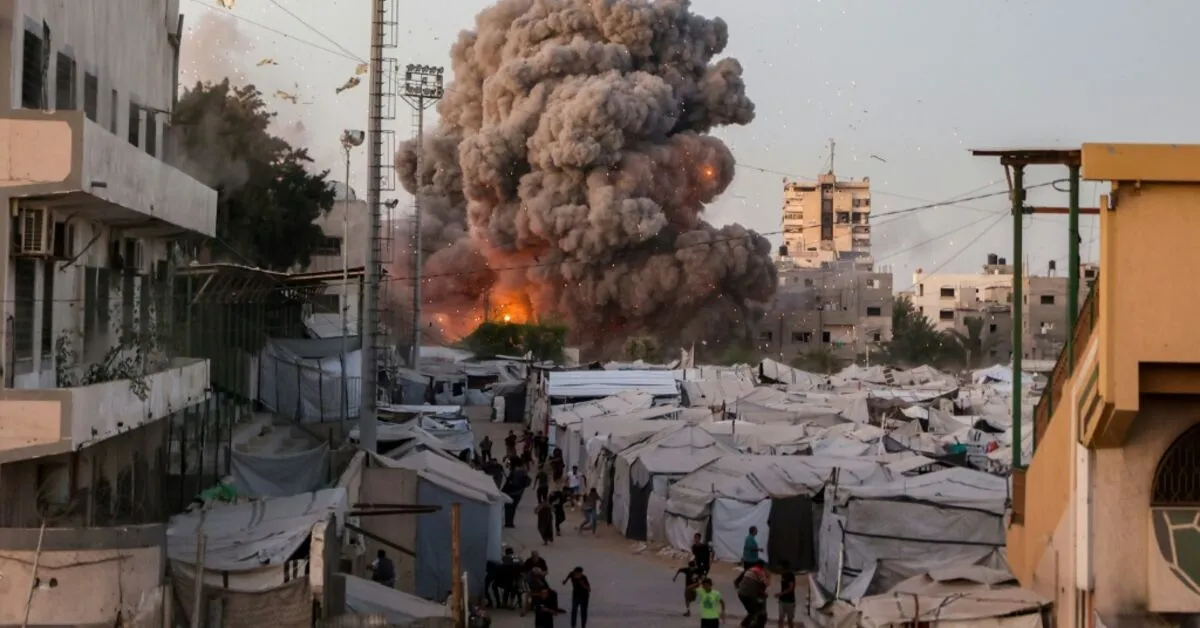
The joint air campaign in Iraq was a response to attacks by what Saudi Arabia described as "terrorist militias loyal to Iran" targeting its oil facilities. The US military confirmed that logistics and weapons sites belonging to an Iran-aligned group were targeted in Iraq. According to Iraq's Hashed al-Shaabi alliance, also known as the Popular Mobilisation Forces, the strikes resulted in the deaths of at least 20 members across seven provinces, including Baghdad. The alliance condemned the action as a "dangerous escalation" against an "official security institution."
The Hashed al-Shaabi, formed in 2014 to combat jihadists and later integrated into the Iraqi armed forces, comprises brigades affiliated with Iran-backed groups known for operating independently. Iraq has long served as a proxy battleground for its principal allies, the US and Iran, presenting a persistent challenge for successive Iraqi governments seeking to balance relations between the two powers. The recent strikes align with increased US pressure on Iraq to disarm pro-Iranian factions.
The recent lull in fighting was intended by the US to facilitate renewed negotiations, particularly concerning the Strait of Hormuz. Iran's Revolutionary Guards asserted on Wednesday that they had intercepted and halted three tankers in the strait, emphasizing their "full control" over the waterway. Concurrently, the Jordanian army reported intercepting five Iranian missiles, which the Revolutionary Guards stated were aimed at a US airbase and the US Central Command Center in Jordan. The Guards warned that "as long as the threats against the Islamic Republic of Iran continue... the resistance will continue."
These developments occurred as Israeli Prime Minister Benjamin Netanyahu was in Washington for discussions with President Donald Trump. The White House described the bilateral meeting on Tuesday as "positive and productive." The talks, which lasted approximately 90 minutes, addressed shared objectives, including preventing Iran from acquiring nuclear weapons. This meeting followed a period of recent hostilities between the US and Iran, which escalated earlier this month after the collapse of an April ceasefire agreement.