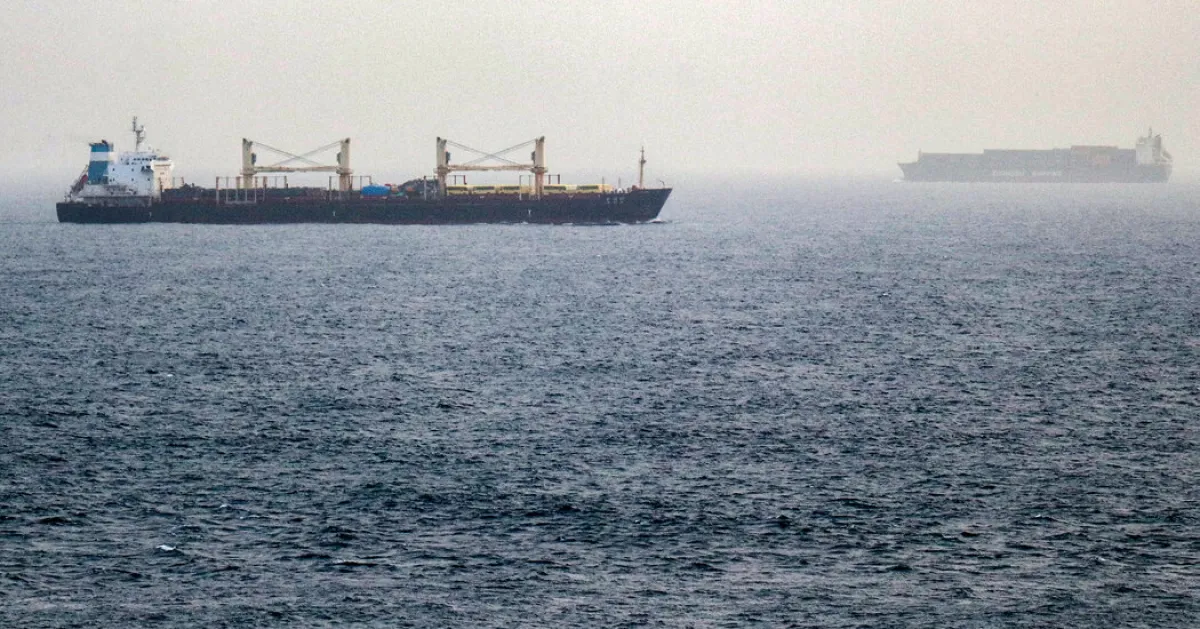
Weeks of intense conflict between the United States and Iran have seen repeated cycles of cease-fires followed by renewed hostilities, particularly concerning control of the Strait of Hormuz, a vital chokepoint for global oil trade.
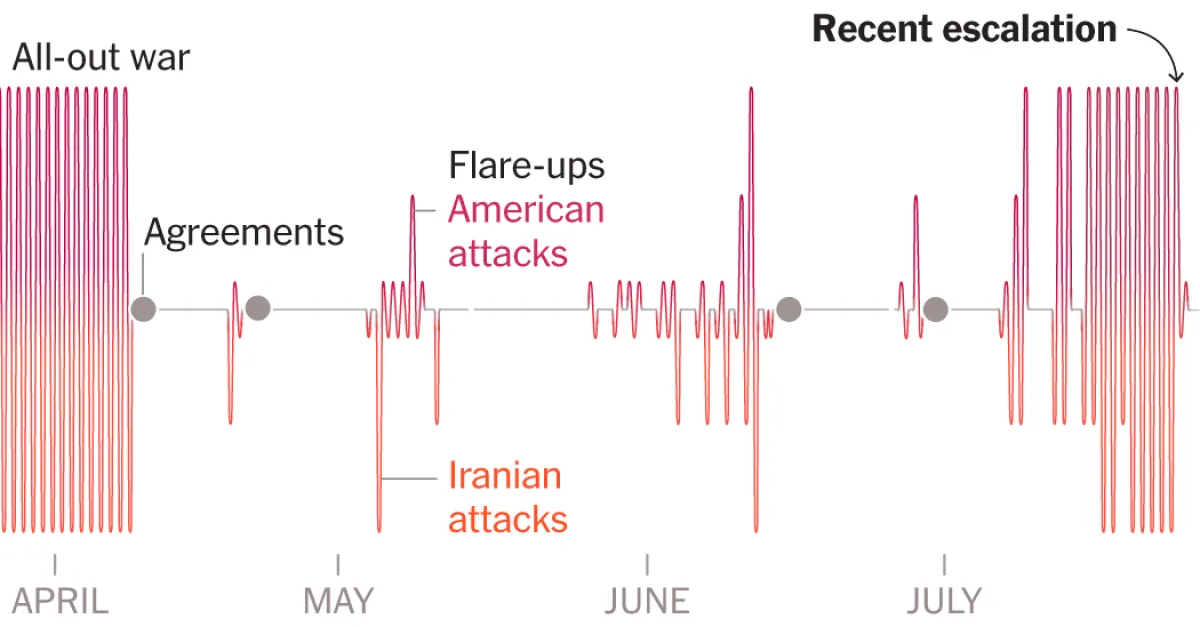
Following an all-out conflict, a two-week cease-fire was brokered in April, aimed at facilitating negotiations for a lasting peace. However, disputes over the Strait of Hormuz reignited clashes shortly thereafter, with the U.S. enforcing a blockade of Iranian ports and Iran retaliating by attacking vessels and threatening to close the waterway.
Laura Wise, a research fellow at the University of Edinburgh, noted that fluctuations between fighting and calm are common in peace processes as proposals and counterproposals are exchanged. However, she highlighted that the "level of volatility, and how public the whiplash back and forth has been — that’s not normal" in this instance. Ms. Wise suggested that an American administration seemingly prioritizing "getting a deal rather than making peace" has further complicated the situation.
Tensions escalated through May as the U.S. military began escorting vessels through the strait, prompting further Iranian attacks, which were met with military responses. By mid-June, a 60-day memorandum of understanding to cease hostilities was announced, leading to the lifting of the U.S. naval blockade.
This truce proved short-lived due to the ambiguous language of the agreement, which fueled further disagreements over the control of the Strait of Hormuz. Late June saw renewed clashes after the United States accused Iran of attacking a commercial vessel. Despite subsequent agreements to halt fighting, hostilities resumed. On July 8, following further Iranian attacks on ships, President Trump declared the cease-fire over, initiating a new round of strikes that brought the nations to the precipice of full-scale war.
After a period of intensive U.S. bombing in southern Iran, a temporary pause in direct engagements ensued over the weekend, though both sides issued threats of resuming hostilities. This cycle concluded early Wednesday morning when the United States and Saudi Arabia targeted Iranian proxies in Iraq, and Iran claimed to have attacked U.S. military assets in Jordan.