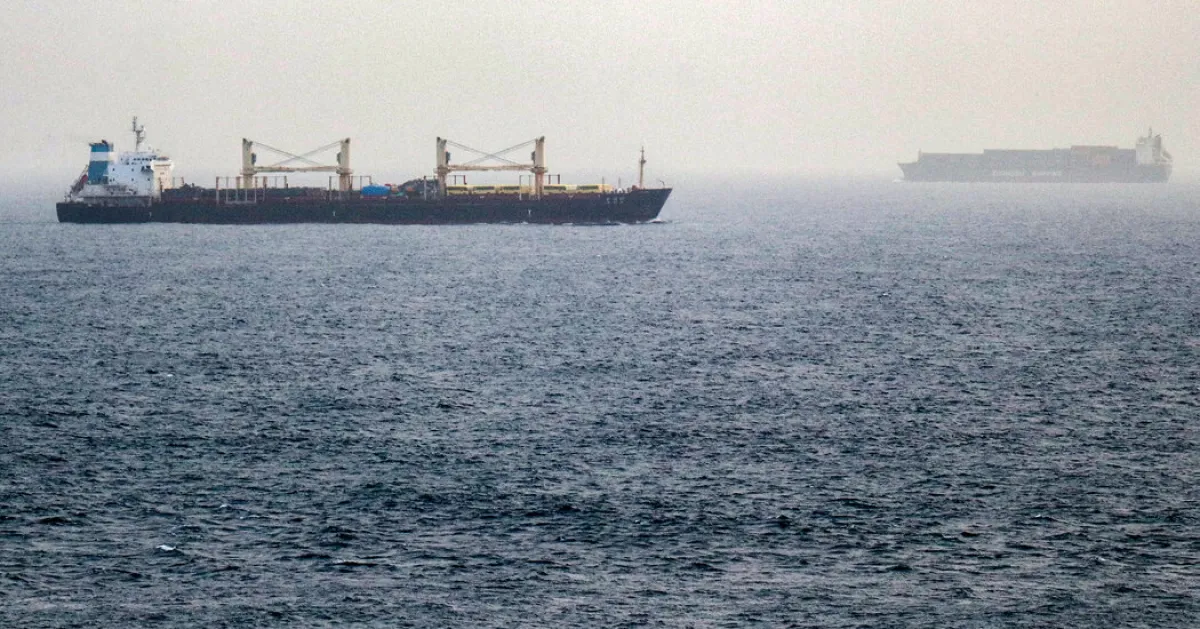
Ships transporting energy products from the Middle East are facing significantly elevated risks of attack on two vital waterways, potentially leading to further disruptions in the global supply of oil and natural gas.
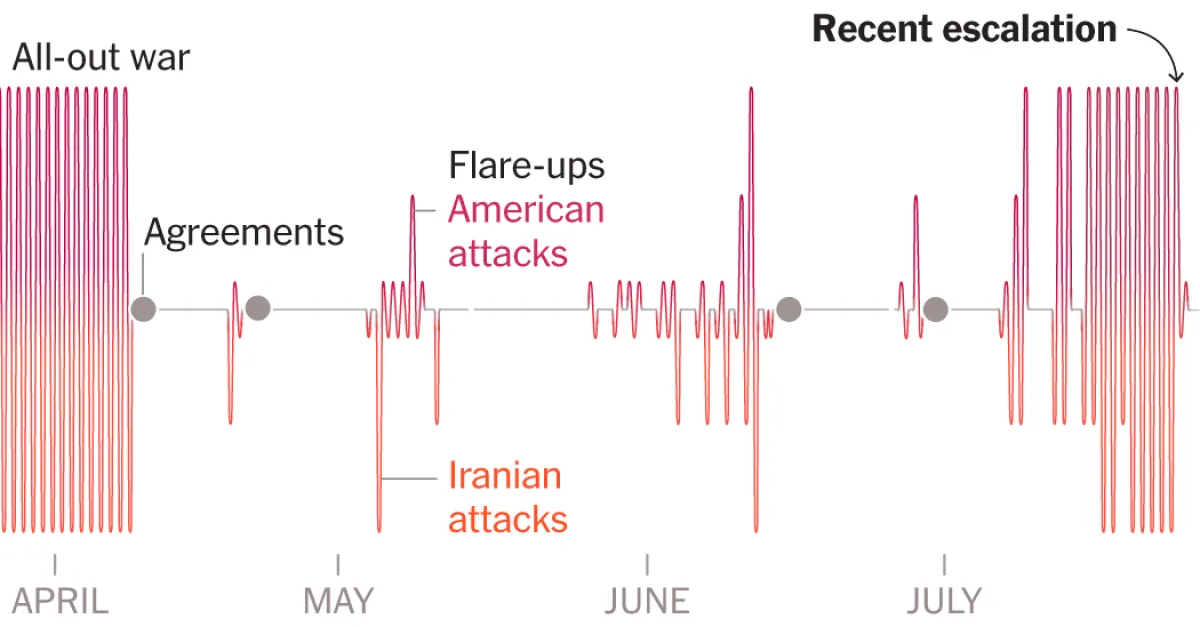
Ongoing conflict in the region, including missile exchanges between the United States and Iran, has already impeded traffic through the Strait of Hormuz, the principal artery for oil exports from the Persian Gulf. This heightened risk has led many shipowners to deem the Strait of Hormuz too hazardous.
Consequently, the Bab al-Mandab strait in the Red Sea, which serves as a critical conduit for Saudi Arabia's oil exports, has also become a dangerous passage. The renewed hostilities have contributed to a rise in oil prices, with Brent crude surpassing $90 a barrel on Wednesday.
Saudi Arabia has mitigated its dependence on the Strait of Hormuz by channeling a substantial portion of its oil through a pipeline, with exports loaded onto tankers in the Red Sea. These vessels then navigate south through the Bab al-Mandab strait, bordering Yemen. The Iranian-backed Houthi militia, which declared a blockade on Saudi Red Sea ports on July 20, has positioned itself to threaten these tankers.
A Houthi spokesman claimed responsibility for an attack on a Saudi tanker off the coast of Yemen on Tuesday, though the veracity of this claim remains unconfirmed. The United Kingdom Maritime Trade Operations reported suspicious activity in the southern Red Sea, where a vessel's captain reported hearing an explosion. The ship and its crew were reported to be unharmed.