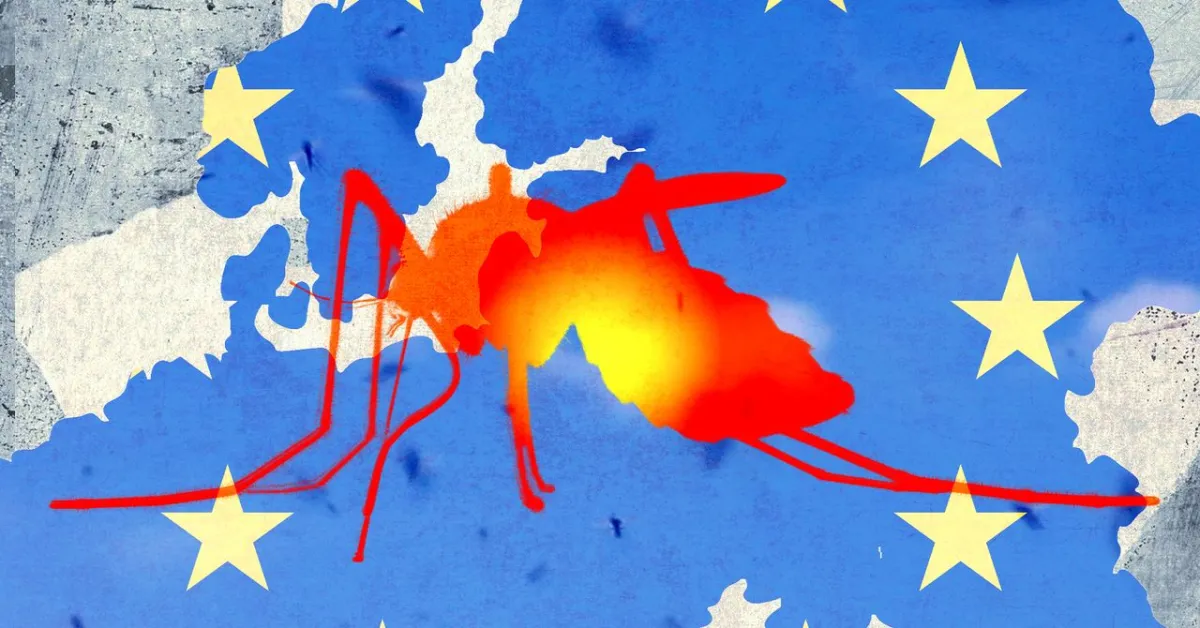
Europe is increasingly facing outbreaks of tropical diseases like dengue fever and chikungunya, driven by rising temperatures that allow invasive mosquito species to thrive. Recent events in Italy, where a cluster of dengue cases emerged with no travel history, highlight the growing risk as climate change expands the territory of disease-carrying insects.
The Asian tiger mosquito, or Aedes albopictus, is a primary vector for these diseases and is now found across Europe. This mosquito bites during the day and can survive in temperatures as low as 10 degrees Celsius (50 Fahrenheit), enabling it to establish populations even in cooler climates and potentially spread northwards. While current outbreaks typically occur in late summer, an elongating mosquito season, particularly in southern Europe, means these diseases could become more prevalent and potentially endemic.
Researchers have found that the temperature threshold for chikungunya transmission is lower than previously thought, with outbreaks possible at just 14 degrees Celsius (57 Fahrenheit). This means many European countries could experience these diseases for longer periods each year. However, extreme heat above 35 degrees Celsius (95 Fahrenheit) and severe droughts can negatively impact mosquito populations, making disease spread patterns complex and dependent on varying weather conditions.
Effective preparedness relies on robust public health systems capable of reacting to emerging risks, rather than solely predicting outbreaks. While eliminating mosquitoes is not feasible, drastic reductions in transmission risks are possible. Innovative control methods, like releasing reproductively incompatible male mosquitoes, have shown promise in reducing local populations, though cost remains a barrier. Experts emphasize that public health infrastructure must be strong to manage these evolving challenges.
As invasive mosquitoes like the Aedes aegypti (yellow fever mosquito) also establish a presence in Europe, carrying diseases such as yellow fever, dengue, and Zika, residents may need to adopt precautions common in tropical regions. Simple measures like using mosquito nets, eliminating standing water, and wearing protective clothing can help mitigate the risk. The continent's ability to contain isolated outbreaks and prevent them from becoming widespread crises will be crucial in managing this ongoing public health shift.