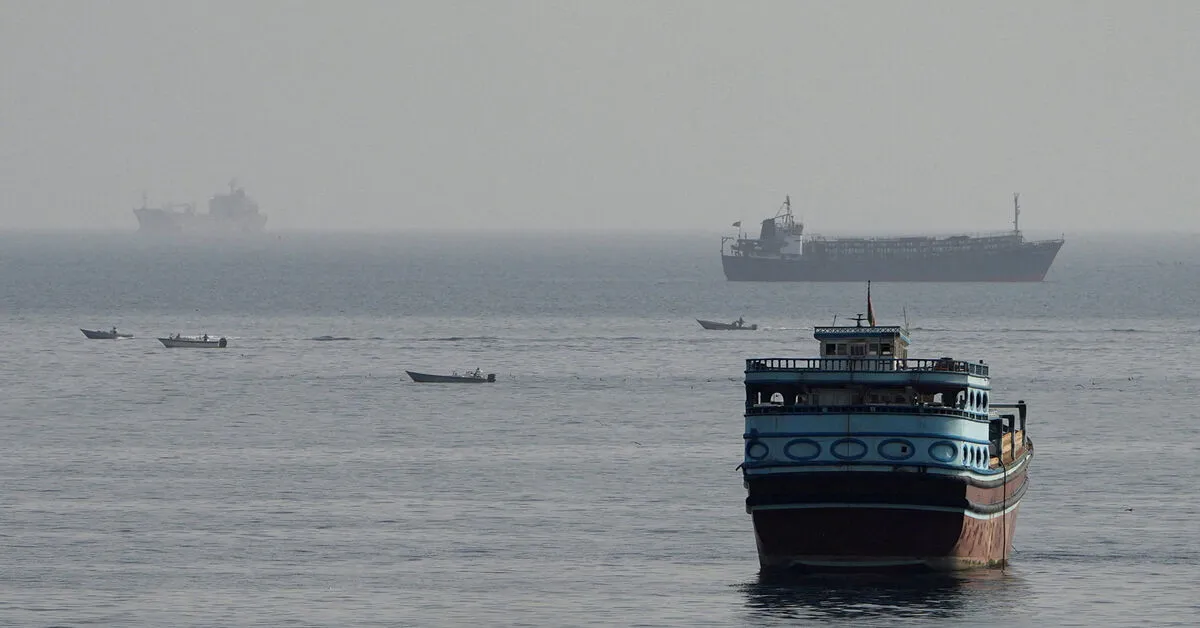
Shipping traffic through the critical Bab el-Mandeb and Strait of Hormuz waterways remained largely unchanged at the beginning of the week, according to shipping data, reflecting the uncertainty surrounding ongoing dialogue between the United States and Iran.
On Monday, Kpler shipping data indicated that 20 vessels, comprising 12 tankers and eight bulk carriers, transited the Bab el-Mandeb strait. This figure represents a steady flow compared to the previous day, with 12 departures and eight arrivals, the majority of which had their transponders activated. The data coincides with a period of ambiguity regarding progress in U.S.-Iran negotiations. Iran's Foreign Ministry spokesman, Esmail Baghaei, stated on Monday that no negotiations with the U.S. were currently underway, and no meetings were scheduled.
This statement follows remarks made by U.S. President Donald Trump on Sunday, wherein he indicated a pause in initiating further attacks on Iran pending the outcome of ongoing discussions aimed at de-escalating tensions and resolving disputes over maritime control in the Strait of Hormuz.
Traffic through the Strait of Hormuz also showed minimal change, with six vessels—three tankers and three bulk carriers—making the transit on Monday, a slight decrease from the seven recorded the previous day, according to Kpler data. These six movements involved five arrivals and one departure, all navigating via the Iranian shipping lane.
It is important to note that some vessels may still be operating with their transponders deactivated, meaning they are not included in the official counts. The persistent risk of vessel attacks continues to foster a cautious sentiment among shipping operators in these key maritime corridors. This has led some Saudi-flagged supertankers to alter their routes in the Gulf of Aden, diverting to southern Africa in response to threats issued by Yemen's Houthi movement against Saudi shipping.