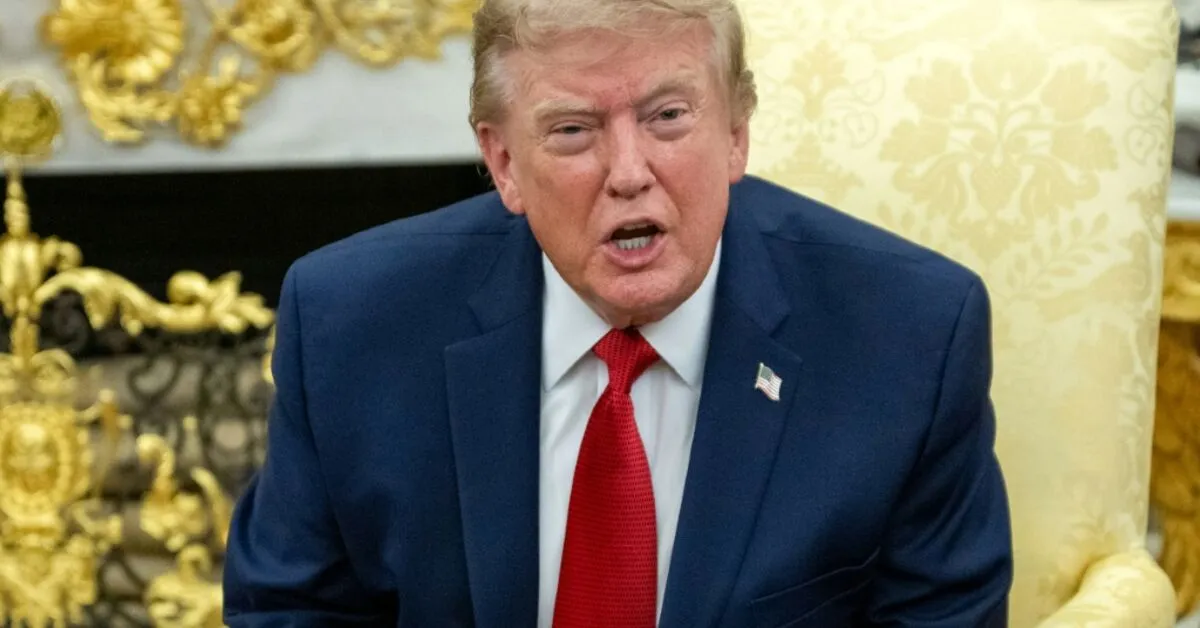
Former U.S. President Donald Trump has declared his intention to impose "economic warfare" on Iran, threatening any nation that engages in trade with Tehran. Iran, in response, has characterized the move as a continuation of unsuccessful policies.
Trump announced on his Truth Social platform his plan for "the MOST CRUSHING ECONOMIC OPERATION EVER TAKEN AGAINST ANY COUNTRY! This will be Economic Warfare and Isolation on an unprecedented scale." He further stated that any country facilitating trade with Iran, whether through financial institutions, businesses, or government entities, would face "TREMENDOUS Economic Consequences."
This announcement follows a period of heightened tensions, described by the source as a stalemate in the conflict between the U.S. and Iran, with stalled peace talks, Iran's continued control over the Strait of Hormuz, and the U.S. maintaining a naval counter-blockade. The report suggests Trump's pronouncement may be an effort to exert pressure on Tehran amid domestic concerns regarding the economic impact of the ongoing conflict and the upcoming midterm elections.
Iranian Foreign Minister Abbas Araghchi dismissed Trump's plan as a repetition of "failed policies" that would result in "further defeat" for Washington. He argued on the platform X that the initiative distracts from America's own economic challenges, citing "unprecedented debt & surging interest costs," and labeled U.S. economic actions as "economic terrorism" that threaten the global economy and sovereignty.
Despite extensive international sanctions, Iran has managed to continue exporting oil, with China identified as a major purchaser. While Trump did not name specific countries in his threats, the U.S. has previously imposed tariffs on nations for engaging in energy trade with sanctioned entities. Trump's statement specifically targeted activities such as "oil smuggling, swap lines, cash transfers, exchange houses, ship registries, front companies." Iran reportedly utilizes a "shadow fleet" of tankers to circumvent sanctions and maintain its oil trade. The effectiveness of any new sanctions remains uncertain given the existing U.S. blockade of Iranian ports. Iran, meanwhile, continues to exert economic pressure by largely maintaining the closure of the Strait of Hormuz, a vital shipping lane for approximately one-fifth of global oil supplies prior to the conflict.
Analysts suggest that Iran's increasingly confrontational stance reflects an assessment that the U.S. has eschewed direct military conflict and is instead focused on maintaining the status quo through economic pressure and naval blockades. This perspective, coupled with the belief that diplomatic solutions are unlikely in the current climate, may compel Iran to consider more assertive actions. The appointment of hardliners to senior security positions within Iran is seen by some as an indicator of the nation preparing for a prolonged period of potential conflict.