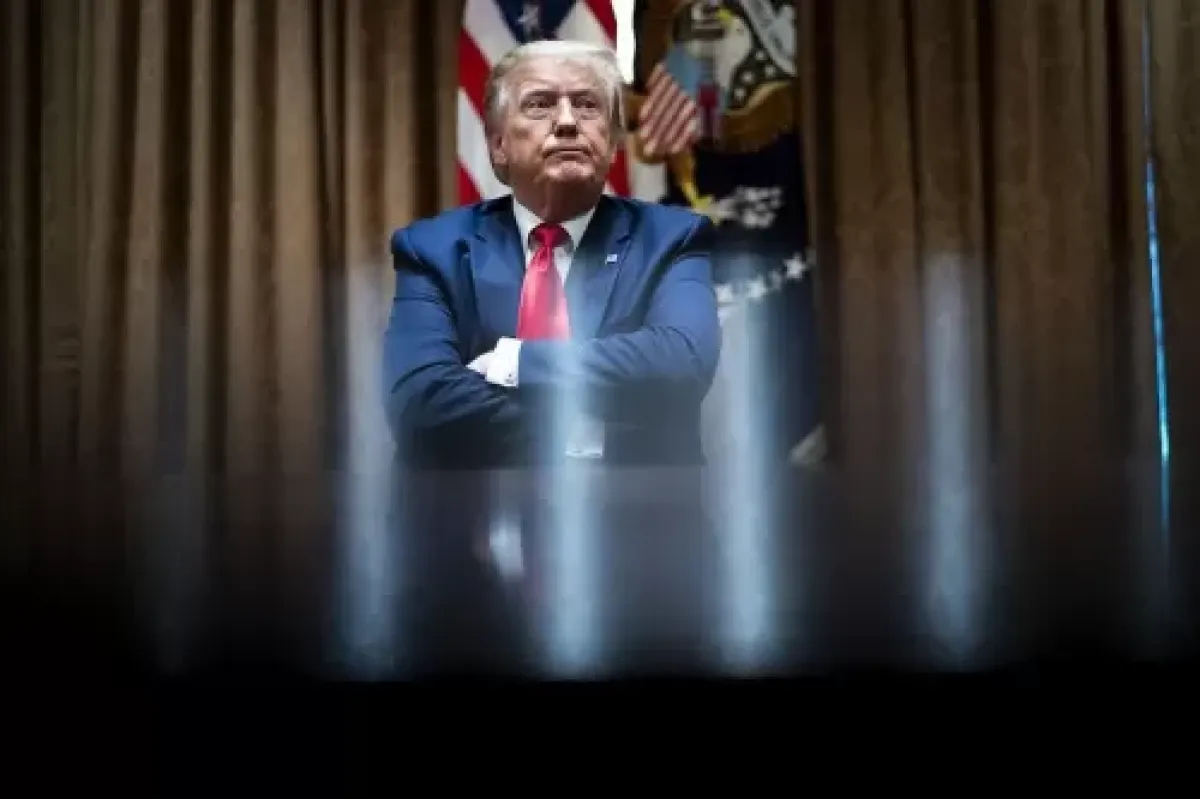
President Donald Trump has escalated his economic pressure on Iran, vowing to impose what he described as "the economic day of reckoning" as efforts to reopen the Strait of Hormuz and negotiate an end to a six-month conflict falter.
Trump announced on Wednesday that the United States is preparing a sweeping economic campaign against Iran, which he characterized as potentially "the most severe economic action ever taken against any country." This escalation, according to his statements, aims to transcend traditional sanctions by targeting trade, finance, and transportation networks connected to the Iranian economy.
In a post on the "Truth Social" platform, Trump warned that any nation allowing its financial institutions, companies, airports, or government entities to support Iran would face "massive economic consequences." This message appears directed not only at Tehran but also at parties that continue to provide Iran with economic avenues to circumvent U.S. sanctions.
The anticipated escalation, as revealed by Trump, targets key channels Iran utilizes for revenue generation and sanctions evasion, including oil smuggling, swap lines, monetary transfers, foreign exchange activities, as well as ship registries and shell companies linked to Iran. These threats hold particular significance given the Iranian economy's reliance on a broad network of intermediaries and entities that facilitate trade and energy movement despite years of sanctions.
China, Iran's largest trading partner, leads the list of key economic partners, alongside various regional nations. Iranian trade with Europe remains limited due to cumulative sanctions and restrictions. Trump indicated that the U.S. possesses additional economic tools for sanctions, suggesting "new things" could be targeted, linking the outcomes of economic pressure to oil price fluctuations.
These statements align with warnings from U.S. Treasury Secretary Scott Bessent, who stated last week that Washington is preparing new measures to bring Iran back to the negotiating table. Bessent indicated that the world should anticipate further announcements regarding actions that will isolate Iran economically to an unprecedented degree. Collectively, these remarks suggest the Trump administration views forthcoming sanctions not merely as an additional set of restrictions but as a comprehensive pressure tool designed to cripple Iran's access to revenue, markets, financial services, and international transport.
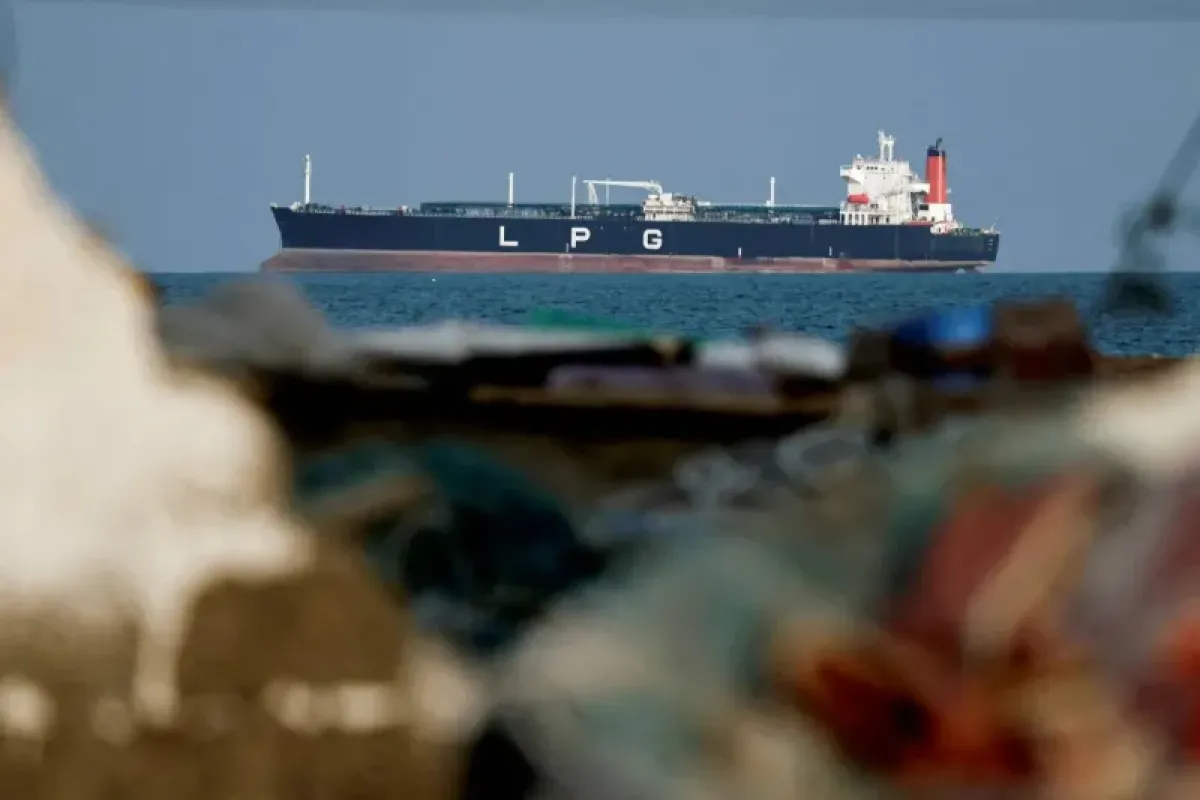
The escalation follows the expiration of a 60-day deadline on Monday for reaching an agreement between Washington and Tehran, as stipulated by a memorandum of understanding signed in June. No progress has been announced in the talks, nor has an agreement been reached to fully reopen the Strait of Hormuz. The strait is a critical strategic chokepoint, through which approximately 20 percent of global oil supplies pass, making any disruption to its traffic a significant factor for Iran, the United States, energy markets, and the global economy.
Jared Kushner, Trump's son-in-law, described back-channel communications as "positive and active," while Tehran denied any ongoing contact. Trump himself stated that no direct talks are currently underway. This discrepancy highlights the widening gap between the two sides and underscores that economic pressure has become a central element of Washington's strategy to compel Tehran to make concessions on contentious issues.
The White House insists on the cessation of Iran's nuclear program as a prerequisite for a permanent ceasefire, a demand Tehran has thus far rejected. U.S. officials suggest the administration is betting that mounting economic pressure and the ensuing crisis within the Iranian economy will compel the Iranian leadership to return to negotiations and offer concessions. Trump reinforces this conviction, asserting that the U.S. Navy's blockade of Iranian vessels and ports has proven effective, signaling a desire to expand economic and maritime pressure concurrently with financial sanctions.
Consequently, Washington appears to be pursuing a strategy of gradually strangling Iran's economic lifelines by targeting oil revenues, tightening oversight on financial transfers, blockading shipping networks and shell companies, and increasing the cost of any economic cooperation with Tehran. The success of this strategy hinges significantly on Washington's ability to curtail Iran's circumvention channels, particularly its economic relations with China and other nations. Iran relies not only on official transactions but also on intricate networks of companies, intermediaries, shipping operations, and foreign exchange activities, making the task of imposing a comprehensive economic blockade more complex than simply issuing new sanctions. Therefore, Trump's threat of "massive economic consequences" for any entity aiding Iran serves as a deterrent to countries and companies that might continue dealing with Tehran, potentially shifting sanctions from direct targeting of Iran to secondary pressure on third parties.
However, this American escalation carries global economic risks, particularly if intensified sanctions or continued crisis in the Strait of Hormuz lead to greater disruptions in oil traffic. Trump himself has linked the outcomes of economic pressure to oil prices, discussing the possibility of sharp declines, while the strait represents a major bottleneck in global energy trade. Thus, Washington is attempting to use oil as leverage against Iran, while Tehran possesses the capacity to influence the security of maritime routes and energy flows, making the economic escalation fraught with the potential for repercussions extending beyond the two countries.
With the 60-day deadline having passed without an agreement, the next phase appears open to two paths: either sanctions and economic pressure will compel Tehran to return to the negotiating table and offer concessions, or the economic escalation will evolve into a longer and more complex confrontation, especially if disagreements over the nuclear program and the Strait of Hormuz persist. While the Trump administration is betting that "economic strangulation" can force Tehran to reconsider its calculations, Iran is banking on its resilience and ability to bypass sanctions through its allies and alternative trade networks. In either scenario, international markets and energy corridors appear to be facing a new test, with the possibility that forthcoming sanctions will serve as a pressure tool not only on the Iranian economy but also on the entire network of international dealings that help keep Iran's economy moving despite the blockade.