Government officials are reportedly sidestepping the primary cause of a prolonged domestic gas crisis affecting liberated regions, by failing to address the significant decline in production at the Marib gas facility. Despite official reports highlighting supply disruptions, the focus has remained on secondary factors such as tribal blockades and increased demand.
Recent documentation and official statements suggest a deliberate avoidance by the government of a man-made cabinet in addressing the root causes of the ongoing domestic gas crisis in liberated areas. During a Supreme Energy Council meeting chaired by Shayea Al-Zindani in the capital, Aden, a report from the Minister of Oil and Minerals was presented, detailing what he described as bottlenecks in the domestic gas supply.
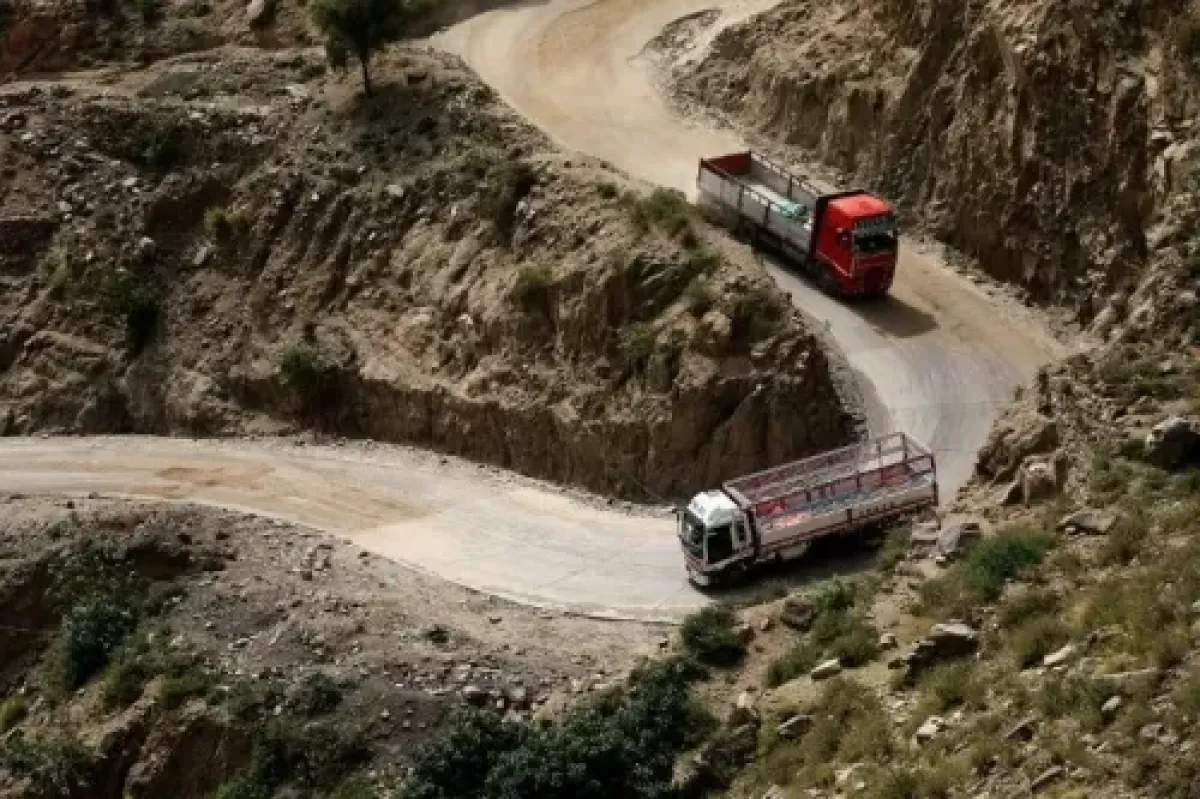
According to the official Saba Agency, the minister's report outlined key factors contributing to supply instability. These included tribal disruptions impeding the movement of gas tankers and alleged manipulative practices by certain traders. The minister also noted that the increased conversion of vehicles to run on gas had raised demand, consequently straining available local market supplies.
While the minister spoke of measures being implemented to overcome gas supply issues and ensure consistent distribution, the official report did not specify the nature of these actions. The report merely emphasized the necessity of integrated government, security, and local authority efforts to resolve supply chain impediments, regulate markets, and prevent monopolistic practices or price manipulation.
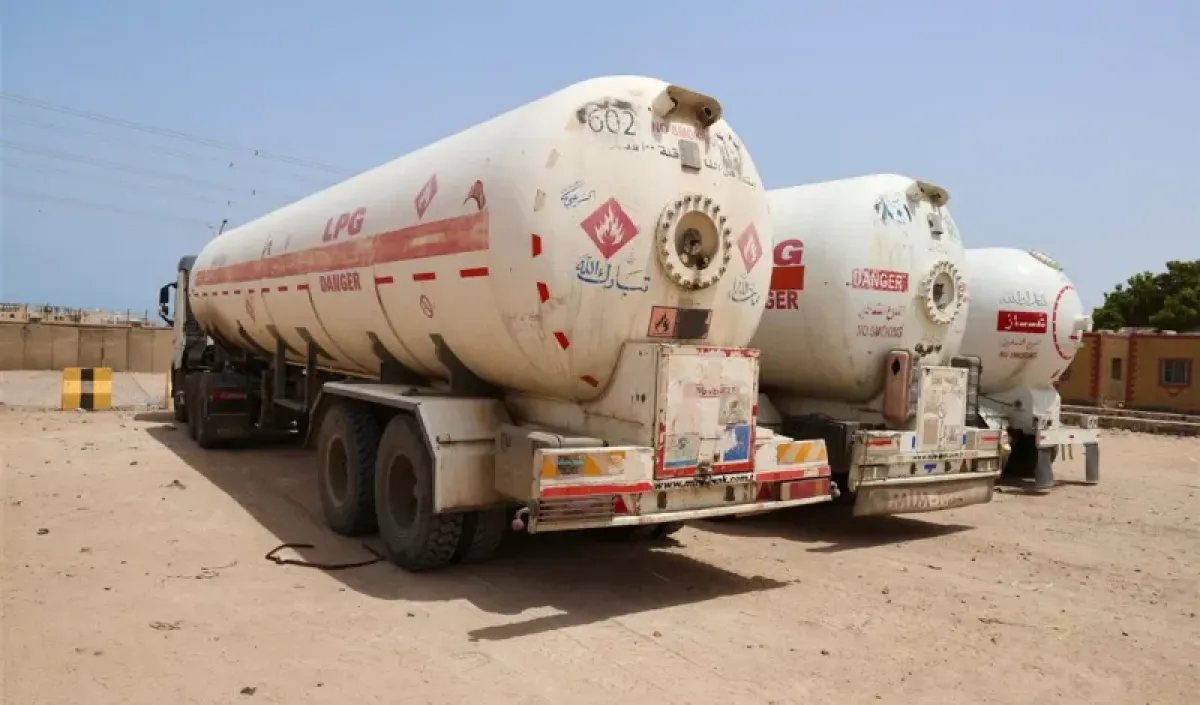
The government meeting attributed the crisis primarily to tribal disruptions and the rise in gas-powered vehicles, while seemingly overlooking the critical issue of a sharp decrease in production at the Marib Gas Company. Production at the Safir facility in Marib has reportedly fallen by over 50% in the last month without a clear explanation. Daily tanker dispatches from the Marib Gas Company to liberated provinces have dropped to between 20 and 21 tankers, compared to a previous average of 50 to 54 tankers per day.
Although initially tight-lipped about the production decline, the Marib Gas Company recently acknowledged it, citing maintenance work. However, this explanation has been met with skepticism, particularly as a memorandum from the company's CEO, Mohsen bin Waheet, warned of potential production collapse. The memo reportedly indicated the shutdown of a gas processing plant, exacerbating the deficit and leading to a daily loss of approximately 6,000 barrels of domestic gas, equivalent to about 20 tankers.
The government's apparent disregard for the deteriorating production situation at the Marib facility, which previously supplied gas even to areas controlled by Houthi militias, has drawn criticism. Prior to the militia's import of Iranian gas, Safir's production reportedly covered several governorates. Official statements from two months prior indicated a drop from approximately 128 tankers daily to around 54, with the reasons for this significant reduction remaining undisclosed.
In response to the production shortfall, the Minister of Oil stated that increasing Safir's output requires substantial financial resources. He also revealed a government plan to import domestic gas from abroad, citing insufficient local production to meet domestic consumption needs.