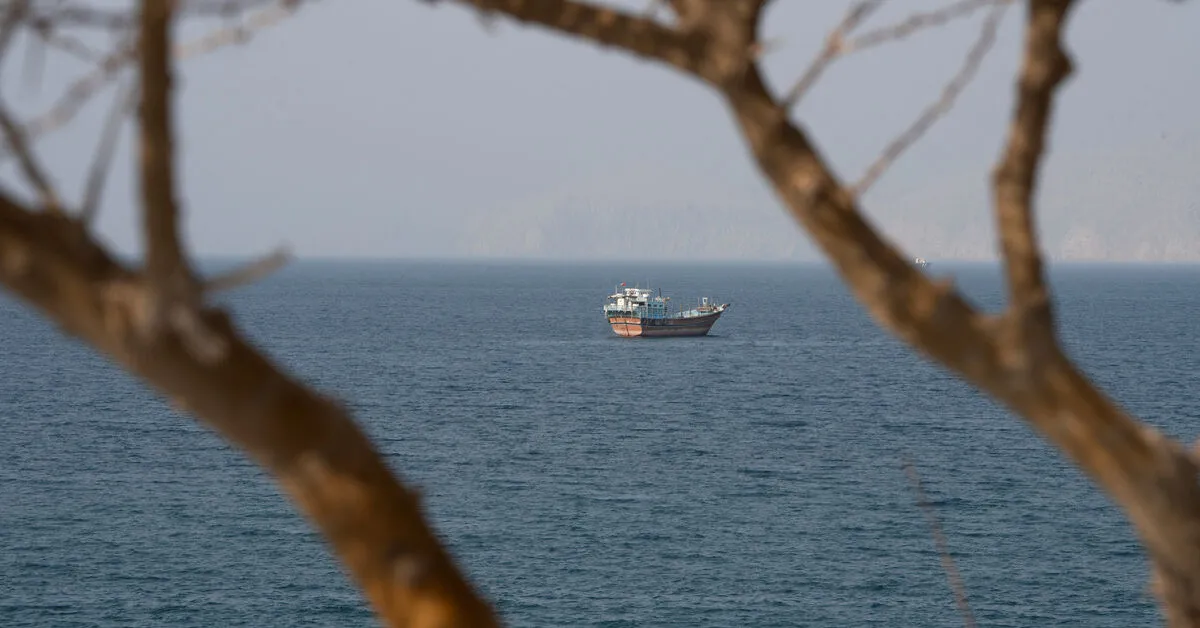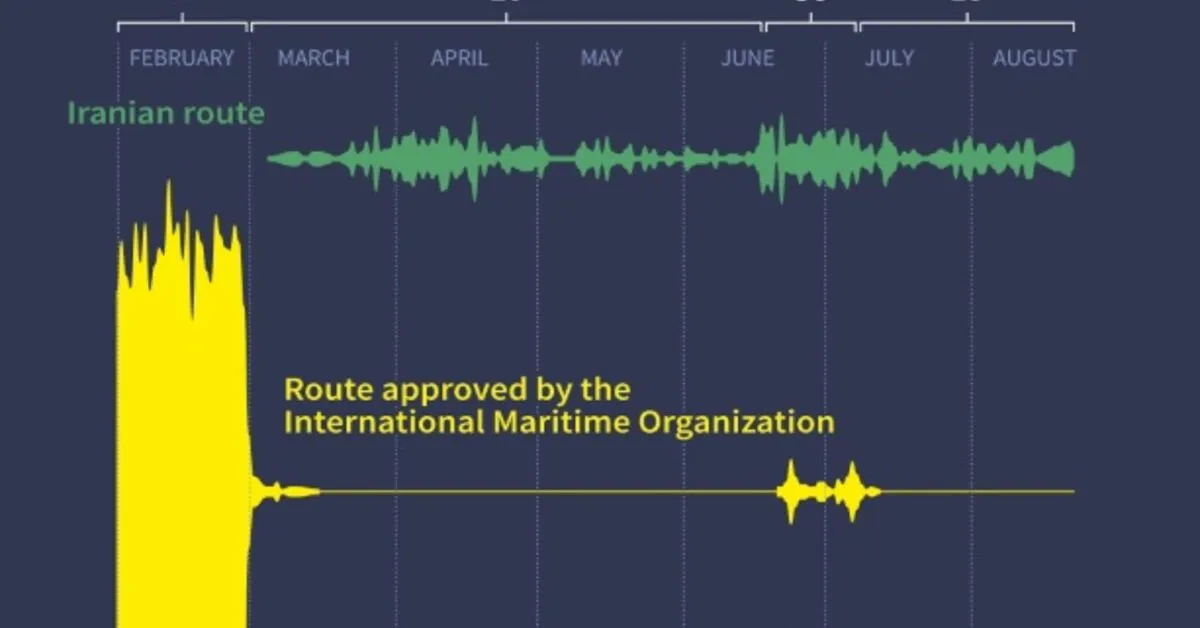
Six months into the Middle East conflict, the vital Strait of Hormuz remains significantly disrupted, with maritime traffic drastically reduced and thousands of sailors still unable to depart the Gulf.
Prior to Iran's blockade of the strait in February, triggered by joint US-Israeli strikes, approximately one-fifth of global oil and liquefied natural gas exports transited this strategic waterway. Iran's Revolutionary Guard Corps has also declared a 1,400 square kilometer area a "danger zone," warning of potential mine placements.
Following Iran's closure of the strait on March 1, commodity carrier traffic fell sharply to an average of 10 transits daily, a significant decrease from the 95 transits recorded in February, according to an analysis of data from maritime tracker Kpler. A temporary increase to 36 transits per day was observed after a US-Iran agreement in June, but traffic reverted to an average of 15 between July 8 and August 22, coinciding with renewed hostilities.
Vessel navigation has shifted from the single International Maritime Organization (IMO) approved route. Current transit options include a northern route near the Iranian coast, sanctioned by Tehran, and a southern route between the Omani coast and potentially mined areas. During a brief period of reduced tension from June 17 to July 7, an average of nine ships used the Iranian route and eight the Omani route, with others utilizing unidentified or the traditional IMO corridor.
Since the ceasefire collapsed on July 8, Kpler reports that two-thirds of transits have become "dark," meaning their routes are unconfirmed due to issues such as disabled transponders, signal jamming, or missing satellite imagery, a stark contrast to less than one percent before the conflict.
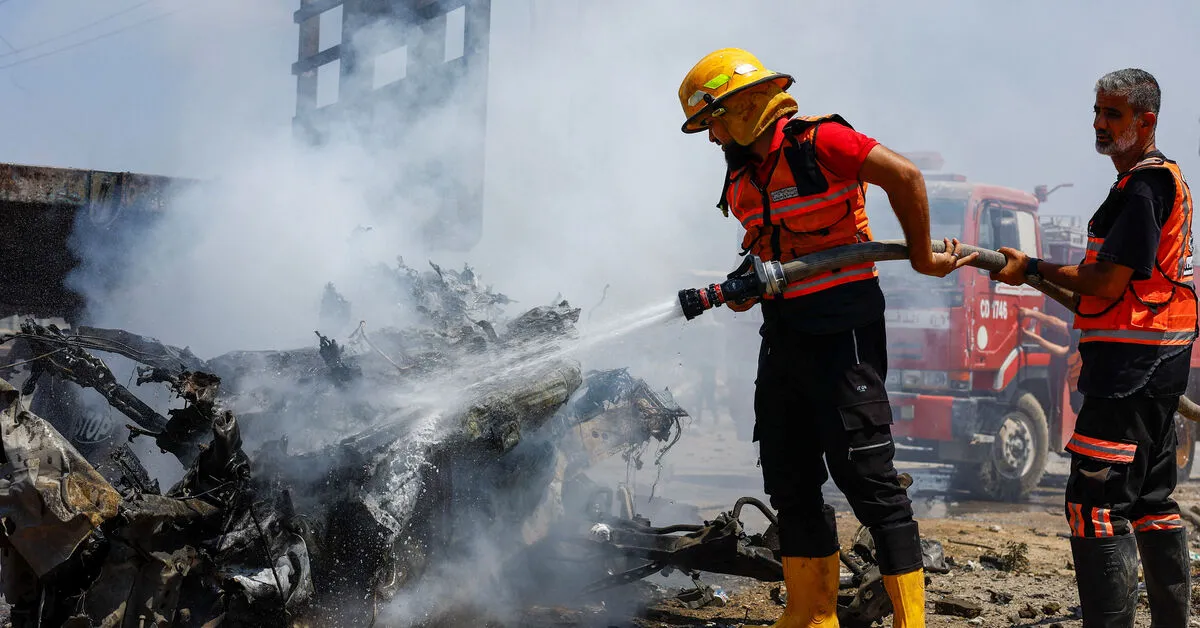
The IMO has reported that approximately 6,000 sailors and 500 ships have been stranded in the Gulf since the conflict began. The organization is engaged in discussions for a secure maritime route, contingent on regional de-escalation. An earlier IMO initiative to evacuate over 11,000 seafarers was suspended following an attack on a vessel. Incidents and attacks in the region over the past six months have resulted in at least 20 confirmed fatalities among sailors and dockworkers, according to the IMO.