The Yemeni landscape has evolved beyond a protracted political crisis or a war seeking an end; it has transformed into a complex state where politics intertwines with economics, security with services, and local conflict with regional and international tensions. As regional power dynamics shift, Yemen finds itself at a pivotal moment: either the surrounding transformations will serve as an opportunity to reorganize the internal affairs, or they will open the door to a new round of crises that deplete the remaining capabilities of the state and society.
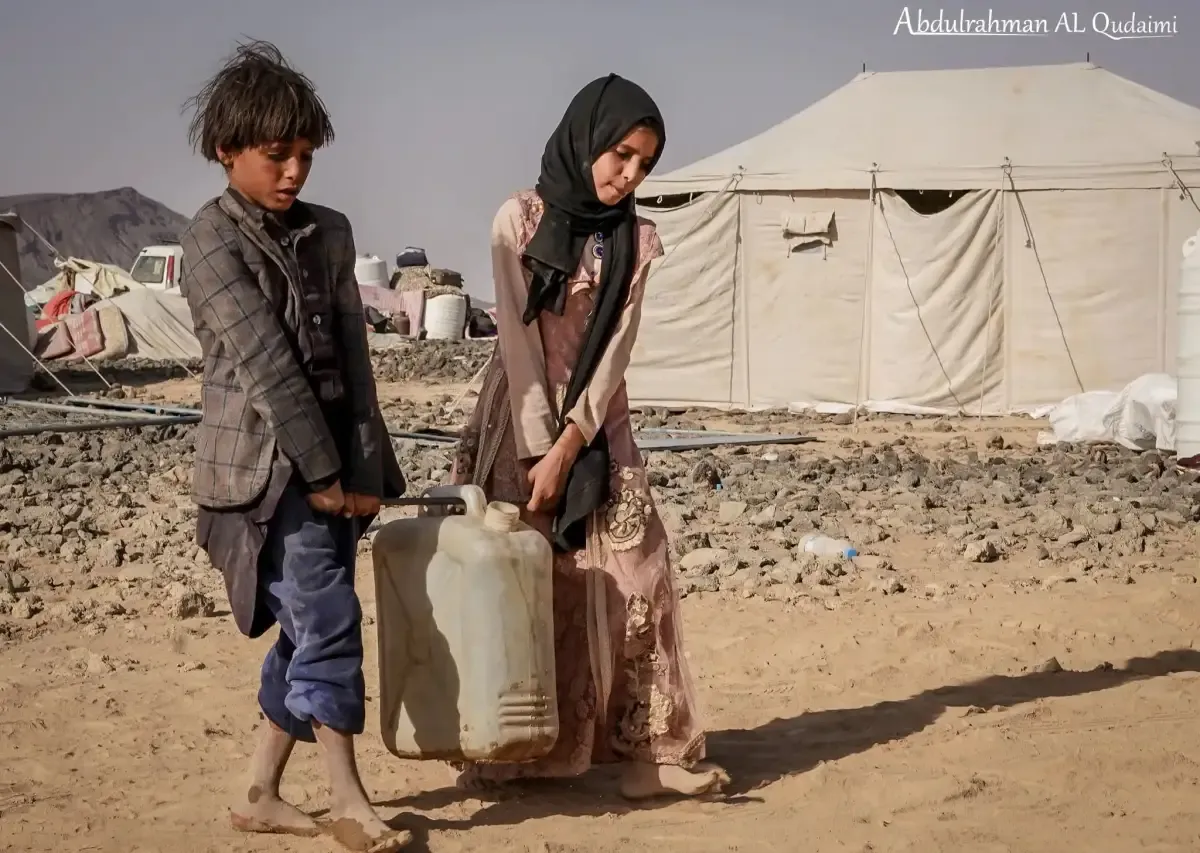
Over the past years, crises have accumulated to a degree that the Yemeni citizen lives through multiple wars simultaneously: a war on the ground, another against poverty, currency devaluation, and rising prices, and a third against the interruption of electricity, scarcity of water, fuel, and gas, in addition to the decline in job opportunities and the widening scope of humanitarian needs. Therefore, the most urgent question today is no longer just: When will the war end? But rather: How can Yemen emerge from the system of crises that the war has produced, even after the guns fall silent?
The danger of the Yemeni crisis lies in its confinement beyond the dispute over power; it has transformed into a crisis of the state, its institutions, resources, economy, and services. The continued political and military division has weakened the ability of public institutions to operate cohesively. Meanwhile, declining revenues and halted oil exports have narrowed the government's maneuverability and increased reliance on foreign aid to finance essential sectors. Consequently, public services have become one of the most visible manifestations of the conflict's impact on citizens. Electricity, water, transportation, fuel, health, and education are no longer separate service issues but daily indicators of the state's capacity to manage its areas of influence and maintain a minimum level of social stability. This highlights the Yemeni paradox: the longer the conflict persists, the more difficult it becomes to address its repercussions, and the more the state's capacity to provide services diminishes, the greater the social unrest, creating a more fragile environment for new conflicts.
The economy remains the most sensitive element in the Yemeni equation. The decline in currency value, rising prices, and reduced household purchasing power reflect not only a financial crisis but also deeper imbalances related to revenue sources, the division of economic institutions, disrupted productive activity, and declining investment. Furthermore, the continued reliance on imports to meet a significant portion of basic needs makes the Yemeni market highly susceptible to fluctuations in transportation, shipping, and energy prices, as well as regional developments. With every crisis in fuel, maritime transport, or exchange rates, the repercussions quickly transmit to the markets and then to the Yemeni household income. Therefore, any project to exit the predicament cannot begin with politics alone; it requires a simultaneous economic track to revitalize revenues, improve resource management, support the private sector, and create a more stable environment for investment and production.
In the governorates under the control of the internationally recognized Yemeni government, the capital, Aden, serves as a clear model of this complexity. The city, bearing significant political, economic, and administrative burdens, simultaneously faces increasing pressure on electricity, services, transportation, and markets. Electricity and gas crises, in particular, reveal that the service sector is no longer a secondary detail in the political landscape but has become part of the stability equation itself. When electricity is interrupted for long hours, transportation is disrupted due to gas shortages, or commodity prices rise, citizens do not view the crisis as a result of a distant political dispute but as a crisis directly impacting their daily lives. Hence, improving services in Aden and other cities represents not only an administrative duty but can also serve as an entry point for restoring trust in public institutions.
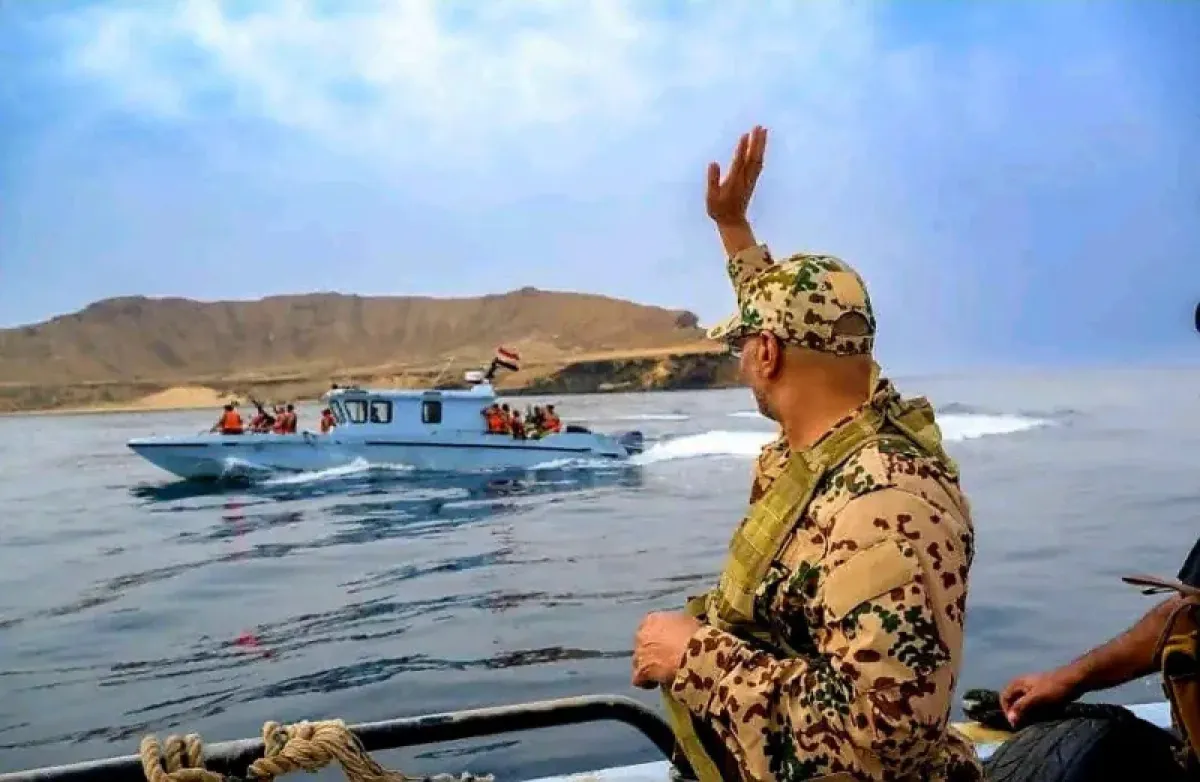
As Yemen grapples with its internal crises, security threats are no longer confined to traditional front lines. Attacks on navigation in the Red Sea and the Bab al-Mandab strait have added a new regional and international dimension to the Yemeni conflict, increasing the risks for trade and maritime transport. Thus, Yemen's strategic location—which should be a primary source of economic strength—becomes an additional source of risk during times of tension. However, this equation could be reversed if Yemen succeeds in restoring stability and building institutions capable of securing its ports and maritime passages. The location at Bab al-Mandab is not merely geography but an economic and strategic opportunity that could be part of a national recovery project.
Despite the grim outlook, the ongoing regional transformations may offer Yemen an opportunity that should not be missed. As regional and international powers increasingly seek more stable security and political arrangements, the need to address outstanding issues, foremost among them the Yemeni file, grows. However, capitalizing on this moment requires a more cohesive Yemeni stance and the ability to present a national vision that transcends crisis management to address its root causes. Yemen cannot perpetually await external decisions; it needs to build internal consensus on major issues: the form of the state, transitional arrangements, resource distribution, the future of military and security institutions, the Southern issue, and reconstruction. No sustainable Yemeni settlement can ignore the Southern issue or treat it as a secondary file. The South has political grievances and demands related to partnership, representation, resources, and the future form of the state. Any settlement that does not seriously address these matters will remain vulnerable to reproducing conflict. Conversely, transforming political differences into perpetual conflict will not benefit citizens in the South or North; it will deepen division, deplete resources, and delay state-building opportunities. Therefore, serious dialogue, political guarantees, genuine partnership, and an agreement on fair arrangements for power and wealth appear to be essential elements in any realistic approach to the future.
The core problem in Yemen is not the absence of initiatives but the lack of capacity to transform these initiatives into a sustainable path. Thus, exiting the predicament requires a shift from crisis management policies to solution-building policies. This begins with reviving state institutions and unifying economic and financial decision-making as much as possible, then improving basic services, combating corruption, enhancing transparency, creating an investment environment, and supporting productive sectors. Secondly, it requires a realistic political process that ends the war and addresses the roots of conflict, rather than settling for temporary, collapse-prone arrangements. Thirdly, it involves rebuilding trust between the citizen and the state, a task achievable not through rhetoric alone but through tangible results felt by citizens in their daily lives. Reconstruction is often viewed as a phase following the cessation of conflict, but Yemen needs to consider it from now. Rehabilitating ports, airports, roads, electricity and water networks, developing the health and education sectors, and revitalizing cities and economic zones can be part of peace-building itself. Providing employment opportunities for youth, reintegrating war-affected individuals into the economic cycle, and supporting small projects will be crucial factors in preventing political peace from becoming a mere temporary social truce. Peace that does not yield tangible benefits for citizens in their markets, homes, schools, and hospitals remains fragile.
Yemen stands today at a genuine crossroads. Accumulated crises are not an inevitable fate, but they cannot continue without a greater cost. Each year passing without radical treatment adds a new layer of economic, social, and political complexities. Nevertheless, Yemen's exceptional geographical location, natural resources, ports, youthful human capital, and a private sector capable of operation provide it with genuine recovery potential if the appropriate political and security environment is established. What is required is not a miracle but a clear political decision, more efficient institutional management, national consensus on priorities, and regional and international partnership to help Yemen regain its self-reliance. Ultimately, the true battle awaiting Yemen after years of war may not be the battle for territorial control, but the battle to restore the state, economy, trust, and hope. If Yemenis can transform the moment of regional shifts into an opportunity to build a comprehensive political and economic settlement, the country may begin a long journey toward recovery. If crises continue to revolve within the same cycle, Yemen may transform from a war-torn country into one exhausted by its repercussions, a more difficult and prolonged battle. Yemen has an opportunity, but it is not an open-ended one. Exiting the predicament begins when crisis management shifts from a temporary reaction to a national project for building the future.