Nearly half of the world's oil supply originates from countries experiencing conflict, a situation exacerbated by ongoing geopolitical tensions that have surpassed previous energy crises, according to Reuters calculations.
Six months into a major oil supply crisis triggered by U.S. and Israeli attacks on Iran, the global energy market faces significant and prolonged disruptions. The conflict in Iran, coupled with the protracted Russia-Ukraine war impacting production and refining in regions like Kazakhstan, has intensified supply strains. Additional pressures arise from persistent conflict in Libya and U.S. restrictions on Venezuelan oil exports implemented earlier in the year.
Based on 2025 output data from the International Energy Agency, nations embroiled in these conflicts collectively produced approximately 45 million barrels per day, representing over 43% of the global oil supply. These disruptions have consequently increased the world's dependence on U.S. oil production, although this supply has also faced intermittent challenges due to severe weather events.
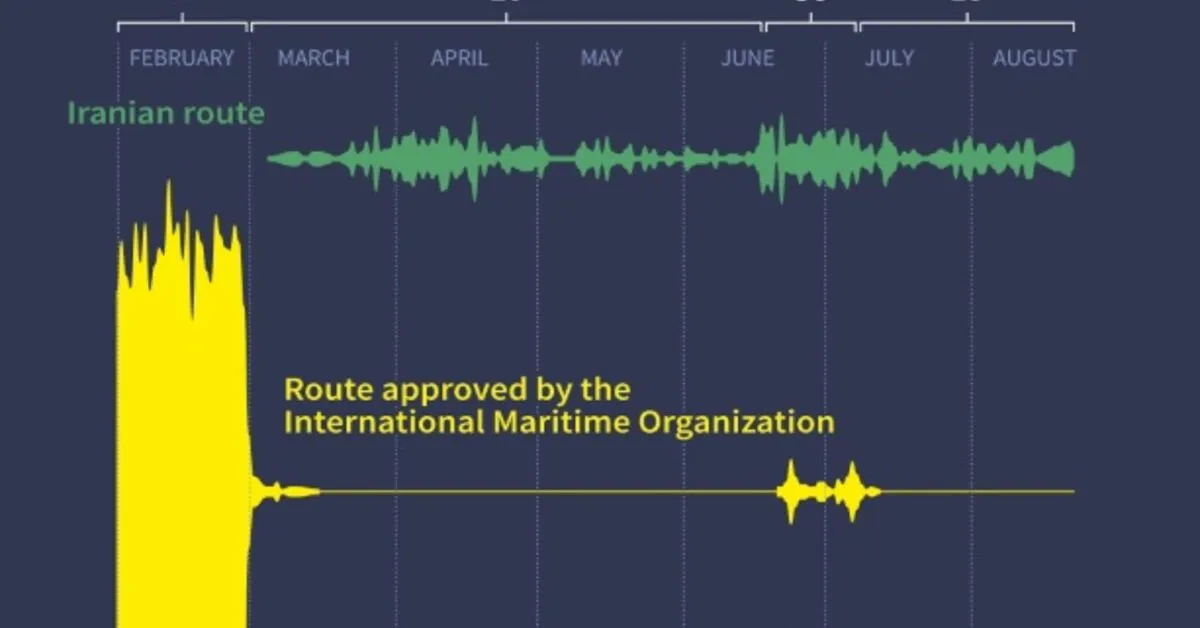
While not all disruptions occurred simultaneously, analysts estimate that current disruptions in the Persian Gulf region alone account for 5 million to 7 million barrels per day. This includes Saudi Arabia rerouting oil through the Red Sea and other Gulf exporters discreetly navigating traffic through the Strait of Hormuz. The vulnerability of these routes was underscored by attacks in the Red Sea and near Egypt's Suez Canal in July.
The conflicts in the Persian Gulf and Ukraine have also led to a substantial reduction in global refining capacity, estimated at around 10%. Ukraine's targeted strikes have significantly impacted Russia's refining network, reaching plants as far as Omsk. This has resulted in fuel shortages within Russia and a ban on gasoline and diesel exports, further tightening international fuel markets.
The elevated fuel prices resulting from these supply constraints are a major contributor to global inflation, influencing higher borrowing costs and pushing U.S. national debt to a record $40 trillion. Despite refiners operating at maximum capacity, U.S. diesel prices have reached unprecedented levels. The International Energy Agency has deployed record volumes from emergency stockpiles to mitigate the supply shock; however, these releases are nearing completion as global inventories continue to dwindle.