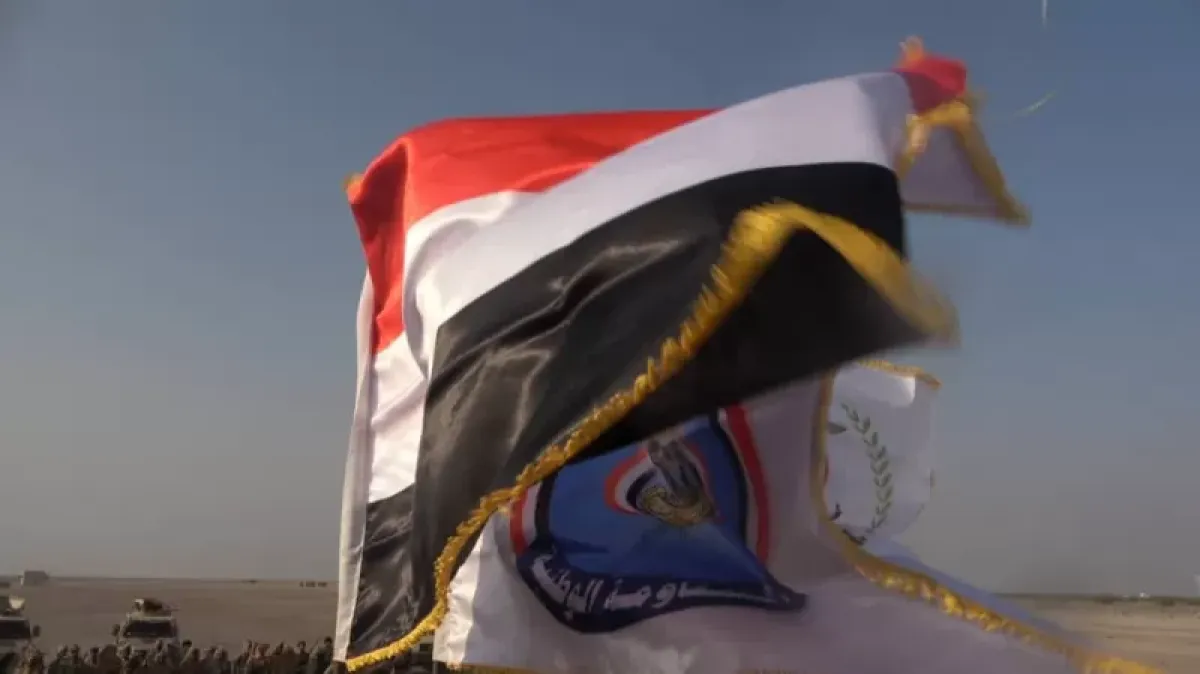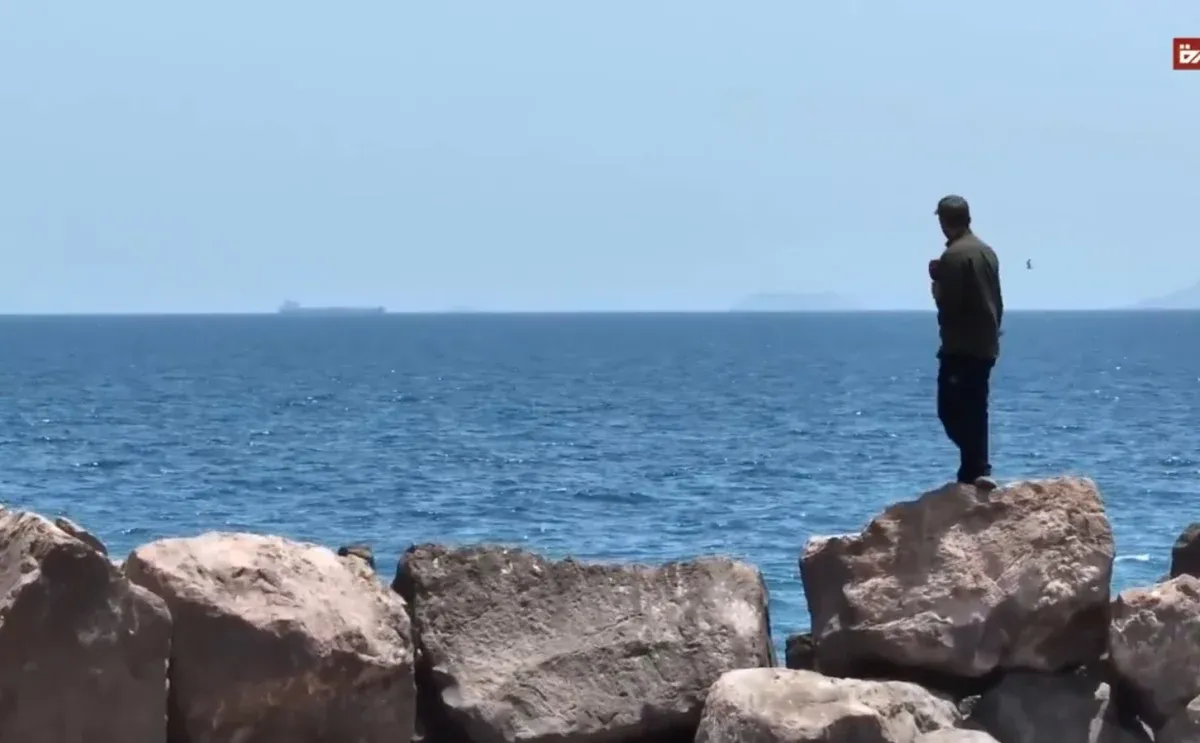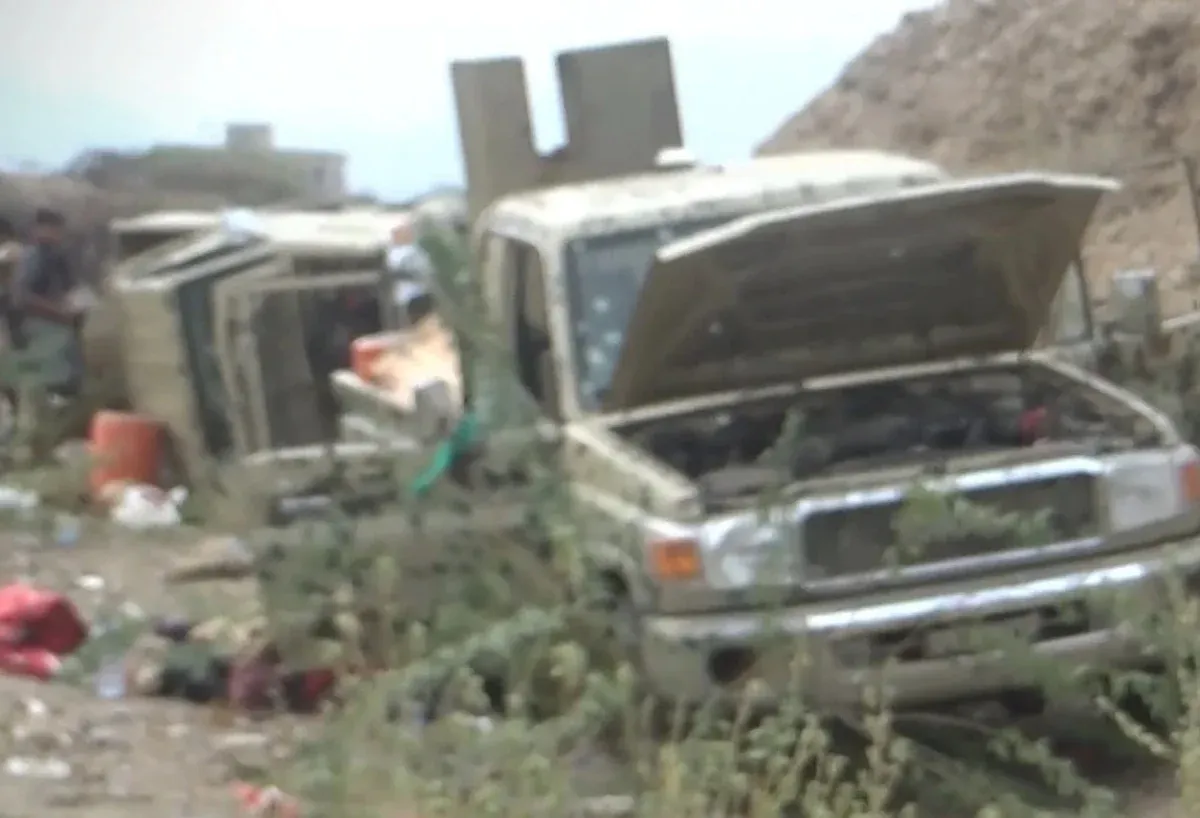
Recent field developments on the Western Coast reveal the scale of battles fought by National Resistance forces against successive waves of attacks by Iran-backed Houthi militias. These assaults, employing rockets, drones, and naval offensives, aimed to advance on multiple fronts. Over the past two weeks, defending forces on the Western Coast have sustained significant casualties in intense and multi-phased confrontations, including losses among field commanders, officers, and soldiers. This escalation by the Houthis targeted positions, supply lines, and populated areas in a bid to achieve a breakthrough and alter control of the coast. The recent events prompt a re-examination of the nature of the Western Coast conflict, questioning whether these clashes are merely a military round in the broader Yemeni war or linked to wider regional calculations concerning the strategic importance of the coast and Bab al-Mandeb Strait to Iranian and Houthi strategy.
Kamal Al-Khoudani, a leader in the political office and National Resistance, stated that recent battles have resulted in considerable sacrifices for the National Resistance, including the deaths of military and field commanders, such as a division commander, a brigade commander, and several battalion leaders, along with other wounded commanders and a large number of soldiers. These remarks come amid rising criticism and accusations leveled against the forces defending the coast following recent developments. Al-Khoudani argued that the extent of losses sustained by the forces and field leadership should be considered when evaluating the events on the ground, rather than reducing the situation to political or military accusations against the fighters and commanders.
The narrative suggests that the confrontations were not limited or fleeting but widespread, forcing the defending forces into continuous battles under pressure from repeated attacks on multiple axes. Information circulating about the battles indicates that the Houthi militia relied on successive, multi-wave attacks during the recent escalation, coupled with the use of missiles, drones, and naval attack methods to disrupt defense lines and deplete forces along the coast's fronts. The city of Mokha and its surroundings also endured repeated shelling during this period, as the militia sought to leverage military pressure to alter the map of deployment and control. Observers suggest this pattern of escalation reflects a Houthi shift towards a strategy of attrition through sustained pressure, rather than a single decisive offensive, particularly on a strategically vital front like the Western Coast.
In the context of the post-event debate, Kamal Al-Khoudani asserted that the blood of commanders and soldiers fallen in battle serves as a response to accusations of "betrayal" or the surrendering of positions to the Houthis. He pointed out that discussing the battle without considering the human cost or the sustained military pressure on fighting units reduces the situation to a political narrative that may not accurately reflect the reality on the ground. These statements place the assessment of forces' and commanders' performance under scrutiny, necessitating a distinction between legitimate military critique and accusations requiring evidence, especially given the sensitive and complex political and military dimensions of the conflict.
Writer and journalist Sayaf Al-Gharbani presented an analysis linking the escalation on the Western Coast to Iran's regional calculations, considering Bab al-Mandeb an important strategic card for Tehran amidst regional transformations. He highlighted that the significance of the Western Coast extends beyond Yemeni geography to encompass the location of Bab al-Mandeb and international shipping lanes, making control of areas near the strait a valuable objective for the Iranian project in the region. Meanwhile, Brigadier General Mohammed Abdullah Al-Qamim, in a military assessment of the battles' repercussions, urged the National Resistance leadership to view the current phase as an opportunity for restructuring forces and preserving remaining human and military strength. He called for enhanced leadership presence on the field, reorganized units, and improved coordination among anti-Houthi military formations, including the National Resistance, Giants Brigades, Shield of the Nation, and Tihamah Forces, to prevent organizational rifts from becoming vulnerabilities exploited by the militia. He also stressed the importance of not viewing any field retreat as the end of the battle, considering the preservation and rebuilding of forces' combat capabilities as a priority.
Journalist Yasser Al-Yafei noted a significant gap between the media narrative surrounding the battles and the actual developments on the ground. He observed that the situation began with media fanfare and political and tribal mobilization around certain fronts, before escalating into a more perilous phase where anti-Houthi forces paid a heavy price in the lives of their leaders and soldiers. Al-Yafei added that the media discourse later shifted to discussions of "entering Sanaa," portraying developments on some fronts as precursors to a decisive victory, while the Houthi militia, according to him, was mobilizing towards Mokha and pressuring other fronts. He questioned the effectiveness of celebrating media victories when Mokha was under shelling and Bab al-Mandeb faced increasing risks, suggesting a misreading of priorities and the utility of creating media successes detached from battlefield realities. Al-Yafei attributed the current situation not solely to conspiracies or placing blame on one party, but to accumulated errors leading to the current cost, emphasizing the need for a comprehensive review of policies and decisions. He further suggested that past campaigns targeting the UAE's role and its supported forces were part of broader internal conflicts within the anti-Houthi camp, with groups like the Brotherhood making the expulsion of the UAE and the weakening of its affiliated forces a political and media objective, even if it weakened forces fighting the Houthis. He concluded that the recent developments necessitate a review of events since the early years of the war, rather than merely exchanging accusations after each field setback, warning that weakening effective military forces against the Houthis could have consequences beyond the current conflict. He stressed that continued internal strife within the anti-Houthi camp benefits the militia, underscoring that the priority should be preserving and reorganizing existing forces and unifying military command, rather than depleting them in internal political and media conflicts.