Saudi Arabia is confronting a critical juncture, grappling with escalating regional tensions and a perceived lack of decisive support from the United States in its ongoing confrontation with Iran. The kingdom's leadership is reportedly reassessing its strategic options as its ability to respond to threats diminishes.
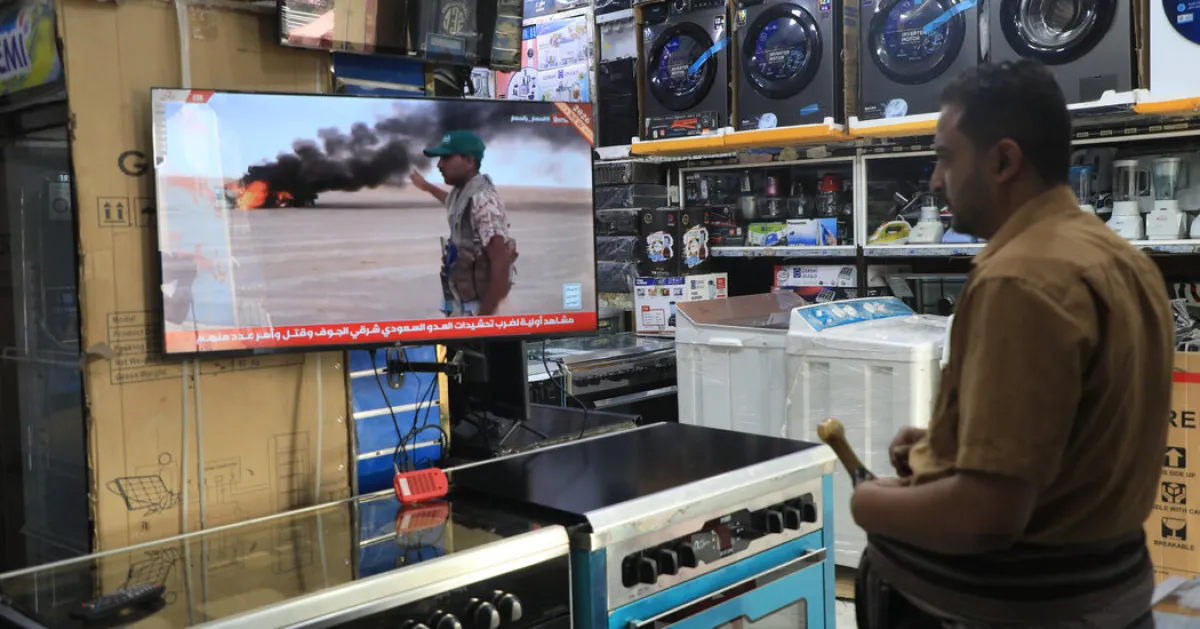
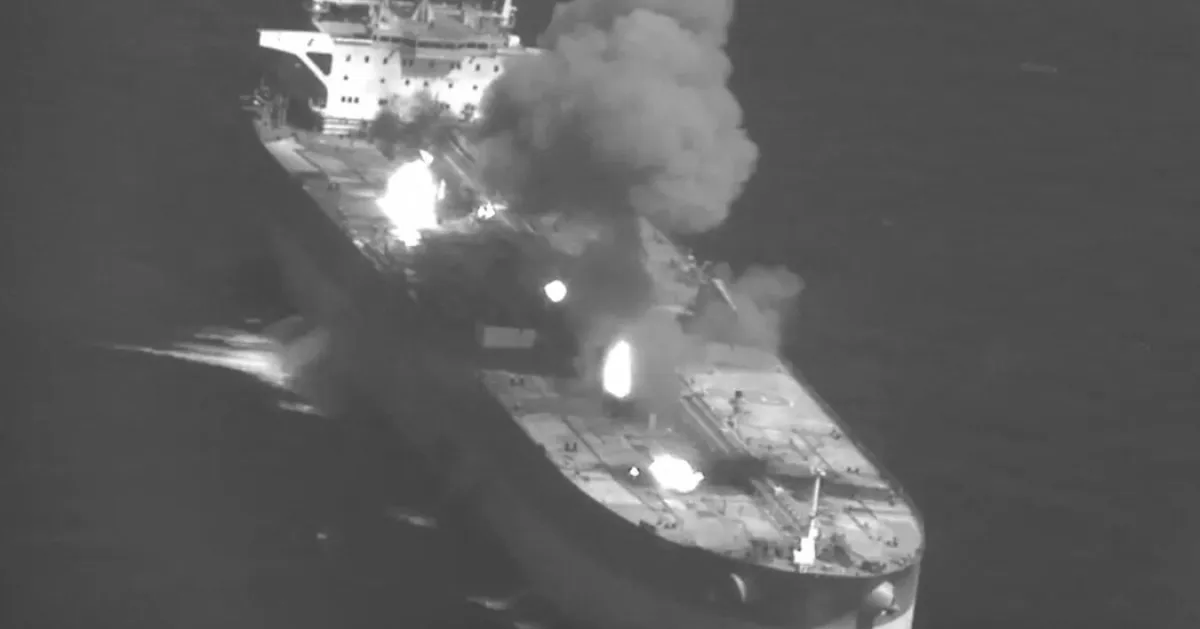
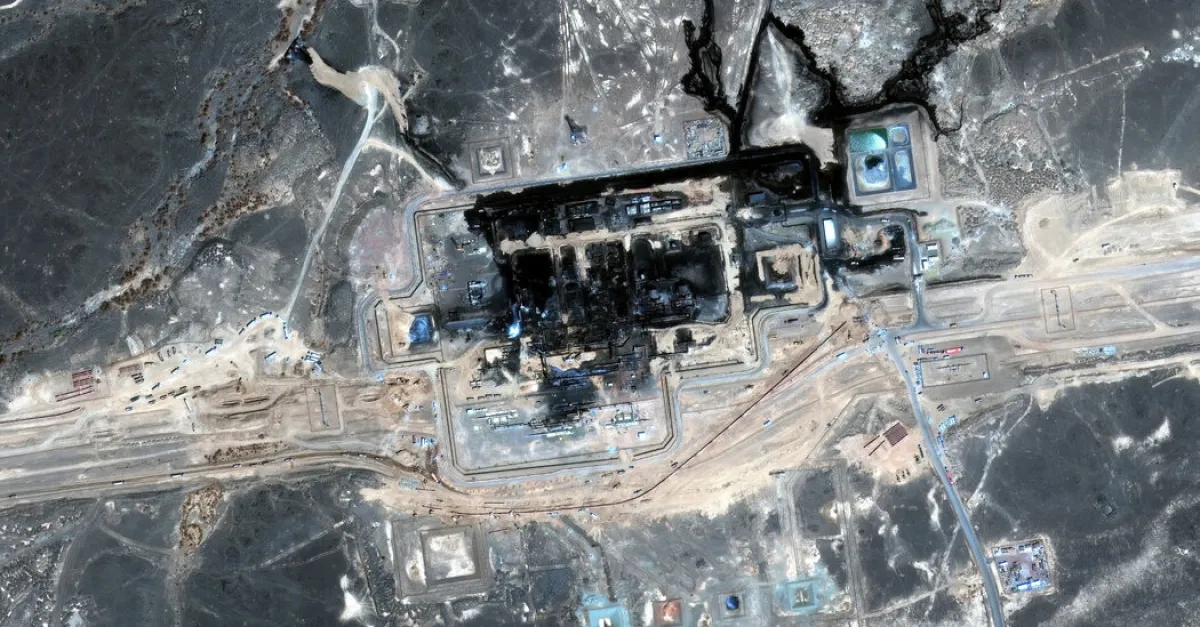
Recent weeks have seen a significant increase in attacks by the Iran-aligned Houthi militia in Yemen, which have targeted Saudi infrastructure vital for oil exports. These actions pose a considerable threat to the global economy and have placed immense pressure on the kingdom. However, former diplomats and analysts indicate that Saudi Arabia is experiencing frustration and disappointment due to President Trump's apparent reluctance to directly confront the Houthis.
Concurrently, Saudi Arabia's diplomatic initiatives aimed at engaging with Iran have yielded limited success. A planned meeting involving officials from Iran, Saudi Arabia, and other Gulf nations, scheduled for Monday, was abruptly postponed on Sunday night, signaling the persistent and significant divergence in their respective stances.
"Right now the Saudis are really frustrated," stated Michael Ratney, a former U.S. ambassador to Saudi Arabia. "In some sense it’s their worst-case scenario." The Saudi government's Center for International Communication did not immediately respond to requests for comment.
The kingdom's challenging predicament highlights the substantial repercussions of the U.S.-Iranian conflict on Middle Eastern nations, including those whose leadership has either opposed the war or consistently sought its de-escalation.