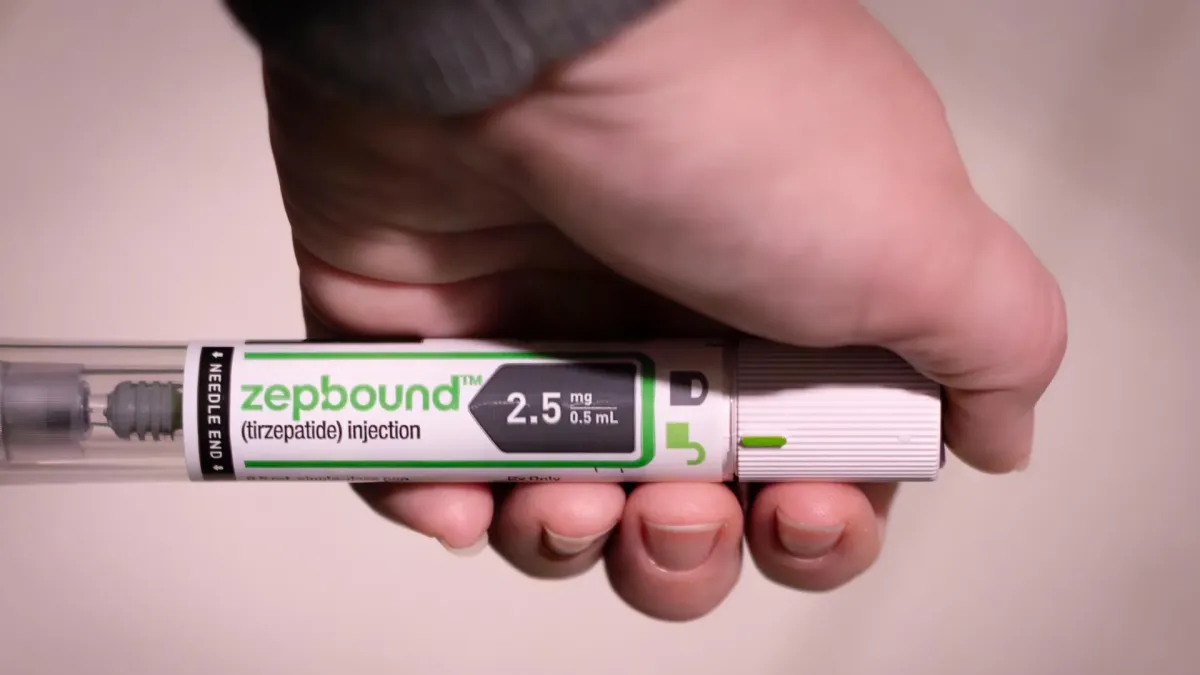
New research suggests that popular weight-loss drugs like Zepbound and Mounjaro might rev up your body's calorie-burning furnace by activating brown fat. While these medications are already a big deal for tackling obesity and diabetes, scientists are still uncovering all the ways they work. This latest study in mice offers a fascinating glimpse into how tirzepatide, the generic name for these drugs, could be boosting metabolism by waking up brown adipose tissue, a special type of fat that uses energy.
Tirzepatide, known by its brand names Zepbound and Mounjaro, is approved for adults struggling with obesity or excess weight who also have related health issues, as well as for managing type 2 diabetes. What makes it stand out is its dual action: it targets two crucial hormone receptors, GIP and GLP-1. This approach not only helps significantly with weight loss, largely by curbing appetite, but researchers are now digging into whether it also triggers metabolic changes independent of just eating less.
To explore this, a team led by Marion Peyrou at the University of Barcelona studied obese mice fed a high-fat diet and treated with tirzepatide. By carefully controlling food intake, they could isolate the drug's direct effects from those caused by simply consuming fewer calories. The analysis revealed that tirzepatide activated brown adipose tissue. Unlike white fat, which mainly stores energy, brown fat actively burns calories to generate heat.
"This activation is associated with an increased capacity to burn metabolic energy and with the production of batokines by brown adipose tissue, molecules that are beneficial for metabolism," explained Peyrou. This finding hints that tirzepatide's benefits might go beyond suppressing appetite. Active brown fat burns glucose and fat, potentially contributing to not just weight reduction but also lower blood sugar and fat levels, and an overall metabolic improvement.
Activating brown fat has long been a target for obesity treatments, but previous attempts using other drugs often came with unpleasant side effects, particularly for the heart. Encouragingly, tirzepatide, while activating brown fat, appears to have cardiovascular benefits. If these findings hold true in humans, it could pave the way for obesity therapies that focus on both reducing food intake and increasing energy expenditure through brown fat activation.
The researchers emphasize that while these results are promising, they are based on mouse studies. Significant differences exist between mice and humans in metabolism and drug responses. "As this is a study conducted on mice, we must be cautious, as there may be significant differences between species in terms of metabolism regulation, adipose tissue distribution and response to drugs. Therefore, we need more clinical evidence on the action of these drugs on fat in humans," concluded Peyrou.