The United States has rejected an Iranian proposal aimed at reopening the Strait of Hormuz and ceasing regional hostilities. This decision introduces further complexity into the ongoing negotiations between Washington and Tehran.
President Donald Trump stated on Saturday that Iran's immediate desire to reopen the strait stems from significant financial losses it is incurring. He confirmed his rejection of the proposal, which Tehran conveyed through Qatari intermediaries during United Nations General Assembly meetings in New York.
The Iranian proposal outlined a seven-day countdown for the reopening of the Strait of Hormuz and the cessation of combat operations in the region, including Lebanon, according to Iranian Foreign Minister Abbas Araghchi. Araghchi specified that the plan is contingent upon the lifting of the U.S. blockade on Iranian ports, the release of frozen Iranian assets, and the removal of sanctions on oil exports, to be followed by broader discussions on mutually agreed-upon issues.
Araghchi indicated that all preparations are in place to reopen the strait, provided Washington demonstrates seriousness in reaching an agreement. Iranian President Masoud Pezeshkian affirmed that the proposal was developed in coordination with Supreme Leader Mujtaba Khamenei and that Tehran is prepared to implement it if the United States agrees and adheres to the terms.
Tehran also announced the formation of a six-member team, comprising representatives from the military, parliament, government, and other entities, with the authority to discuss and decide on the issues at hand. The U.S. rejection followed a report by The Wall Street Journal suggesting that Trump doubts Iran's willingness to fulfill its demands. Conversely, Reuters quoted a U.S. official who described the indirect discussions through intermediaries as "positive and constructive."
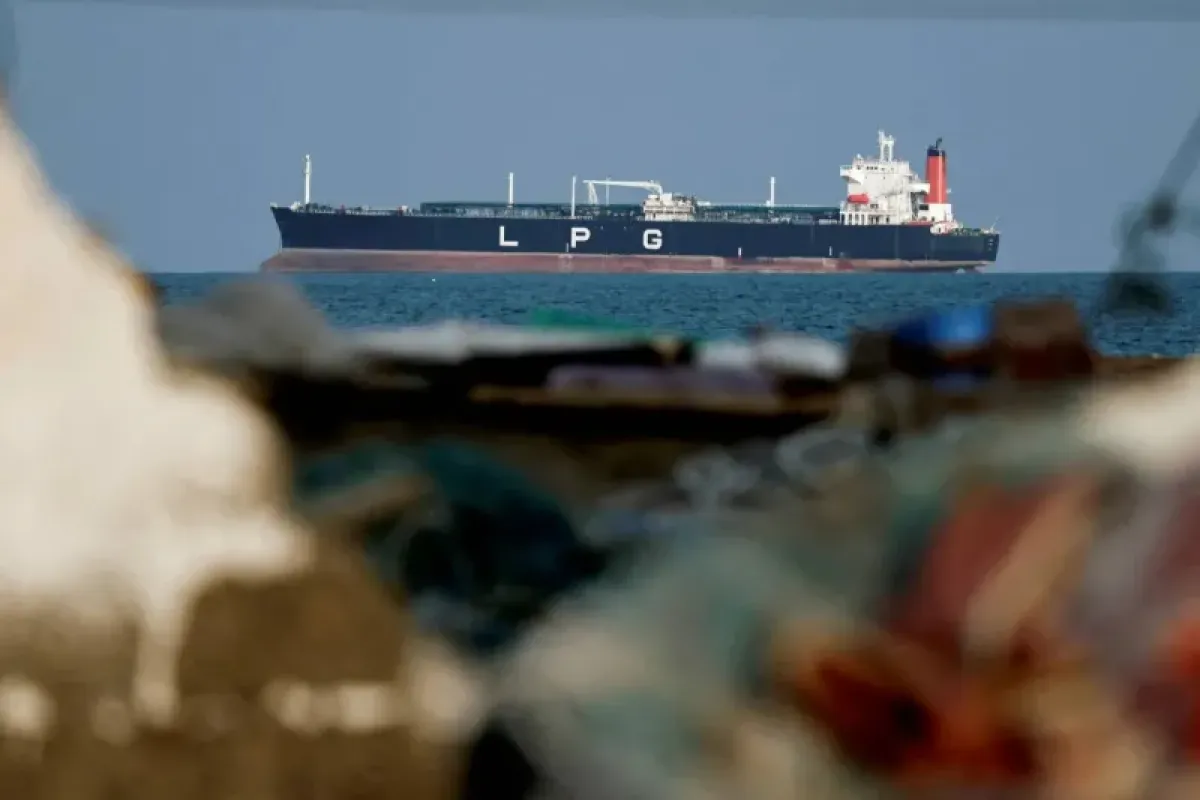
The Strait of Hormuz is a critical chokepoint for global oil trade. The ongoing conflict has disrupted energy flows and navigation, making any agreement on its reopening directly impactful on energy markets and the global economy.