Iran has reiterated its commitment to a diplomatic resolution of its dispute with the United States and Israel, following U.S. President Donald Trump's rejection of a proposal aimed at reopening the Strait of Hormuz and ceasing hostilities.
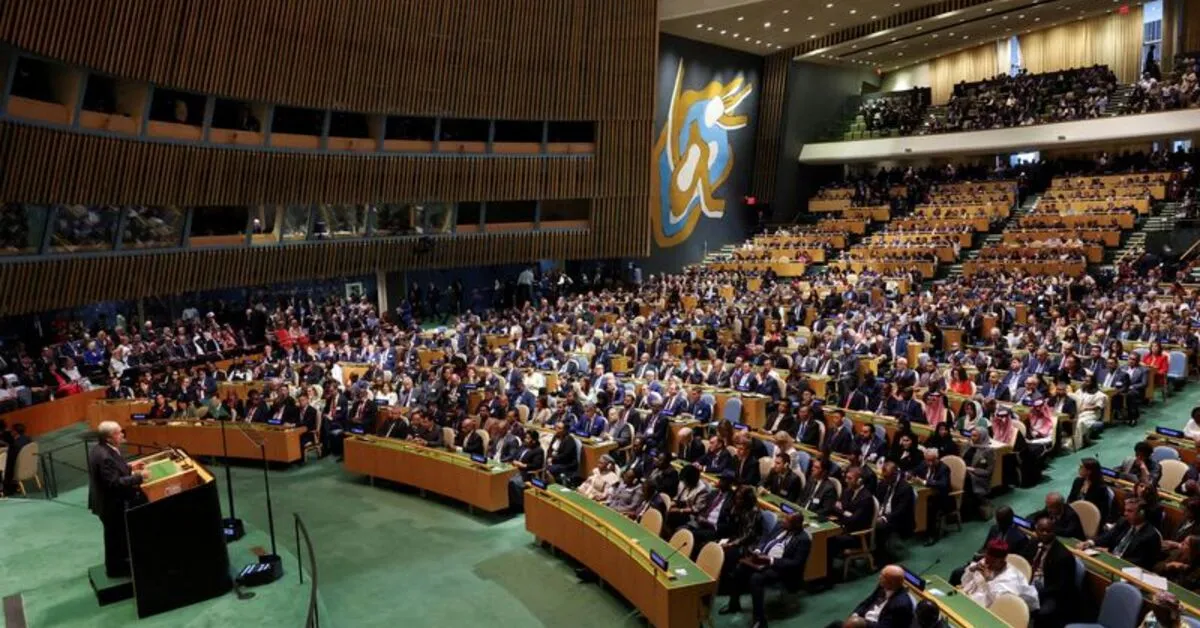
Iranian Foreign Minister Abbas Araqchi stated on social media that the conditions for reopening the Strait of Hormuz are clearly defined and contingent upon their fulfillment. He emphasized that only a negotiated solution can resolve the current impasse. Iran had presented a peace proposal earlier in the week at the United Nations General Assembly, which it claimed was transmitted to American officials via Qatari intermediaries.
President Trump, however, publicly dismissed the plan, suggesting that desperation was motivating Iran's efforts to secure an agreement regarding the crucial waterway. He asserted that Iran's desire to reopen the Strait of Hormuz stemmed from significant losses. Despite these public pronouncements, mediators involved in U.S.-Iran discussions indicated that no official rejection of the plan had been formally conveyed to Tehran, according to Araqchi.
The United States has implemented economic sanctions against Iran, aiming to compel Tehran to halt attacks on vessels in the Strait of Hormuz. These actions have severely impacted shipping through the region, even as President Trump has repeatedly affirmed U.S. control over the vital passage. Reports from The Wall Street Journal, citing unnamed U.S. officials, suggested that President Trump privately harbored skepticism about Iran's willingness to meet U.S. demands and had indicated a likelihood of renewed bombing campaigns post-U.S. midterm elections.
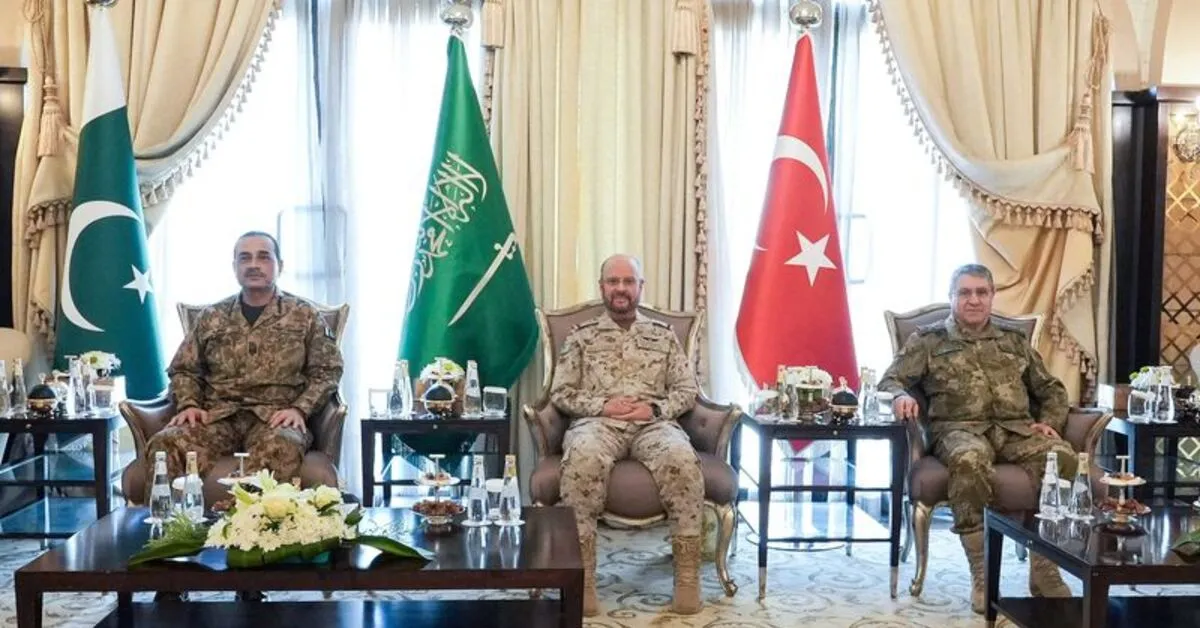
The conflict's disruption of oil flows through this critical shipping lane has had a considerable impact on the global economy. Iranian officials had engaged with Saudi counterparts regarding the Strait of Hormuz, highlighting the escalating stakes of the ongoing dispute. Araqchi had previously informed reporters that the proposed deal would initiate a seven-day timeline for reopening the strait and a cessation of regional fighting, suggesting that preparations were in place should the U.S. demonstrate seriousness.
Iranian President Masoud Pezeshkian, in a separate interview, conveyed Tehran's readiness for talks on its nuclear program and other matters, but stressed an unwillingness to accept "bullying or coercion." He affirmed Iran's non-pursuit of war while asserting its right to self-defense and confirming that Iran does not intend to develop nuclear weapons. Previous diplomatic efforts have failed to resolve the conflict, which began with U.S. and Israeli attacks and has resulted in thousands of casualties, degraded Iran's conventional forces, and damaged its economy, while Iran and its allies have retaliated regionally.