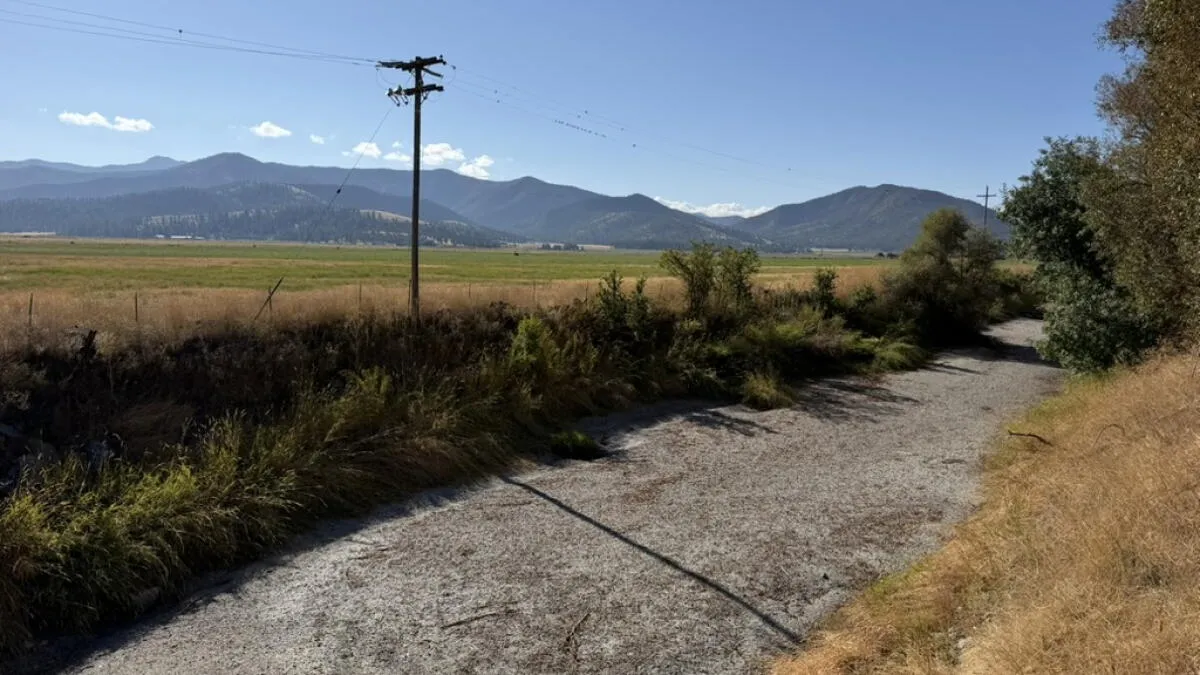
Environmental advocates are criticizing state regulators for failing to adequately protect the Scott River, a vital salmon habitat in Northern California, which has experienced significant drying this year, leading to accusations that the State Water Resources Control Board has not done enough to manage water withdrawals.
The Scott River, crucial for salmon that migrate upstream to spawn, has seen portions turn into dry sand and gravel as farmers continue to irrigate fields using wells and pumps. Critics, including Regina Chichizola of Communities United for Water Protection, argue that the state should have enforced more stringent reductions in groundwater pumping to preserve river flow.
Farmers, however, contend that drought and exceptionally low snowpack are the primary culprits. This year, the region received minimal snow, with the snowpack measuring only 1% of average by May 1. State officials acknowledge that the severe lack of snowpack significantly impacted river levels, suggesting that even without substantial water diversions, the river could have dried up.
The situation reflects a long-standing conflict between agricultural needs and the preservation of salmon populations, particularly concerning the interplay between surface water diversions and groundwater pumping, which affects the river's water table. Despite emergency regulations and extended regulatory powers granted to the state board in recent years, parts of the river have repeatedly dried up, even after water use limits were imposed.
In response to the current conditions, the state water board ordered farms to cease surface water diversions from the Scott River in June and limited groundwater pumping by requesting voluntary reduction plans. However, environmental groups and the Quartz Valley Indian Reservation maintain these measures are insufficient, calling for a permanent management program to ensure minimum river flows and protect the salmon nursery. They emphasize the river's critical role in the health of salmon populations and the well-being of local tribes.
Farmers propose alternative solutions, such as forest management to reduce water absorption by vegetation and improved water storage methods, arguing that increased curtailment of agricultural water use alone will not guarantee river flow in years of extreme drought and low snowpack. State officials are pursuing broader initiatives, including the recent demolition of four dams on the nearby Klamath River, which has shown positive results for salmon recovery.