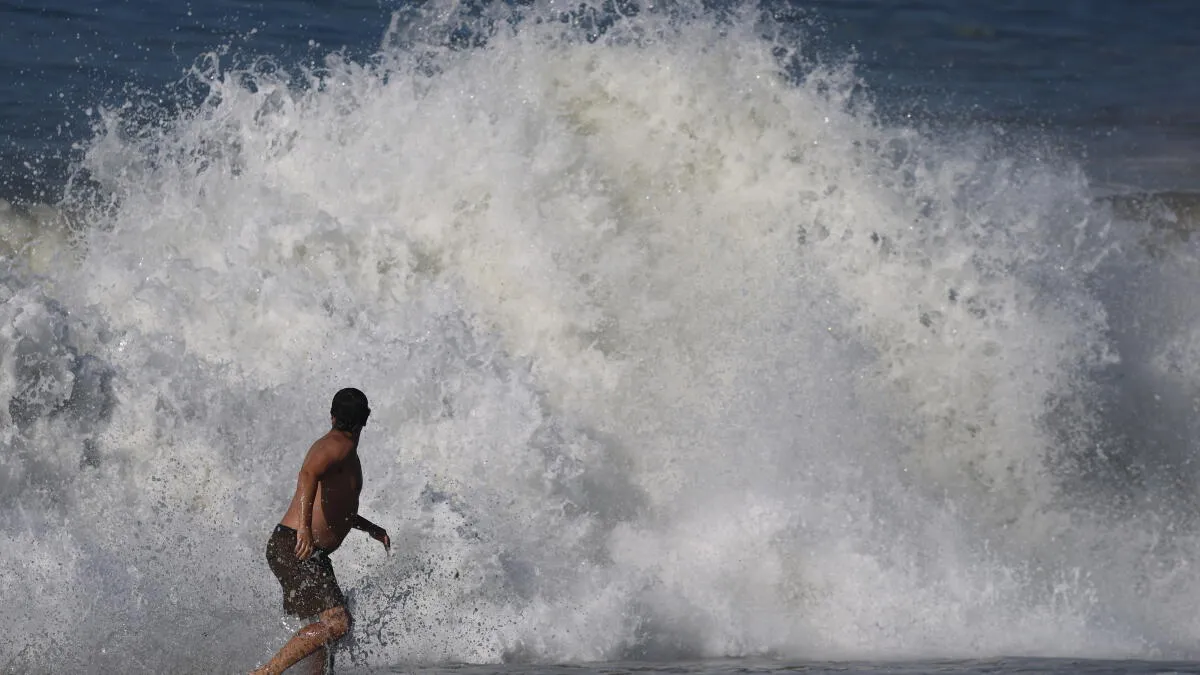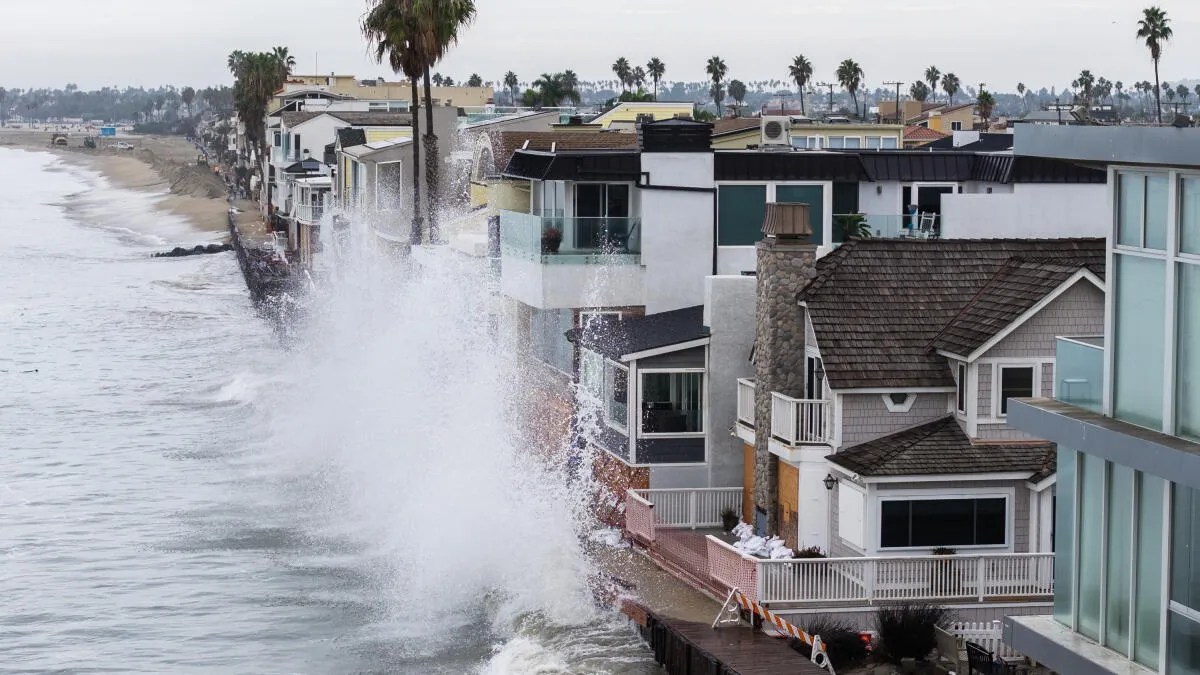
Southern California experienced significant coastal flooding this week, impacting homes and roads from Newport Beach to Long Beach, due to a rare confluence of environmental factors. This event serves as a stark indicator of the challenges the region may face, particularly in light of predictions for a potentially "super" El Niño winter.
The severe flooding resulted from an extraordinary combination of events, including the approaching Tropical Storm Rachel, exceptionally high tides, a record-warm ocean, and El Niño-fueled waves. Geologists emphasize that this convergence can overwhelm coastal defenses, with future implications for the region.
Scientists noted that the combination of high tides, a Kelvin wave, and hurricane-generated waves, occurring over an extended period, is unprecedented. This situation is expected to become more frequent in the coming years, exacerbated by a prolonged El Niño season and the potential for a series of winter storms and king tides during the holiday season.
The current flooding is attributed not only to swells from Tropical Storm Rachel, which has since been downgraded from a hurricane, but also to the recent arrival of an El Niño-driven Kelvin wave. This wave, moving slowly up the coast from Peru, can elevate background sea levels by several inches and warm ocean waters, further increasing sea levels due to thermal expansion. This Kelvin wave is anticipated to maintain elevated sea levels for months, and another is already being monitored as it approaches the coast.
The current event offers potential insights into future coastal conditions. Experts suggest that while not guaranteed, similar events may become more common this winter. Looking ahead, continued sea-level rise is expected to intensify such flooding events in the coming decades. The highest high tides of the year, occurring around the summer and winter solstices, are projected to coincide with strong winter storms, increasing the likelihood of erosion, flooding, and damage.
This convergence of factors is occurring near peaks in tidal cycles that happen roughly every 18.6 and 4.4 years, amplifying the impact of the high tides expected around the holidays. El Niño, characterized by unusual warmth in the equatorial Pacific, typically leads to increased precipitation in Southern California. Historically, strong El Niño events have been associated with significant damage to the Southern California coast, including flooding of streets and damage to piers.