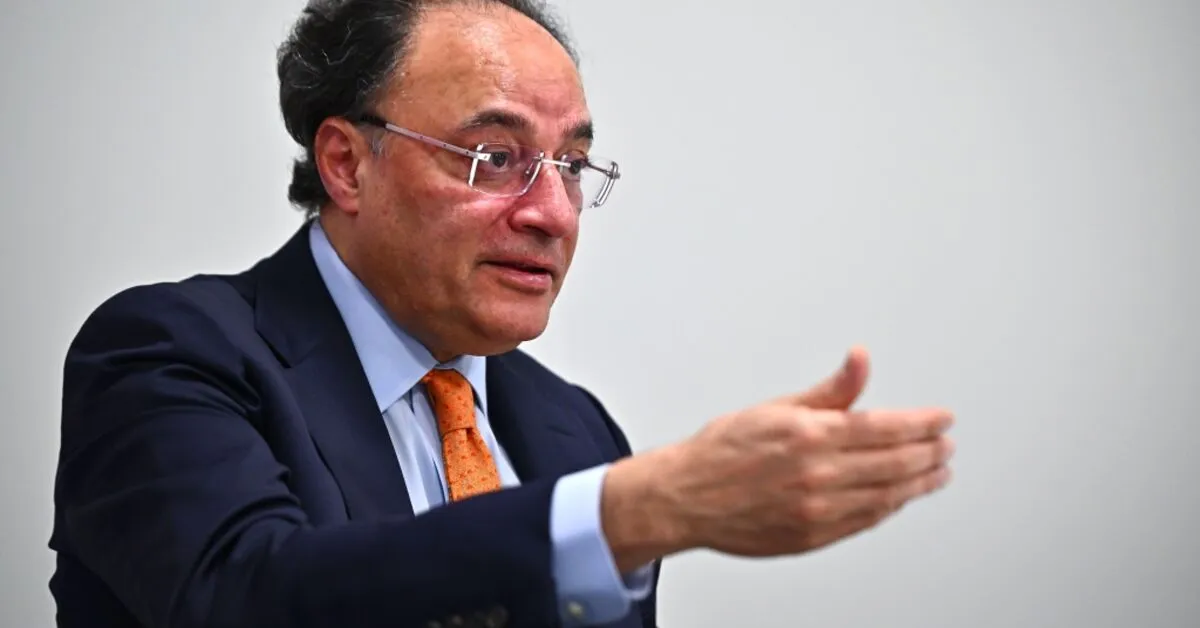
Pakistan's finance minister has expressed concern over escalating attacks on energy infrastructure in Saudi Arabia and other Gulf nations, warning of a negative impact on the country's longer-term economic outlook, despite Pakistan having successfully navigated the initial shock of soaring energy prices.
Speaking on the sidelines of the IMF-World Bank Annual Meetings in Bangkok, Muhammad Aurangzeb stated that Pakistan has secured sufficient energy supplies through November and is now focusing on planning for the winter months. He indicated that the nation had managed the immediate consequences of price hikes effectively, avoiding shortages, fuel queues, and public disorder, which have been observed in other countries.
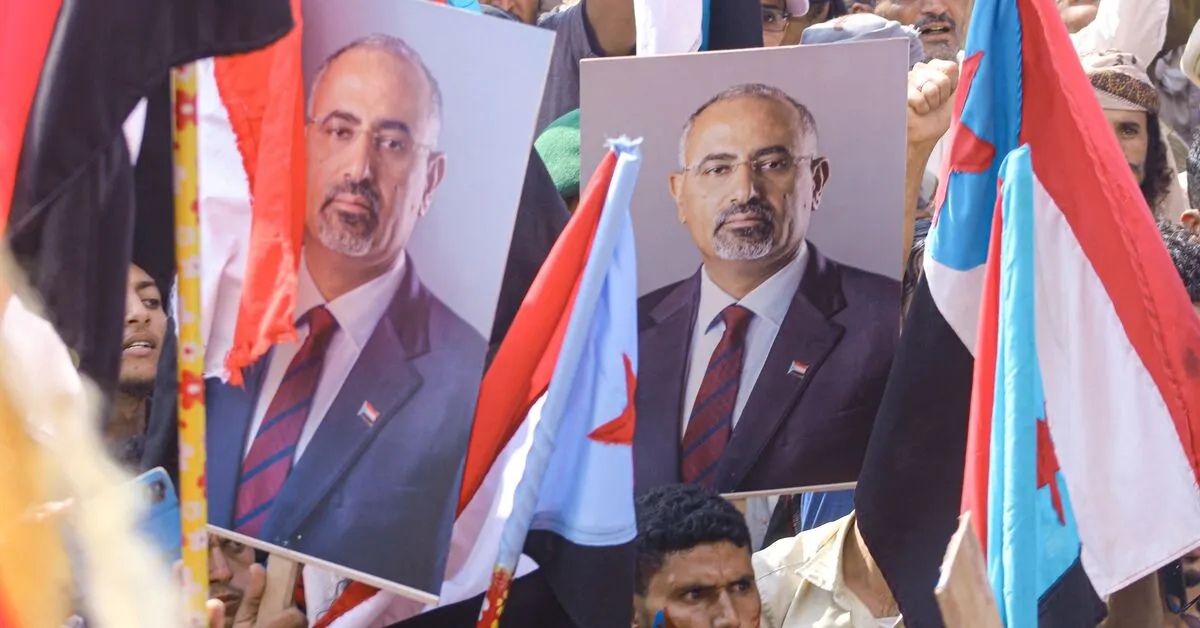
Aurangzeb added that the government would avoid procuring expensive spot cargoes of Liquefied Natural Gas (LNG) unless absolutely necessary, preferring to rely on pre-existing contracted shipments. The ongoing conflict, which began in February with attacks by the United States and its allies against Iran, has led to a surge in global energy prices as Tehran's retaliatory actions have targeted Washington's Gulf allies, disrupting oil and gas supplies. The resurgence of the civil war in Yemen has also seen Houthi forces repeatedly target Saudi energy facilities and airports.
The finance minister highlighted the damage to energy infrastructure as a particularly worrying development that could delay economic recovery. "What is now the worrying part of it is when the energy infrastructure starts getting hit," he remarked. "I, to be very honest, I don't know where that would go. But one thing is very clear: that if the infrastructure continues to get hit, the return to normalcy, even if things subside, will take longer."
Regarding Pakistan's fiscal situation, Aurangzeb noted that the country has been pursuing fiscal consolidation and has seen significant growth in tax revenues. He indicated efforts to combat tax evasion by private sector businesses that collect sales tax but fail to remit it to the government, a practice accounting for billions of dollars. He also acknowledged the need for improvement in income tax collection, attributing resistance to reforms to industry lobbying and vested interests.
Addressing the privatization of state-owned assets, a key component of the IMF program, Aurangzeb denied that military-run commercial enterprises were receiving state funding. He asserted that these businesses operate independently and profitably. Pakistan's military, which has historically held significant power, continues to maintain a strong presence in various business sectors, even under nominal civilian rule.