International Monetary Fund (IMF) member countries have called for enhanced financial support for nations grappling with short-term funding difficulties exacerbated by the repercussions of ongoing conflicts and elevated energy prices. The committee also acknowledged the dual nature of advanced intelligence technologies, noting their potential benefits alongside associated risks, and reiterated that economic outlooks remain predominantly negative.
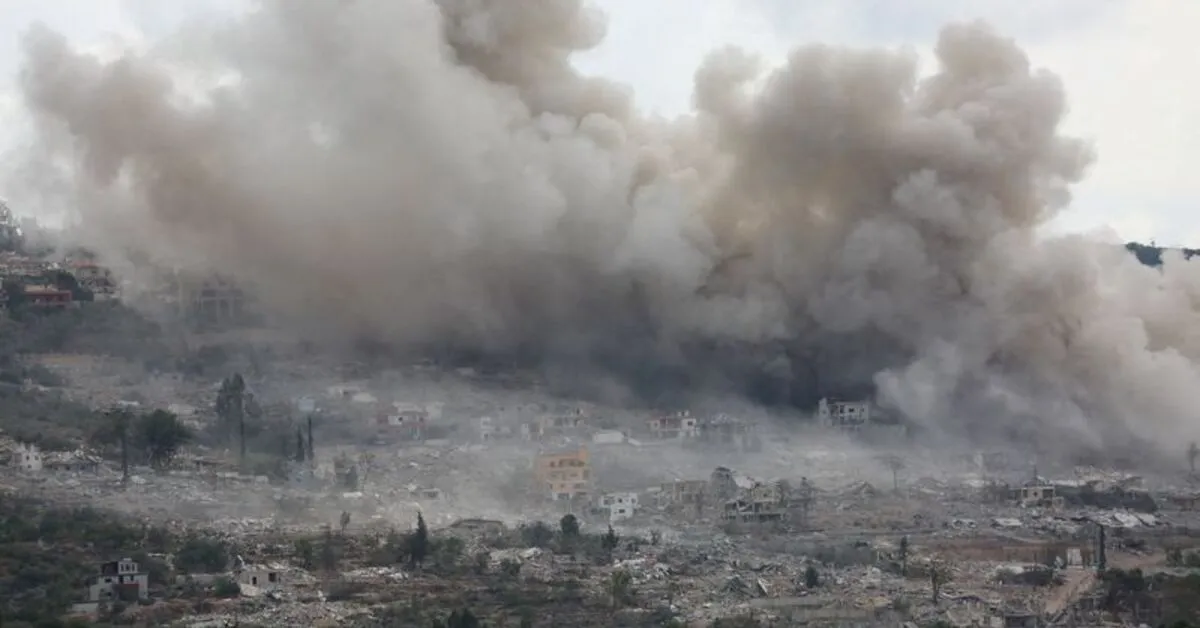
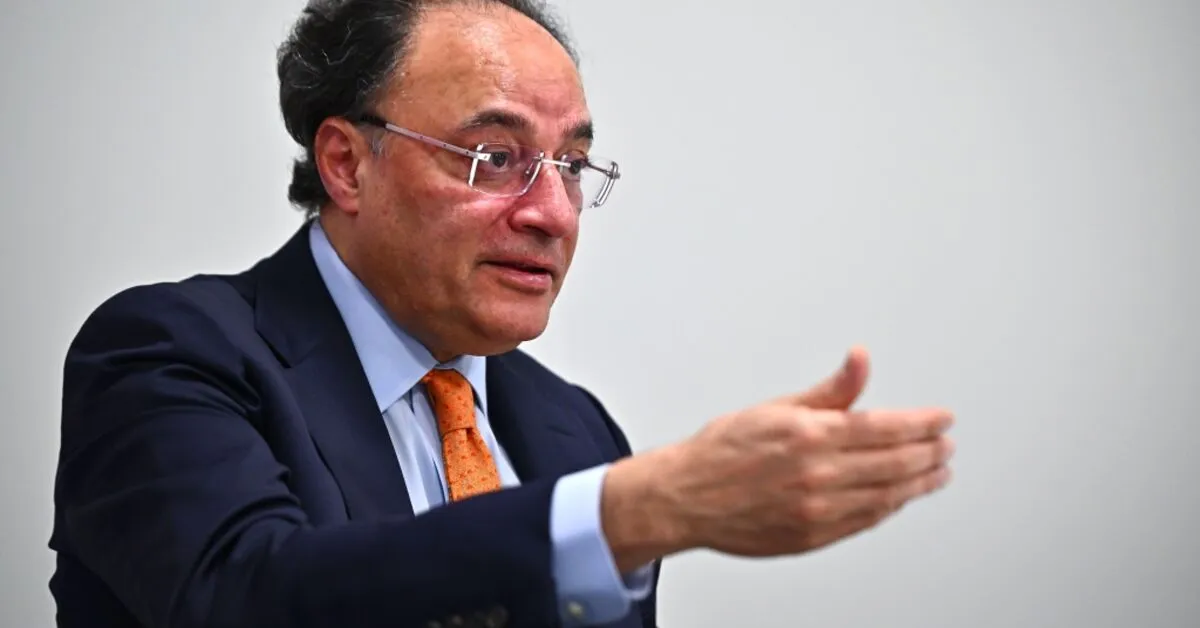
The statement, issued by Saudi Finance Minister Mohammed Al-Jadaan, who chairs the International Monetary and Financial Committee (IMFC), highlighted concerns that escalating global conflicts and trade tensions could lead to further disruptions of vital trade routes, intensify commodity price pressures, including those for refined energy products, and worsen energy and food security worldwide.
The IMFC, serving as the primary steering committee for the 191-member IMF, reached a consensus on the language of its statement. Earlier discussions reportedly involved proposals, such as the United States advocating for the term "super intelligence" instead of artificial intelligence, a suggestion that did not appear in the final document.
The committee's statement specifically addressed the uncertain ramifications of "advanced intelligence technologies" and the impact of rising bond yields in major economies, which can affect highly indebted nations. These factors, it warned, have the potential to amplify macro-financial vulnerabilities. The statement also identified rapid technological change, demographic shifts, increasingly frequent extreme weather events, and geoeconomic fragmentation as compounding challenges for policymakers.
Member economies affirmed their commitment to supporting countries implementing reforms and addressing debt vulnerabilities. Particular attention is to be given to low-income countries, vulnerable middle-income nations, and states affected by conflict. The committee encouraged increased support for countries with sustainable debt and robust reform agendas, particularly those facing temporary financing challenges. Several members conveyed their assurances of support for the IMF's Poverty Reduction and Growth Trust, which aids developing countries.